Short hair can still give you plenty of choice. A soft crew cut grows out differently from a skin fade, and a forward fringe asks for a different morning routine than a lifted quiff. Those small differences matter more than the haircut’s name.
These 15 styles give you a reference for your next appointment. Look at the sides as well as the top, then tell your barber how much styling and maintenance you want between visits.
1. The Classic Crew Cut

A crew cut leaves a little more length at the front while keeping the sides tidy. Ask your barber how much you need on top for your hair to lie naturally. Try the front with your fingers before leaving the chair. A soft taper lets the edges grow out gradually.
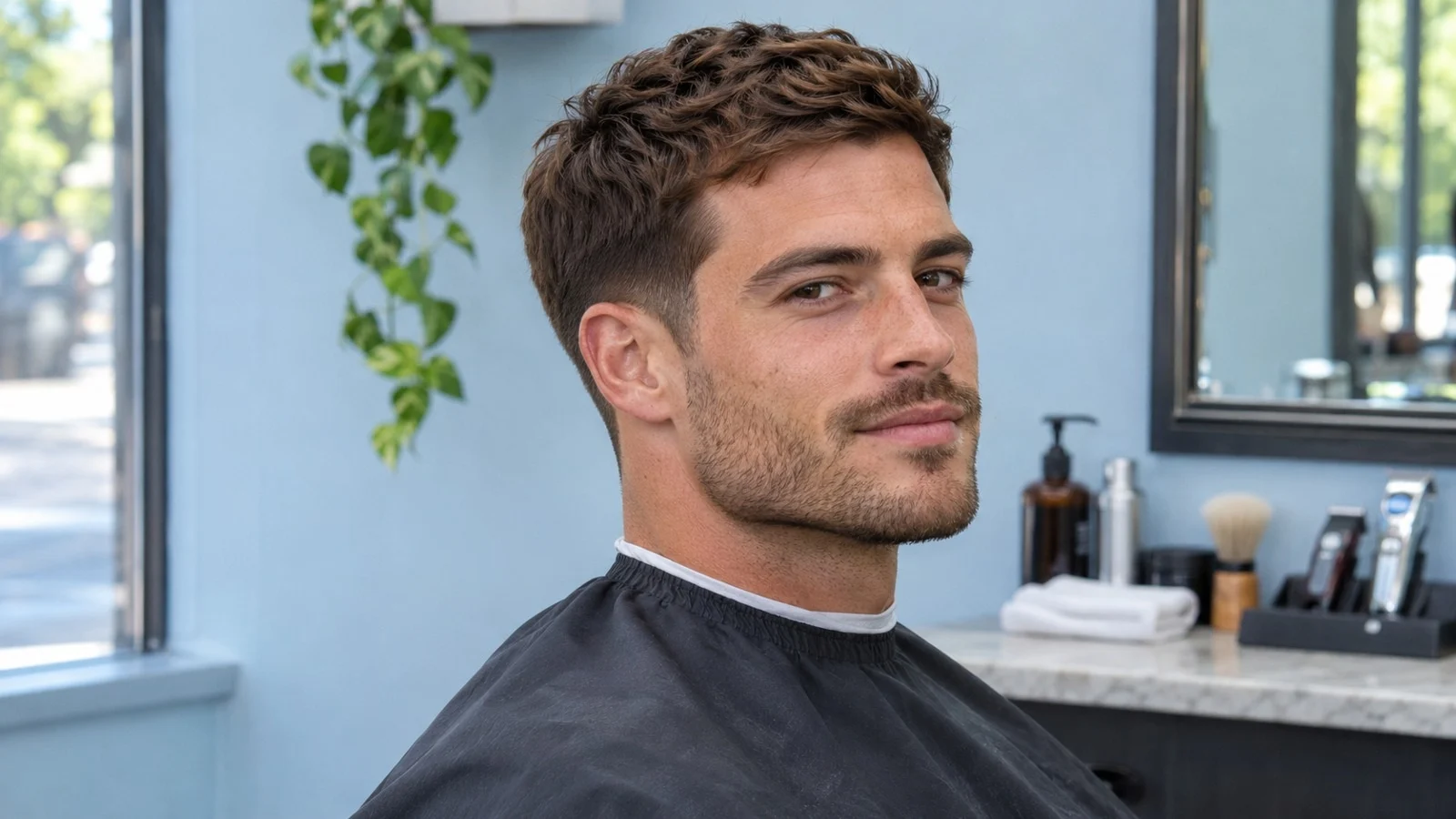
2. Textured Crop With a Low Fade

A textured crop combines a forward-moving top with a low fade around the ears. Ask for enough length to separate a few pieces without leaving the fringe in your eyes. The fade can be subtle or closer, depending on how often you want it refreshed. Start with a small amount of matte styling product.
3. Buzz Cut With a Taper

For a first buzz cut, begin with a longer guard and go shorter only after you’ve seen the shape. A taper at the edges gives the cut a little definition. Show your barber any cowlicks before cutting. Ask how the chosen length is likely to sit as it grows.
4. The Polished Ivy League
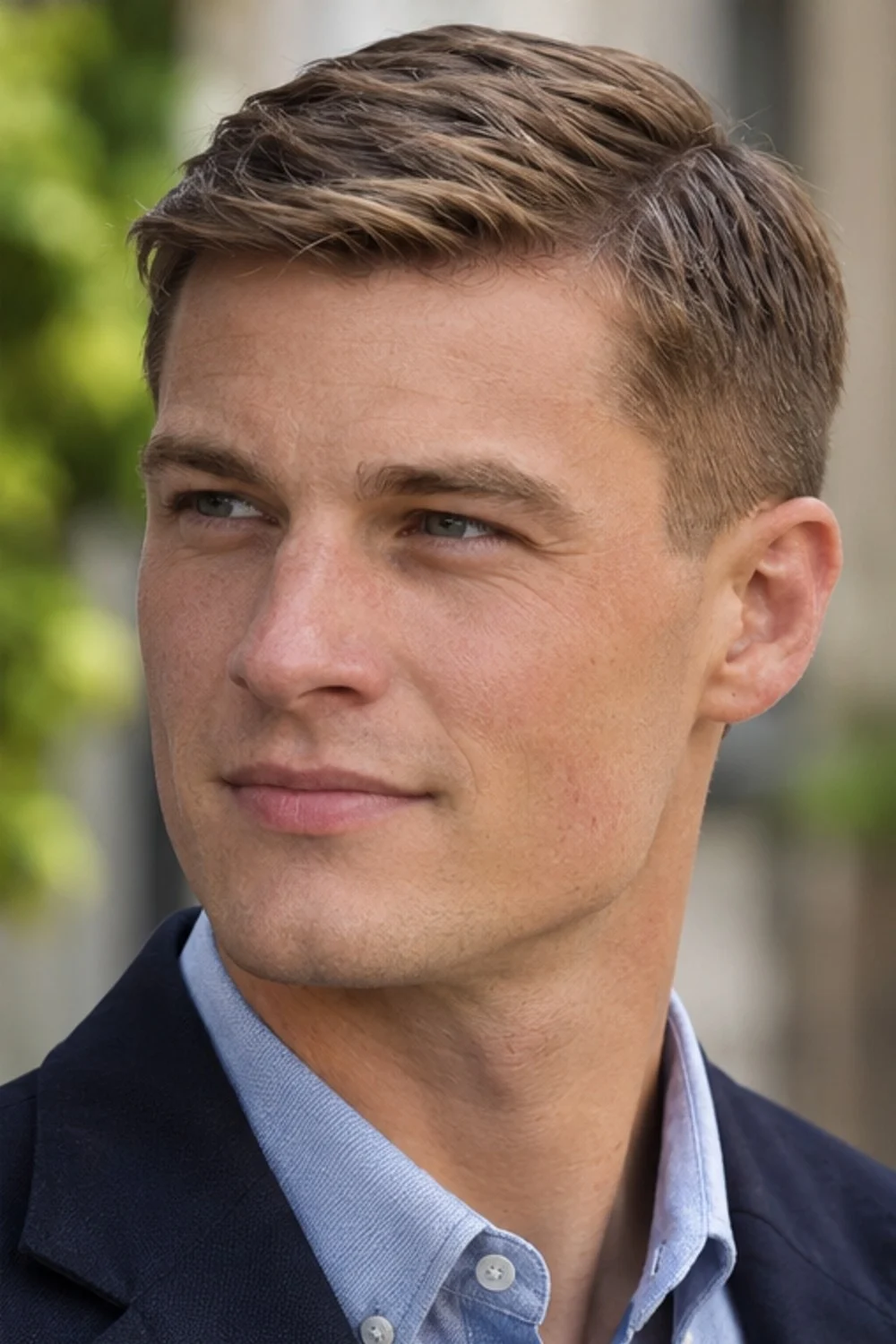
An Ivy League keeps enough hair at the front for a modest side sweep. It works well if you like a short cut that you can dress up for work. Follow your natural part and ask for smoothly blended sides. A quick comb through damp hair may be all you need.
5. Short Side Part With a Classic Taper
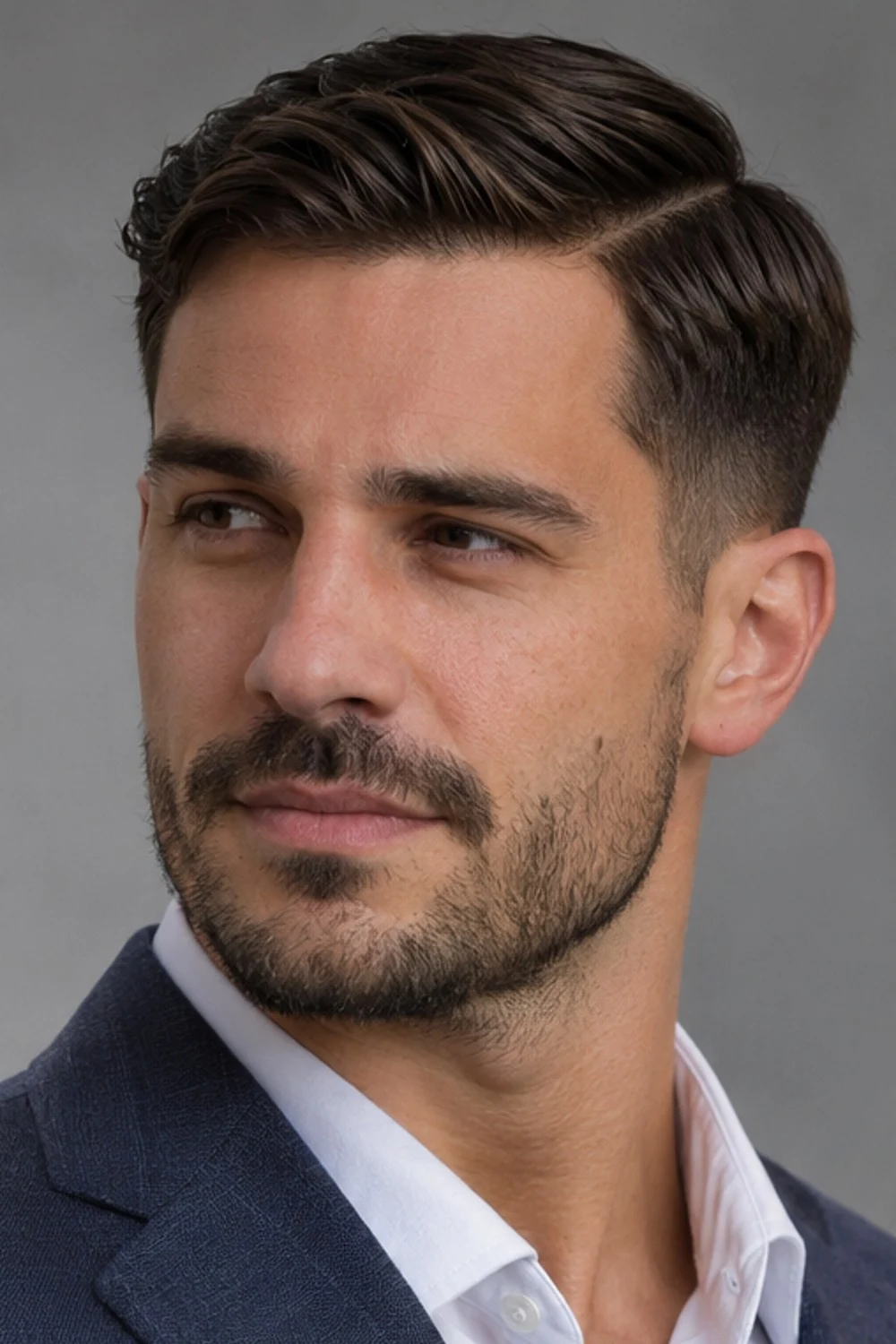
Find the part your hair settles into before asking for the cut. A classic taper keeps the edges neat while leaving some fullness above the ears. Try the part with your usual styling product so you can judge the finish. A softer line gives you room to change the sweep.
6. The Clean High-and-Tight
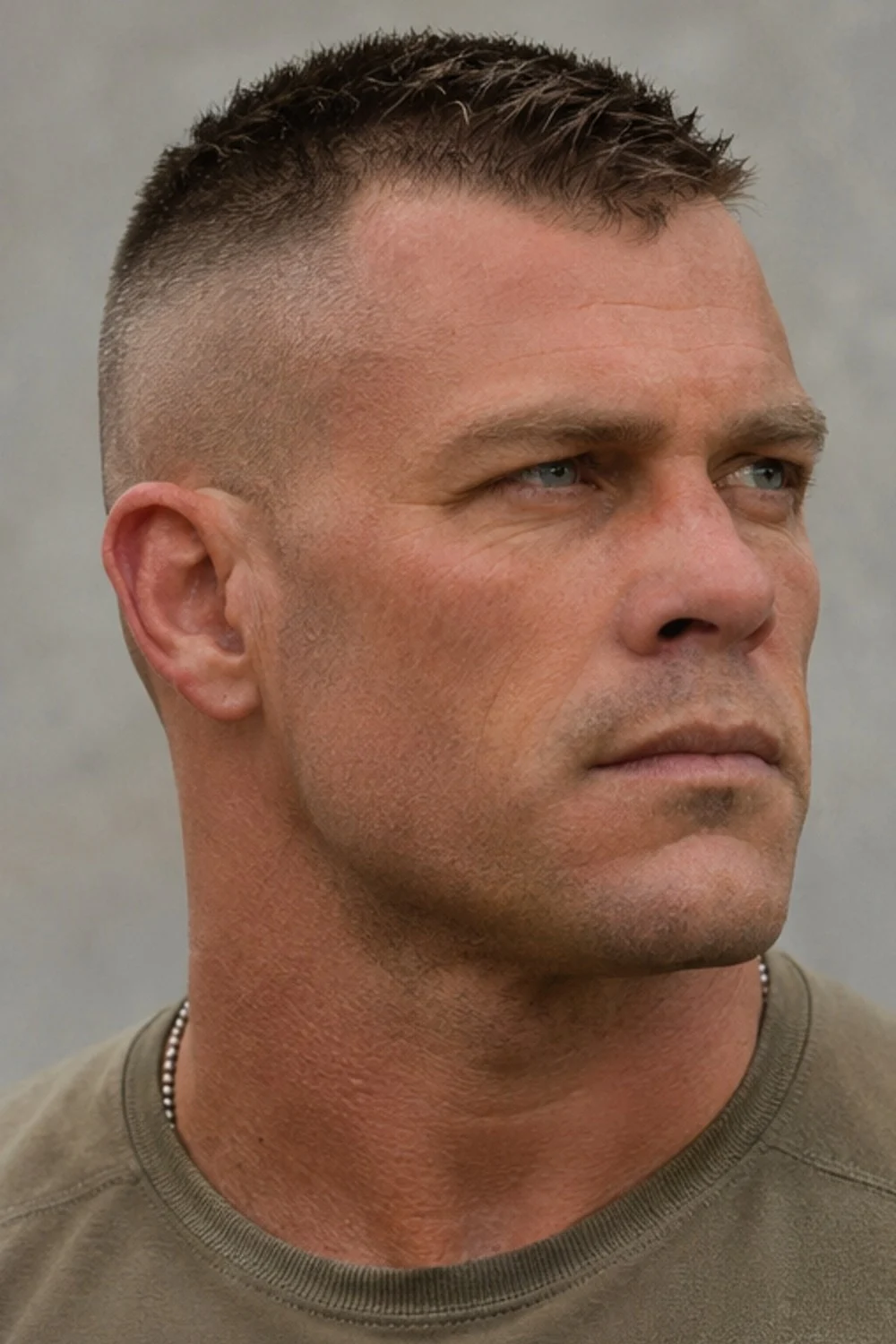
The high-and-tight leaves very short sides beneath a compact section on top. Bring a reference showing how high you want the transition, since that changes the whole outline. Ask about upkeep before choosing a particularly close finish. The contrast is a large part of this cut’s character.
7. A Modern Caesar Cut
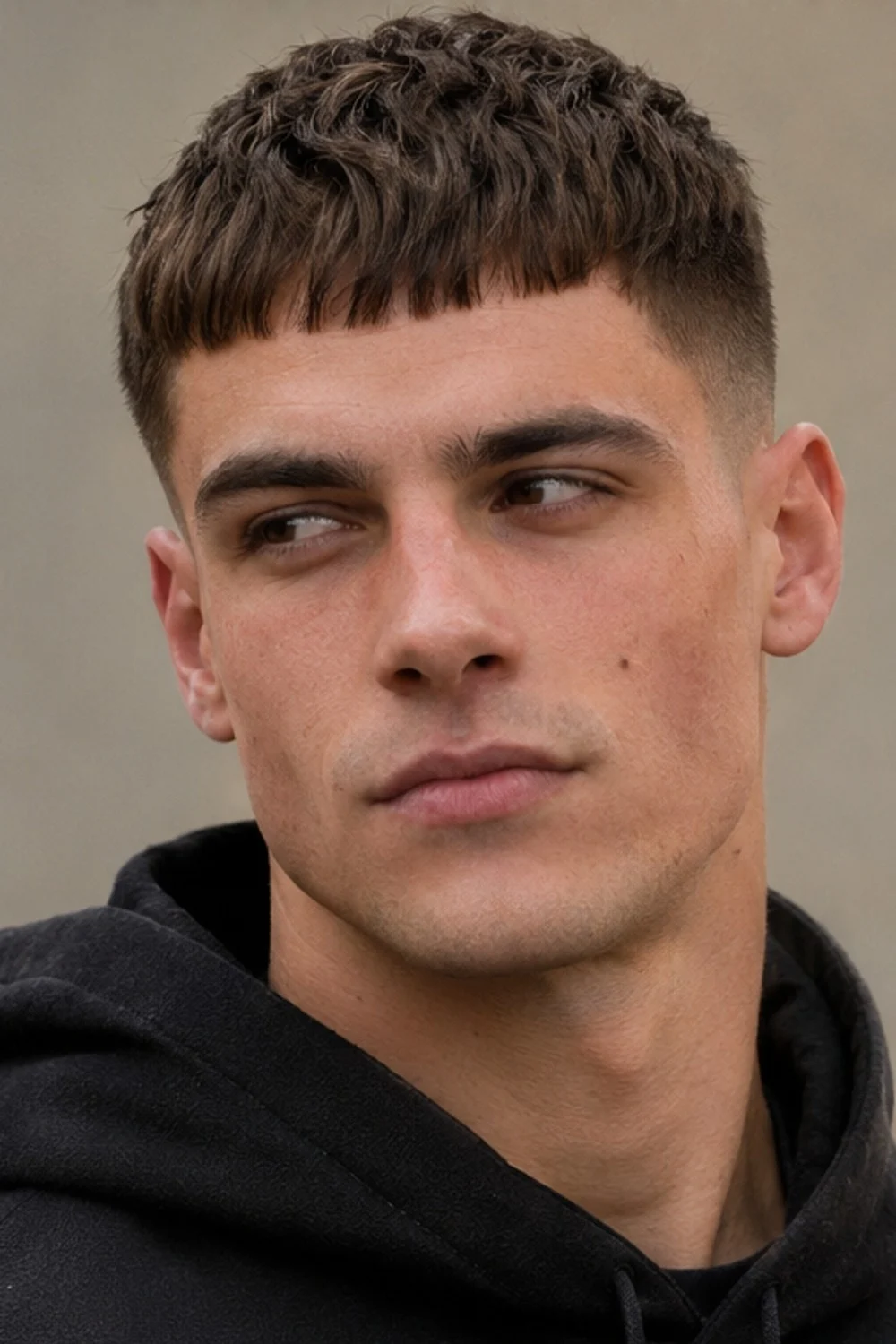
A Caesar directs short layers forward into a small fringe. Ask your barber to show where that fringe will land when dry. It can have a softer, broken edge or a more even line. Comb it forward once, then let the texture sit naturally.
8. Short Textured Quiff

A short quiff concentrates the lift near the forehead. Keep enough front length to bend back, with a shorter top behind it. Ask for a quick demonstration of the drying direction. If you prefer to air-dry, explain that before deciding how much height to build into the cut.
9. Compact Modern Pompadour
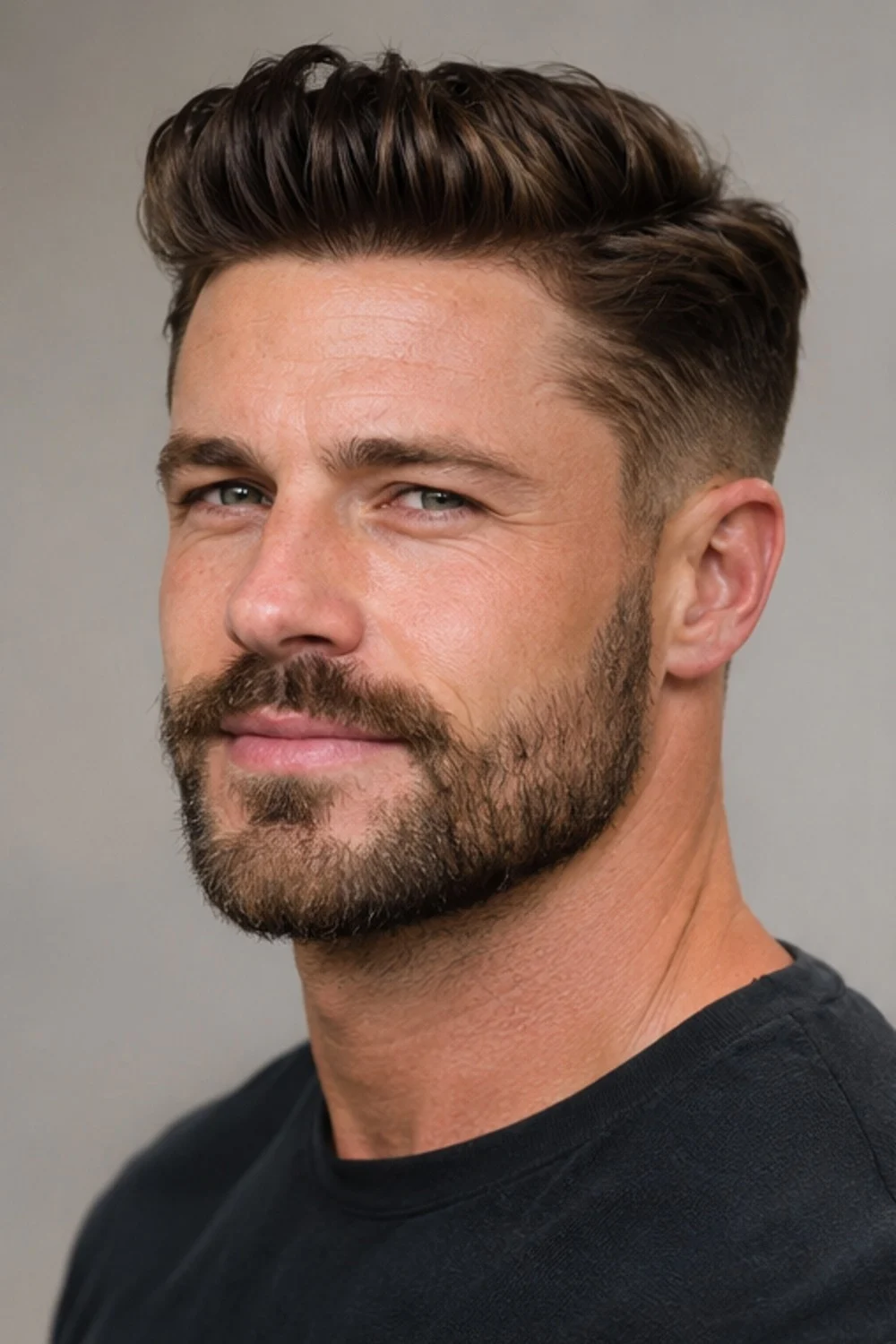
A compact pompadour has a rounded sweep at the front and tidy sides. It needs enough length to curve, even though the overall cut is short. Try the styling movement yourself while you’re at the appointment. Choose a height you’ll enjoy recreating on an ordinary morning.
10. French Crop With a Skin Fade
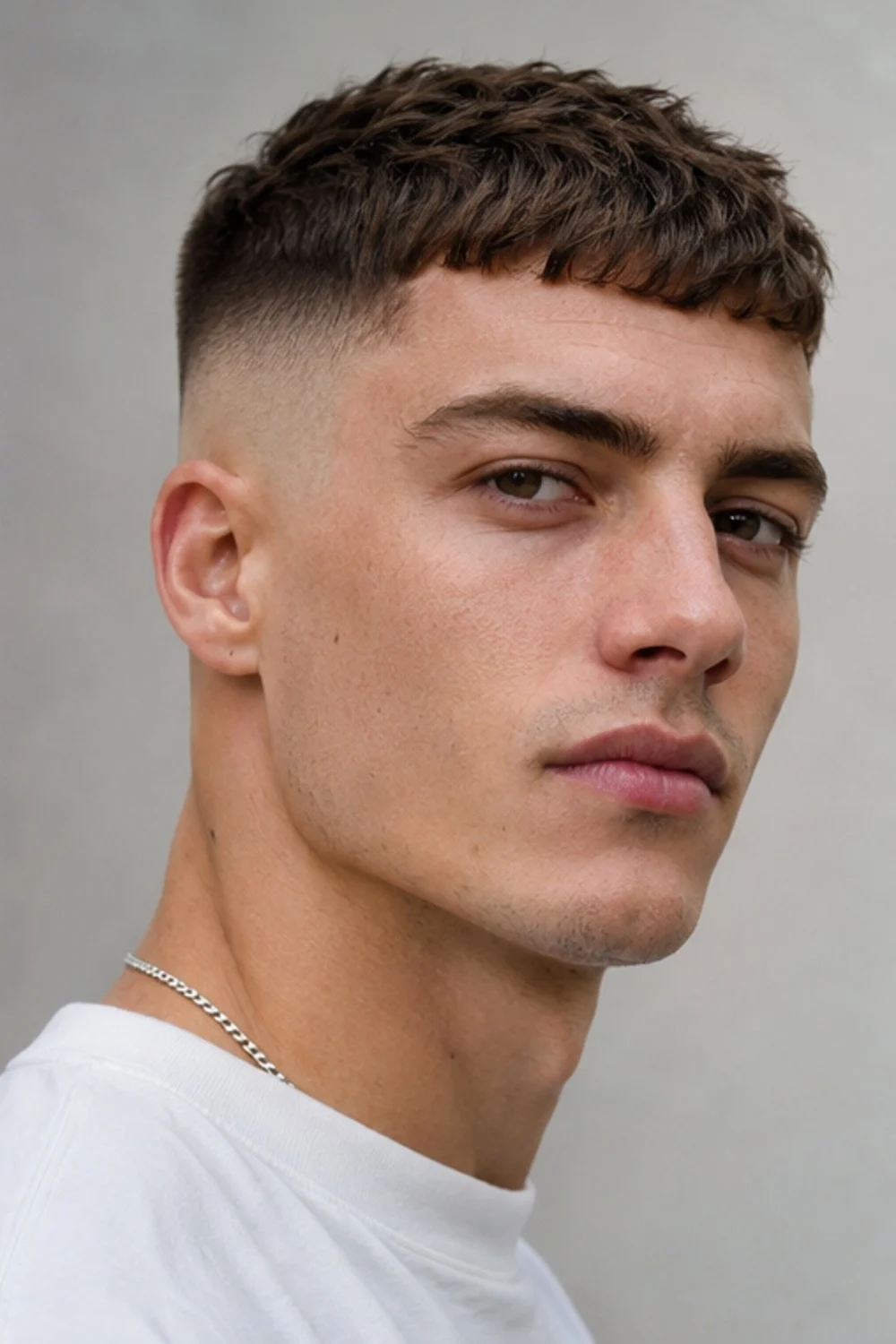
A French crop pairs a forward fringe with a closely faded side. The stronger contrast makes the edge of the fringe stand out. Discuss how blunt or textured you want that line and check it with your eyes open. A skin fade also brings a more frequent maintenance schedule.
11. Short Curly Crop With a Taper

Let your curls dry in their usual shape before deciding how short the top should be. A taper around the ears can tidy the outline while keeping the curl pattern visible. Tell your barber how much the hair shrinks after washing. Refresh the shape gently between appointments.
12. Short Afro With a Low Fade
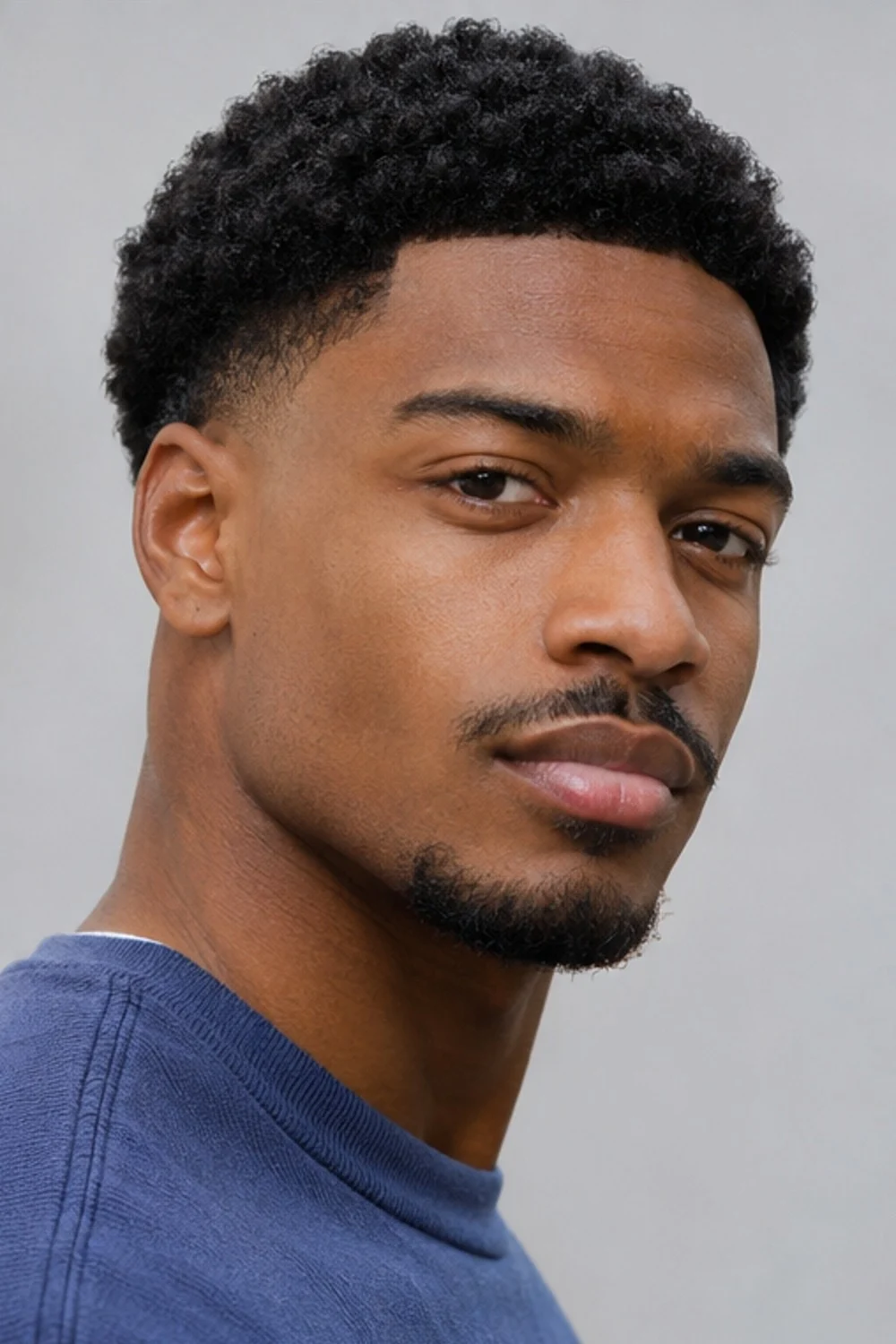
A short Afro with a low fade keeps fullness on top and a close outline near the ears. Ask for a shape that suits the way your coils naturally sit. Check the profile as well as the front before leaving. Discuss how often the fade will need a touch-up.
13. Short Disconnected Undercut
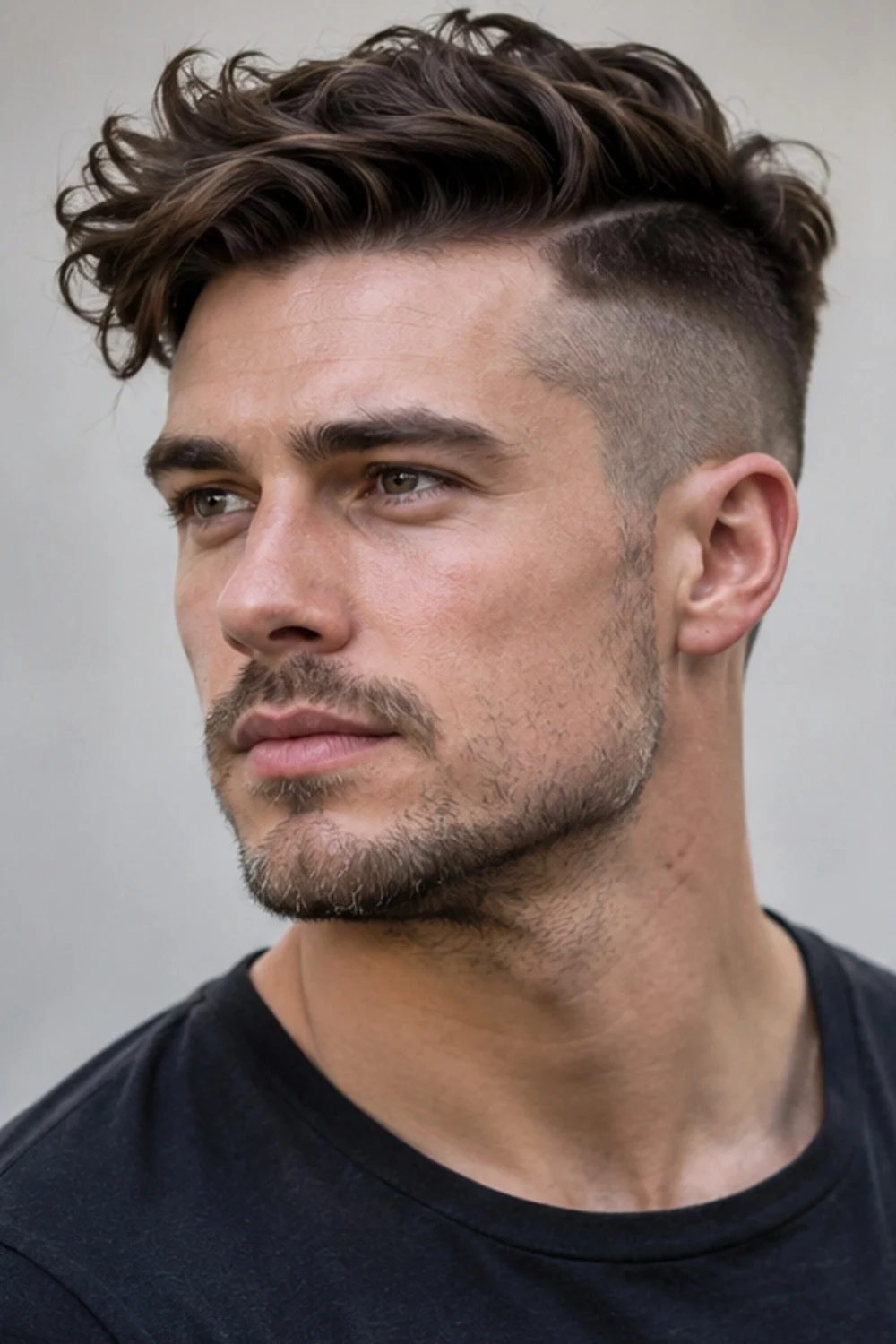
A disconnected undercut leaves a visible break between the longer top and short sides. Bring a reference from the side so the barber can see where you want that break. Check how the top falls without much product, too. That’s the version you’ll see on a low-effort day.
14. Comb-Over With a Low Fade

A comb-over with a low fade uses a clear side sweep above softly graduated edges. Keep enough length for the top to cross comfortably without pulling it flat. Follow your growth pattern when choosing the direction. A little texture can keep the finish relaxed.
15. Short Spiky Texture

Short spikes look more natural when they vary slightly in height and direction. Ask for texture through the top and a length your hair can support. Work a small amount of product through dry or nearly dry hair, then lift a few sections with your fingertips. Stop before every strand is separated.
Choose the short cut that fits your routine
Bring a front and side reference if you can, and arrive with your hair close to its usual state. Talk through your cowlicks, natural texture and preferred styling time. Before leaving, check the back with a mirror and ask how to recreate the finish at home.