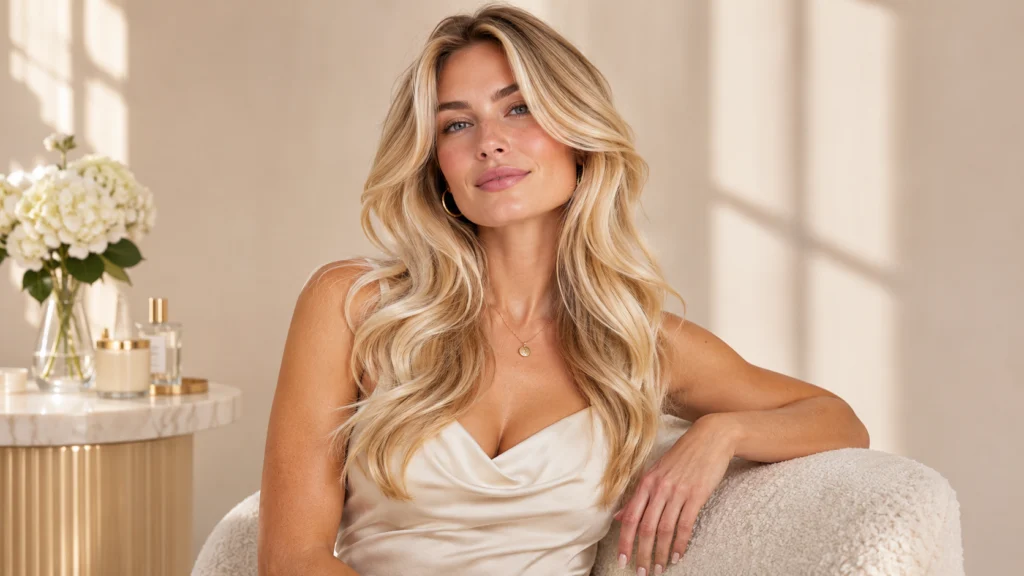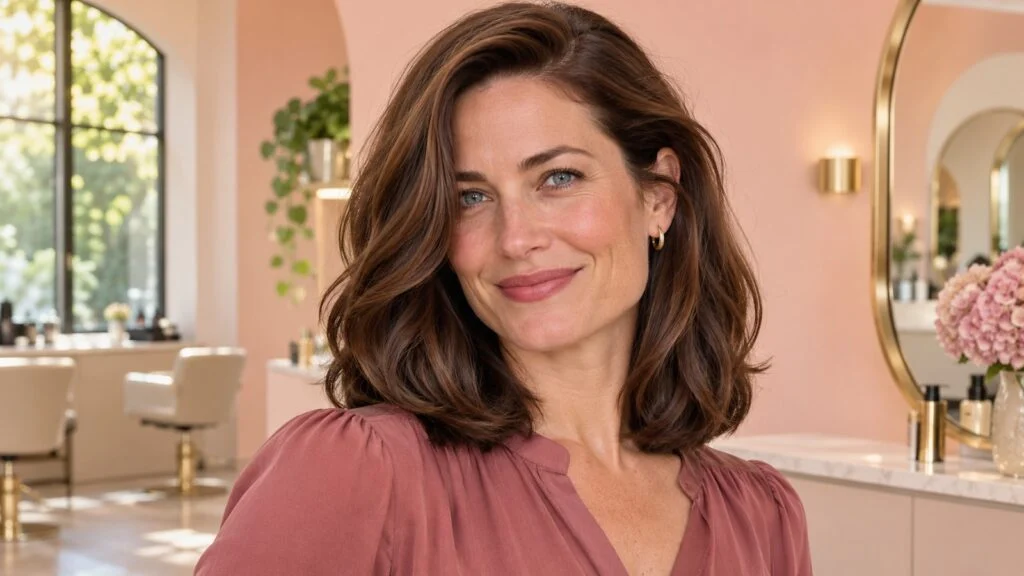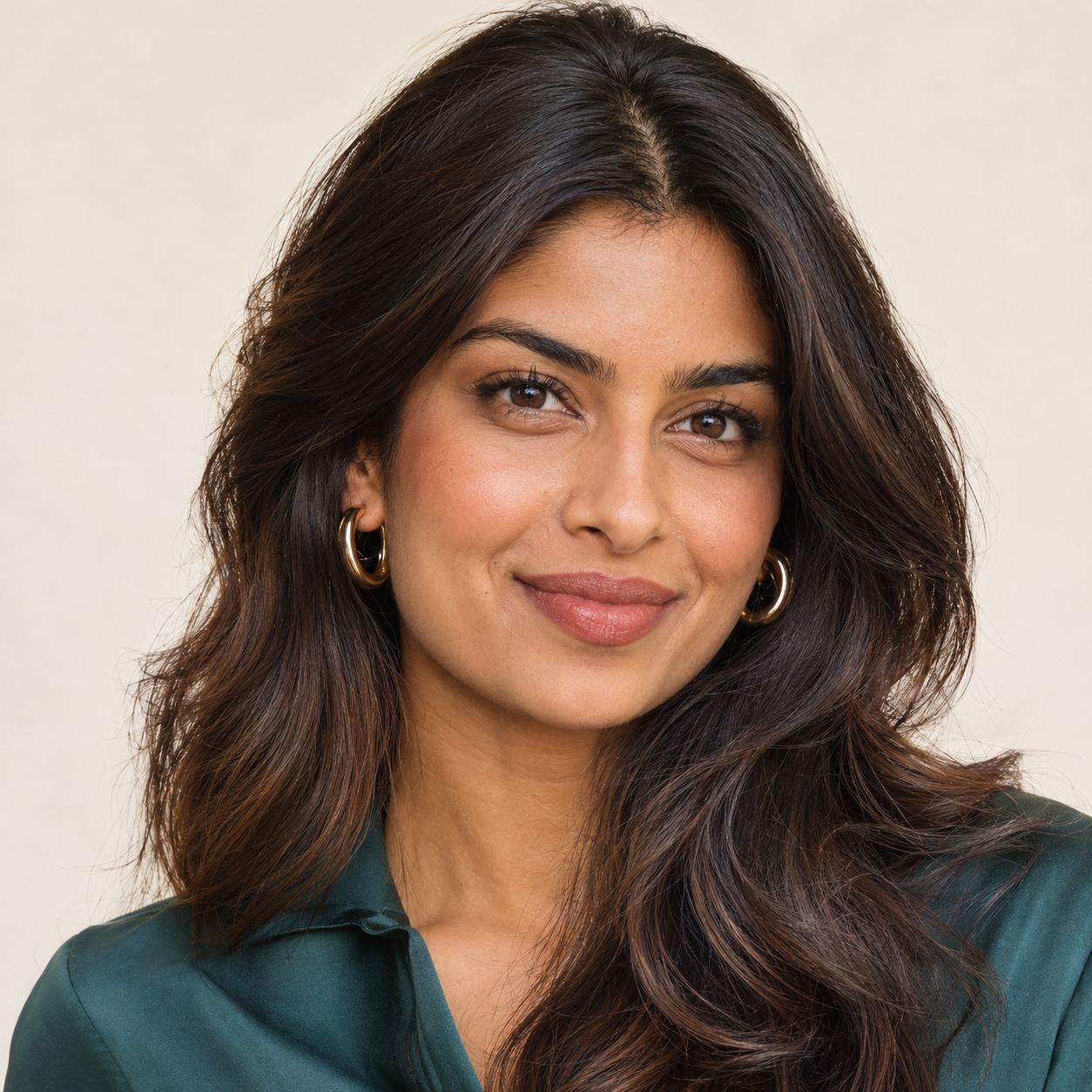

Thin hair does not automatically need more layers. Too many can make the perimeter look sparse, while a few carefully placed layers create lift and movement without giving away valuable density.
The cuts below balance a strong outline with texture in the right places. Bring a photo to your stylist, but also talk about your part, cowlicks and whether your hair is fine in strand size, low in density, or both.
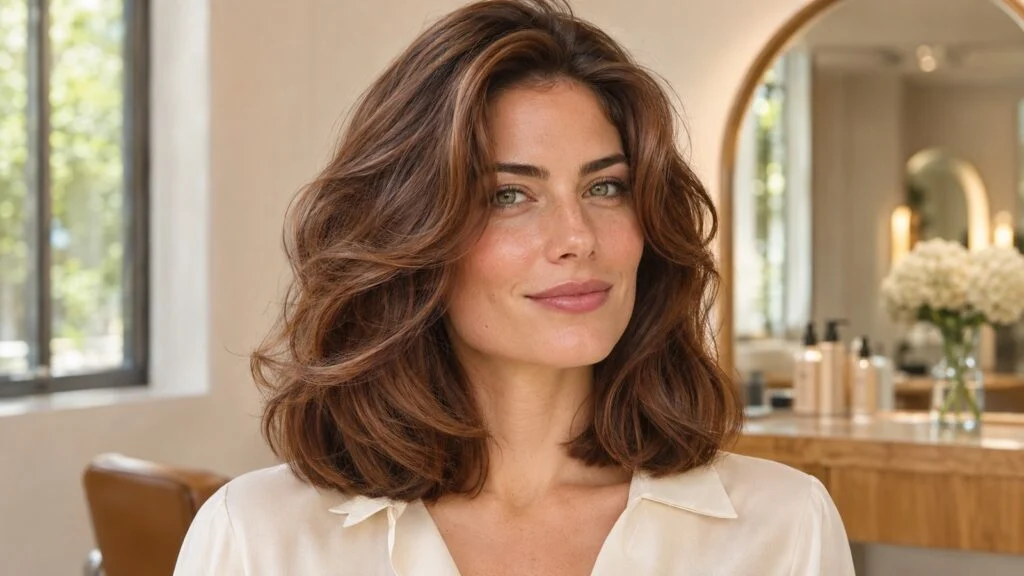
Quick answer: A blunt lob with subtle internal layers is one of the safest volume-building cuts for thin hair. It keeps the ends looking full while adding light movement around the crown and face.
1. Blunt Lob With Invisible Layers

The blunt edge creates density at the bottom, while hidden internal layers prevent the shape from lying completely flat. The movement is subtle, which is exactly why it works.
2. Stacked Bob
Short graduation at the back builds a rounded silhouette without relying on teasing. Keep the front slightly longer for a modern, balanced shape.
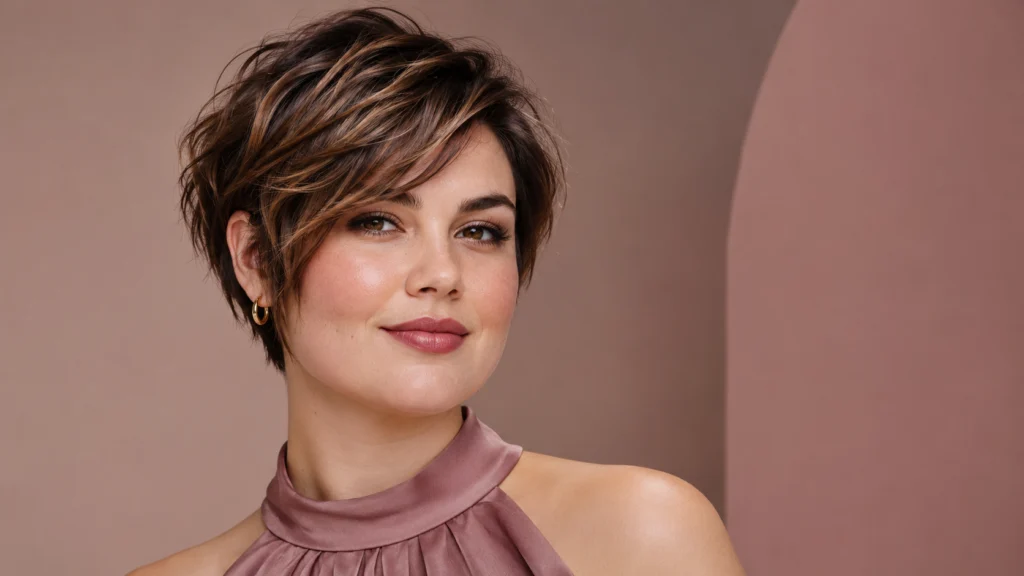
3. Textured Pixie With Crown Layers
Short crown layers stand away from the scalp and make a pixie feel fuller. A pea-size amount of matte paste adds separation without weighing the hair down.
4. Modern Bixie
A bixie keeps the nape light and leaves enough length on top for movement. It is especially useful for fine hair that looks flat in a one-length bob.
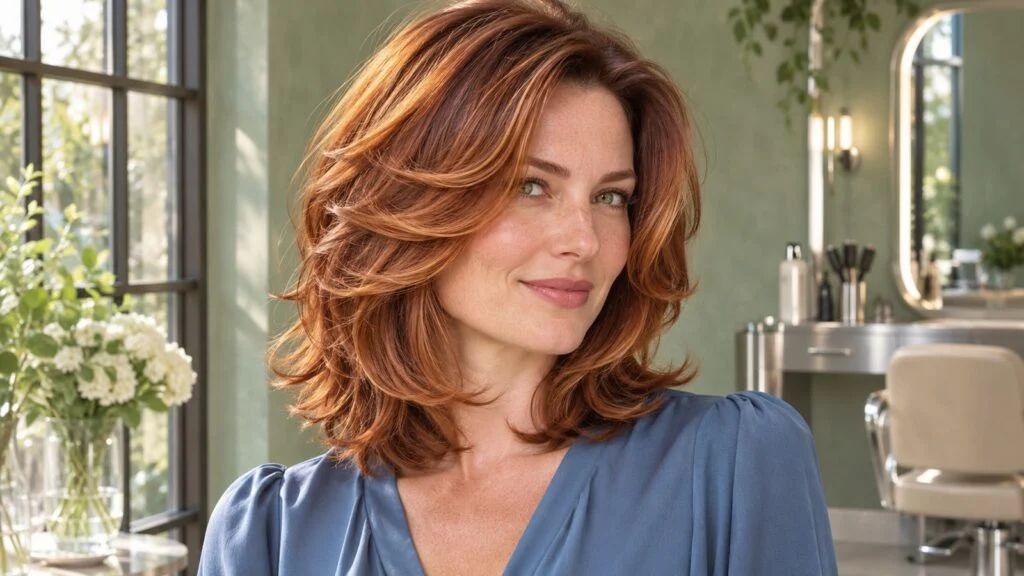
5. Collarbone Shag

A restrained shag creates texture near the crown while preserving length at the perimeter. Ask for soft layers rather than heavily razored ends.
6. Butterfly Lob
Shorter face layers give the impression of volume around the cheekbones, while the longer base stays full. A quick round-brush finish brings out the shape.
7. Rounded Bob
A rounded bob follows the head and turns a clean perimeter into a fuller silhouette. It works best when the interior is not over-layered.
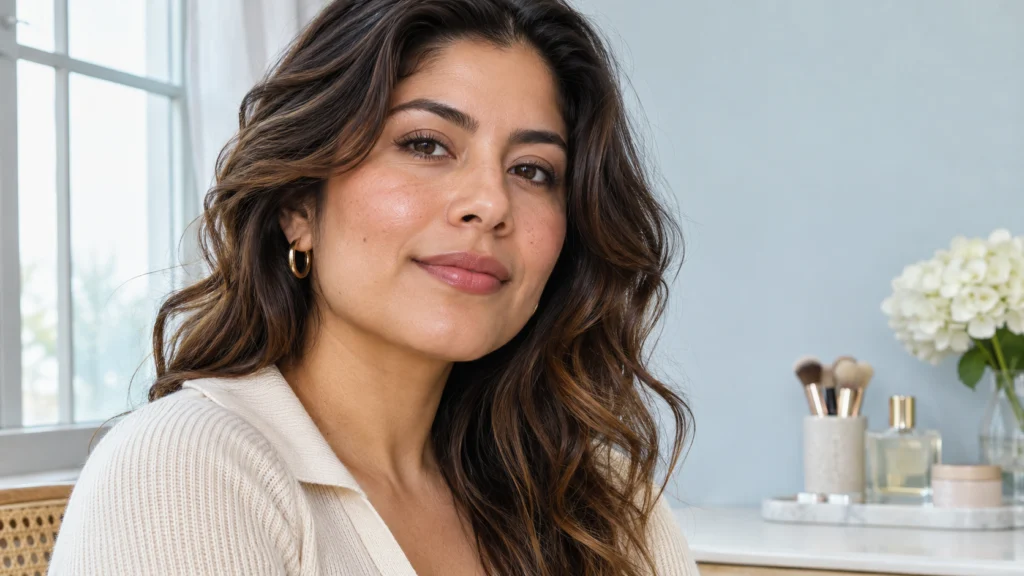
8. Soft Wolf Cut
The soft wolf cut uses crown movement and a gentle taper rather than dramatic disconnection. It gives fine wavy hair a little more personality without sacrificing all the ends.
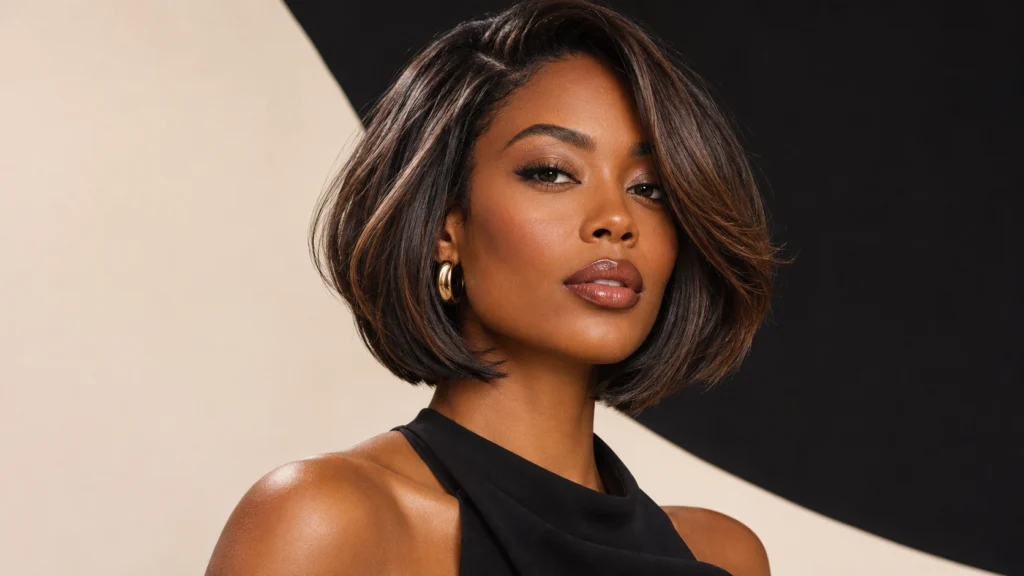
9. Side-Swept Layered Bob

A deep side part and light front layers create instant lift. The back can remain nearly blunt to support the overall density.
10. Chin Bob With Internal Layers
At chin length, the perimeter naturally looks substantial. Invisible layers inside the cut keep the shape from feeling helmet-like.
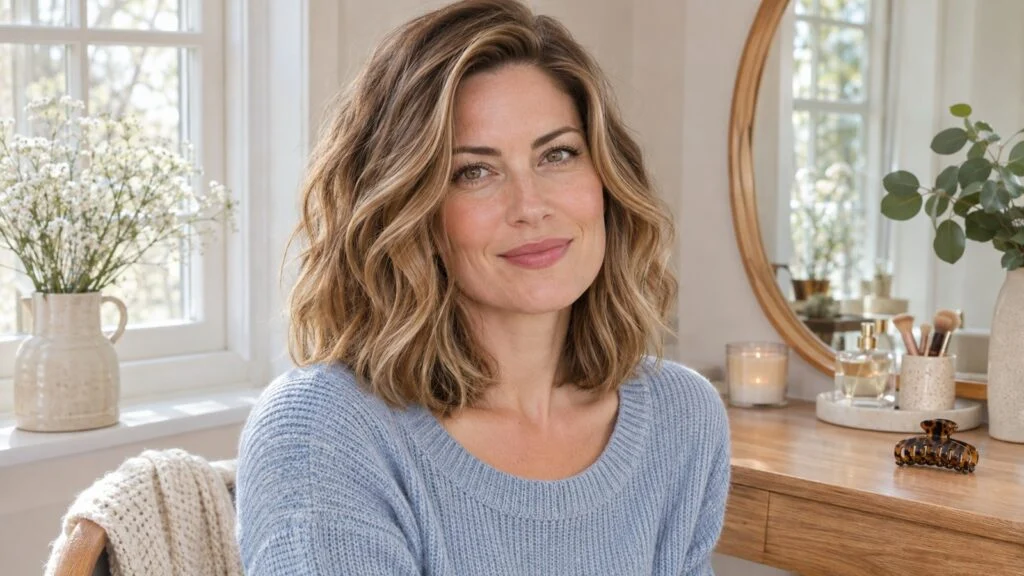
11. Shoulder Cut With Flipped Ends
A subtle outward flip makes the ends look energetic and broad. Minimal layering through the top keeps the cut from becoming stringy.
12. Layered Curly Bob
For fine curly hair, rounded layers stop the bottom from pulling the top flat. The cut should be planned around curl shrinkage, not stretched length.
13. Wispy Fringe With Mid-Length Layers

A light fringe adds interest without borrowing too much hair from the sides. Pair it with a mostly solid mid-length outline for balance.
14. Short Shag
A short shag creates natural root lift and works well with fine hair that already has a bend. Avoid excessive thinning around the ends.
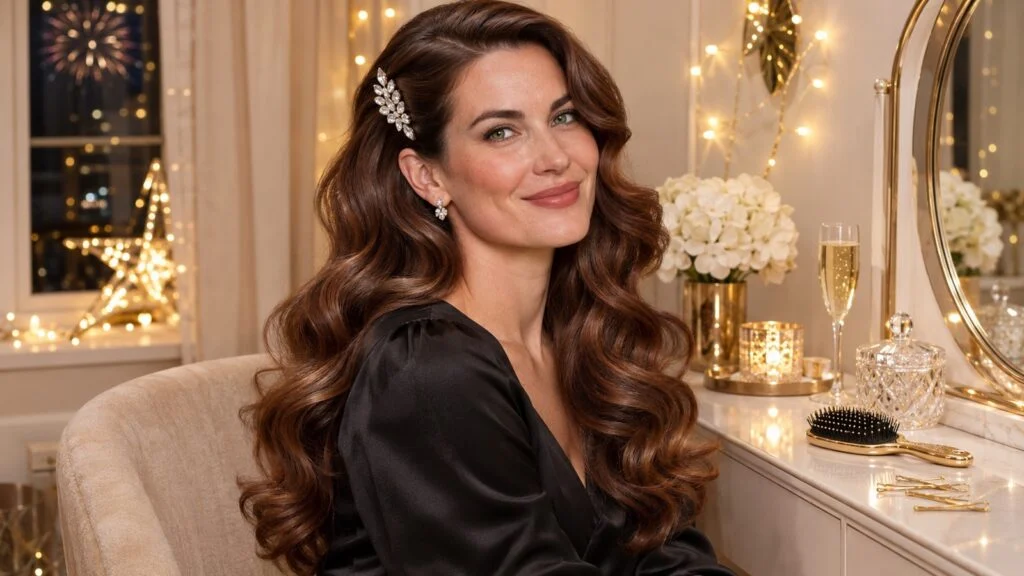
15. Long Light Layers With Face Framing
If you prefer length, keep most layers long and concentrate movement around the face. This preserves a fuller back view while preventing the front from hanging flat.
Frequently asked questions
Can layers make thin hair look thinner?
Yes, if they are too short or numerous. A strong perimeter with minimal strategic layering is usually more flattering.
What length makes thin hair look fuller?
Chin to collarbone lengths often look dense because the ends have not been stretched too far.
Should thin hair be razor cut?
It depends on texture, but heavy razor work can weaken the outline. Ask for a technique that preserves the ends.
Editor’s note: Hair, makeup and skincare results vary by individual. For persistent skin or scalp concerns, consult a qualified professional.