

Healthy-looking skin is usually the result of boring consistency, not a shelf full of trend-driven products. A gentle cleanser, a moisturizer that suits you and daily sun protection do more good than constantly rebuilding the routine.
These habits are general education, not a diagnosis or treatment plan. Persistent acne, rashes, pain, bleeding or sudden changes deserve advice from a qualified dermatologist or healthcare professional.
Quick answer: Keep the routine simple: cleanse gently, moisturize while skin is slightly damp, use broad-spectrum SPF 30 or higher, introduce treatment products slowly and stop when irritation builds instead of pushing through it.
1. Cleanse Gently
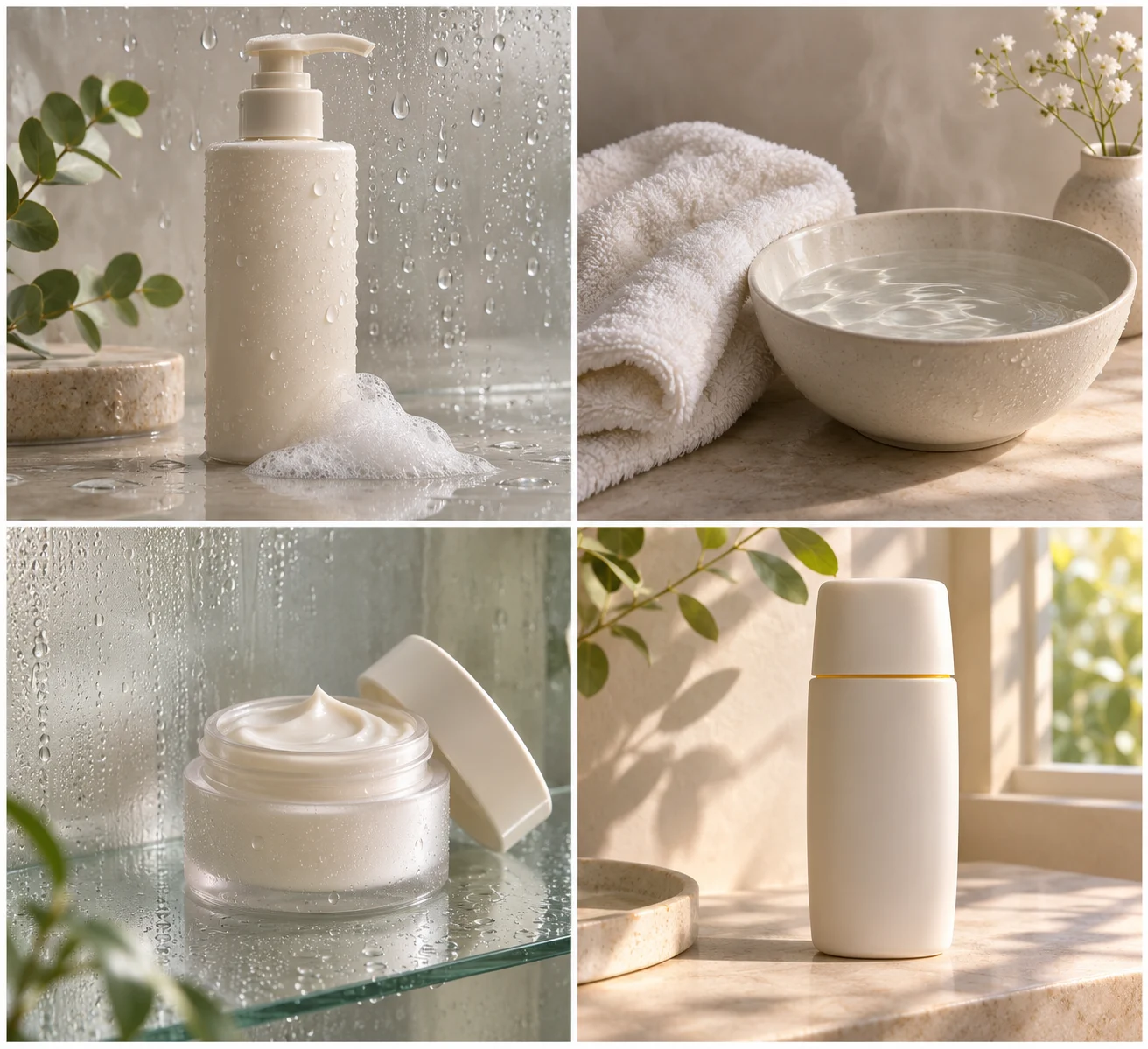
Choose a cleanser that removes sunscreen, makeup and daily grime without leaving the skin tight. Scrubbing harder does not make the skin cleaner; it usually makes the barrier unhappier.
2. Use Lukewarm Water
Very hot water can leave skin feeling dry and reactive. Lukewarm water is enough for cleansing and is easier on the face, especially in winter.
3. Moisturize Slightly Damp Skin
Applying moisturizer after patting the face—not drying it completely—helps trap some water in the skin. The product should feel comfortable rather than greasy or stinging.
4. Wear Broad-Spectrum Sunscreen Daily
Daily sun protection is one of the most useful long-term skin habits. Pick a broad-spectrum SPF 30 or higher that you can apply generously and comfortably.
5. Reapply Sun Protection

Sunscreen is not a one-and-done shield. Reapply according to the label, especially after sweating, swimming or spending extended time outdoors.
6. Patch-Test New Products
Test a new product on a small area before using it across the face, particularly if your skin is reactive. A patch test cannot predict every response, but it can catch obvious irritation.
7. Introduce One Active at a Time
Adding several acids, retinoids and brightening products together makes it hard to know what helped or caused irritation. Give one change time before making another.
8. Use Retinoids at a Tolerable Pace
Retinoids can be useful for some people, but more frequent is not always better. Start slowly, moisturize and seek professional advice if irritation is persistent or if pregnancy considerations apply.
9. Do Not Over-Exfoliate

Stinging, tightness and persistent flaking are signs to step back. Your skin does not need multiple exfoliating acids, scrubs and peels in the same routine.
10. Change Pillowcases Regularly
A clean pillowcase is a simple hygiene habit, especially if you use hair products or sweat at night. Choose a wash schedule that fits your skin and routine.
11. Avoid Picking at Blemishes
Picking increases inflammation and can prolong marks. If a spot is painful, deep or persistent, a dermatologist can offer safer options than squeezing it at home.
12. Support Skin With Food and Hydration
Water and a varied diet support overall health, but neither is a magic cure for every skin concern. Aim for consistency rather than detox claims or restrictive trends.
13. Protect Your Sleep

Sleep cannot replace skincare, but poor sleep can make the face look tired and routines harder to maintain. A regular wind-down is useful for overall wellbeing.
14. Reduce Stress Where You Can
Stress is not always controllable, and skin changes are never a moral failure. Small calming habits may help you avoid reactive picking and routine overload.
15. Cleanse After Heavy Sweating
Rinse or cleanse after a sweaty workout when practical, then moisturize if the skin feels dry. Avoid aggressive scrubbing, which adds friction to already warm skin.
16. Be Cautious With Fragrance
Many people tolerate fragranced products, but sensitive or reactive skin may prefer fragrance-free options. If a product stings repeatedly, stop using it.
17. Remember the Neck and Chest

Extend gentle moisturizer and sunscreen to the exposed neck and upper chest. There is no need for a separate expensive product unless you enjoy one.
18. Adjust With the Seasons
Cold, dry weather may call for a richer moisturizer, while humid months can feel better with lighter layers. Keep the core routine stable and change only what the climate demands.
19. Keep a Simple Skin Diary
If irritation comes and goes, note product changes and timing. A short record is more useful than guessing and can help a professional see patterns.
20. Know When to See a Dermatologist
Seek expert care for persistent, painful, rapidly changing or scarring concerns. Good skincare includes knowing when home experimentation has reached its limit.
Frequently asked questions
What are the three most important skincare steps?
For many people, gentle cleansing, moisturizing and broad-spectrum sun protection form a strong core routine.
How long should I test a new routine?
Give simple products time, but stop sooner if you develop significant burning, swelling, rash or worsening irritation.
Does glowing skin require expensive products?
No. Consistency and tolerability matter more than price or the number of products.
Editor’s note: Hair, makeup and skincare results vary by individual. For persistent skin or scalp concerns, consult a qualified professional.