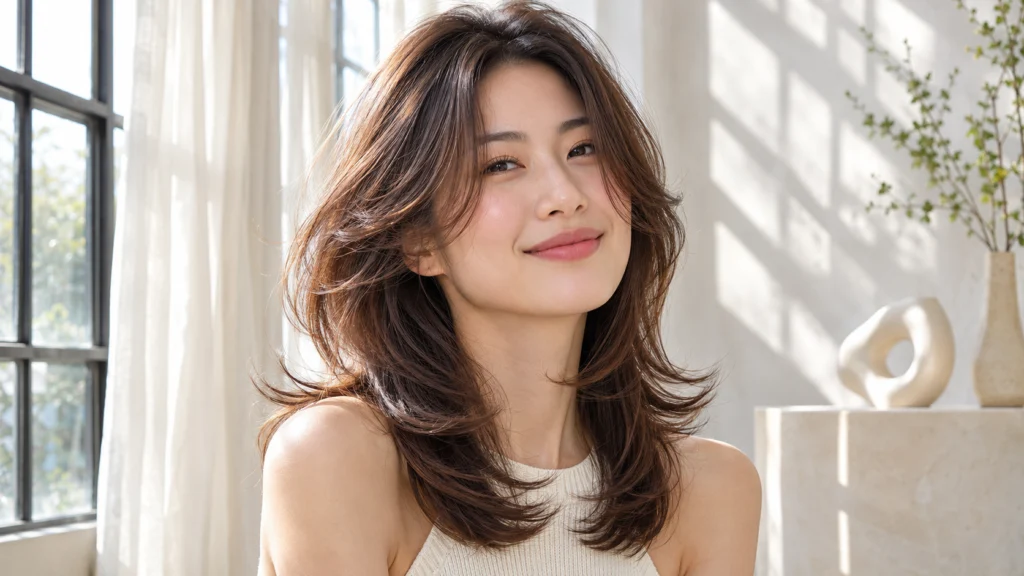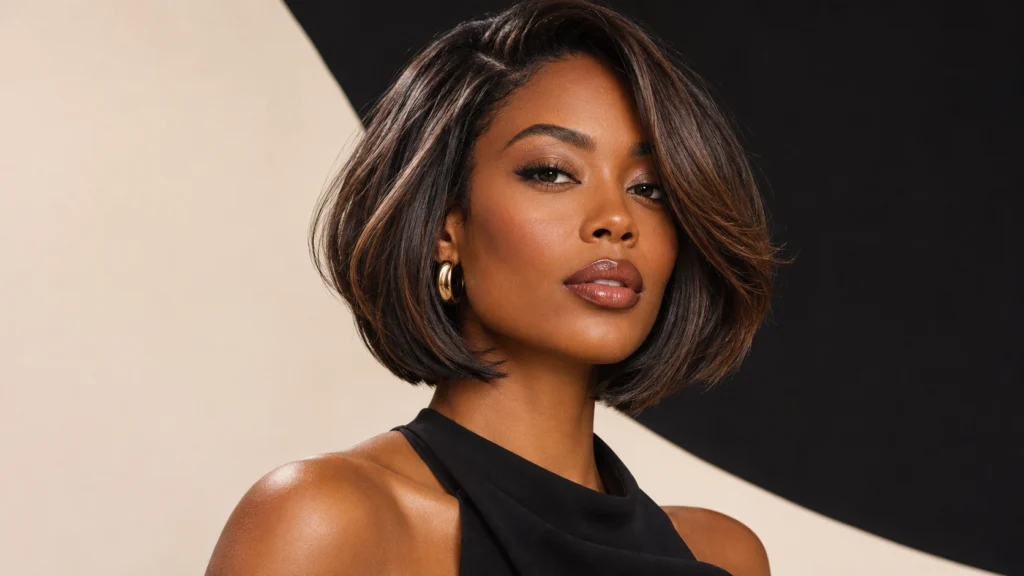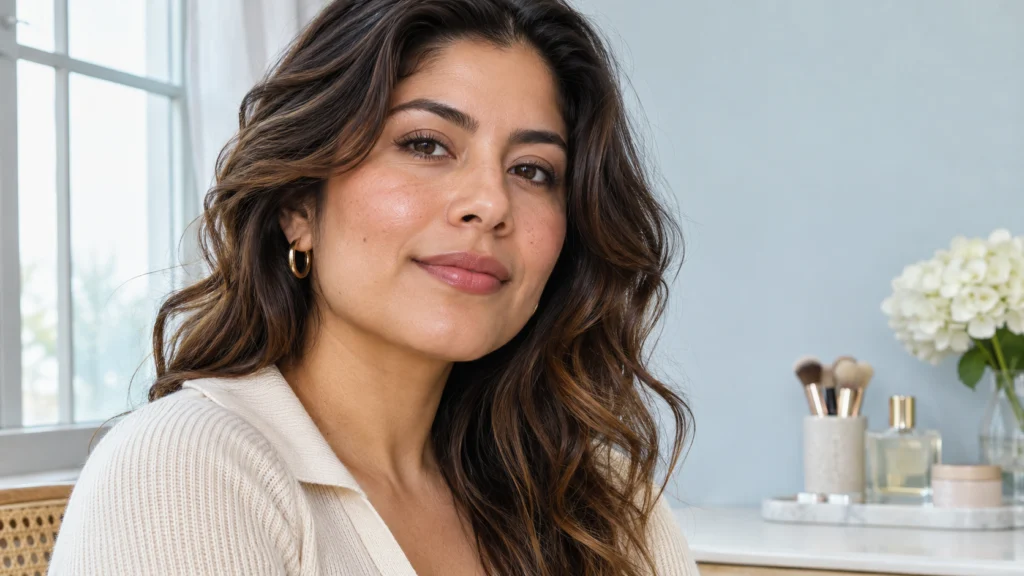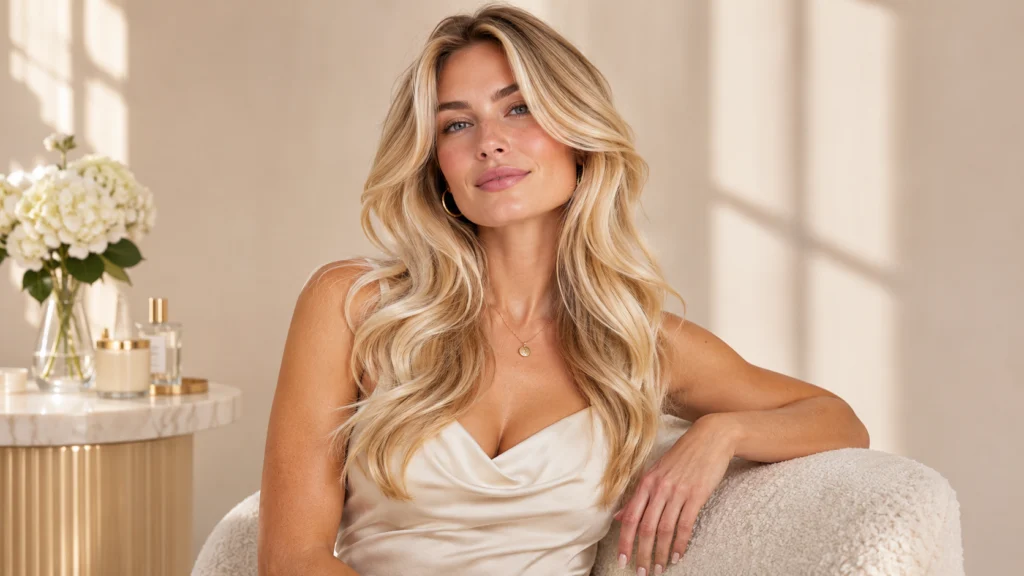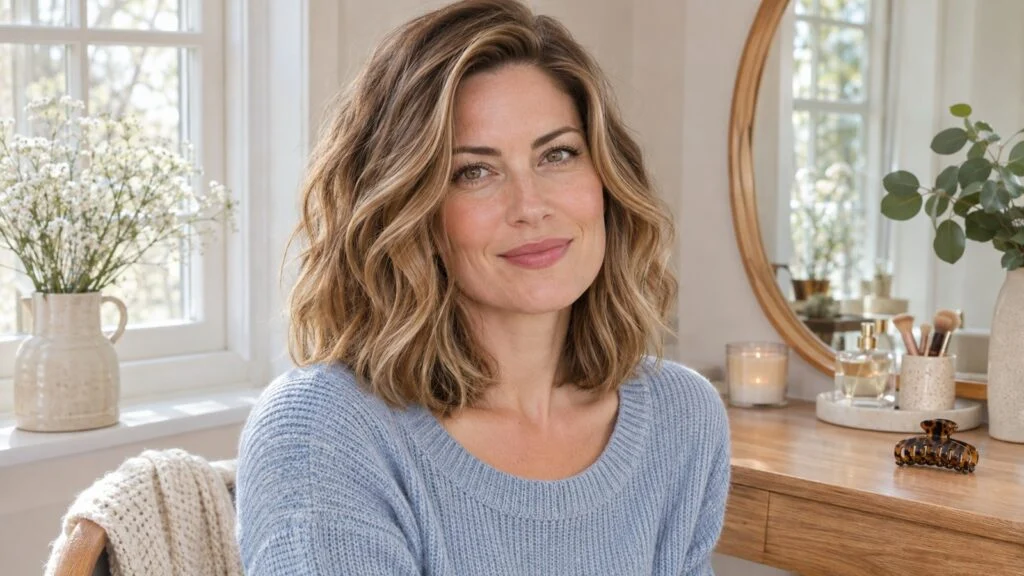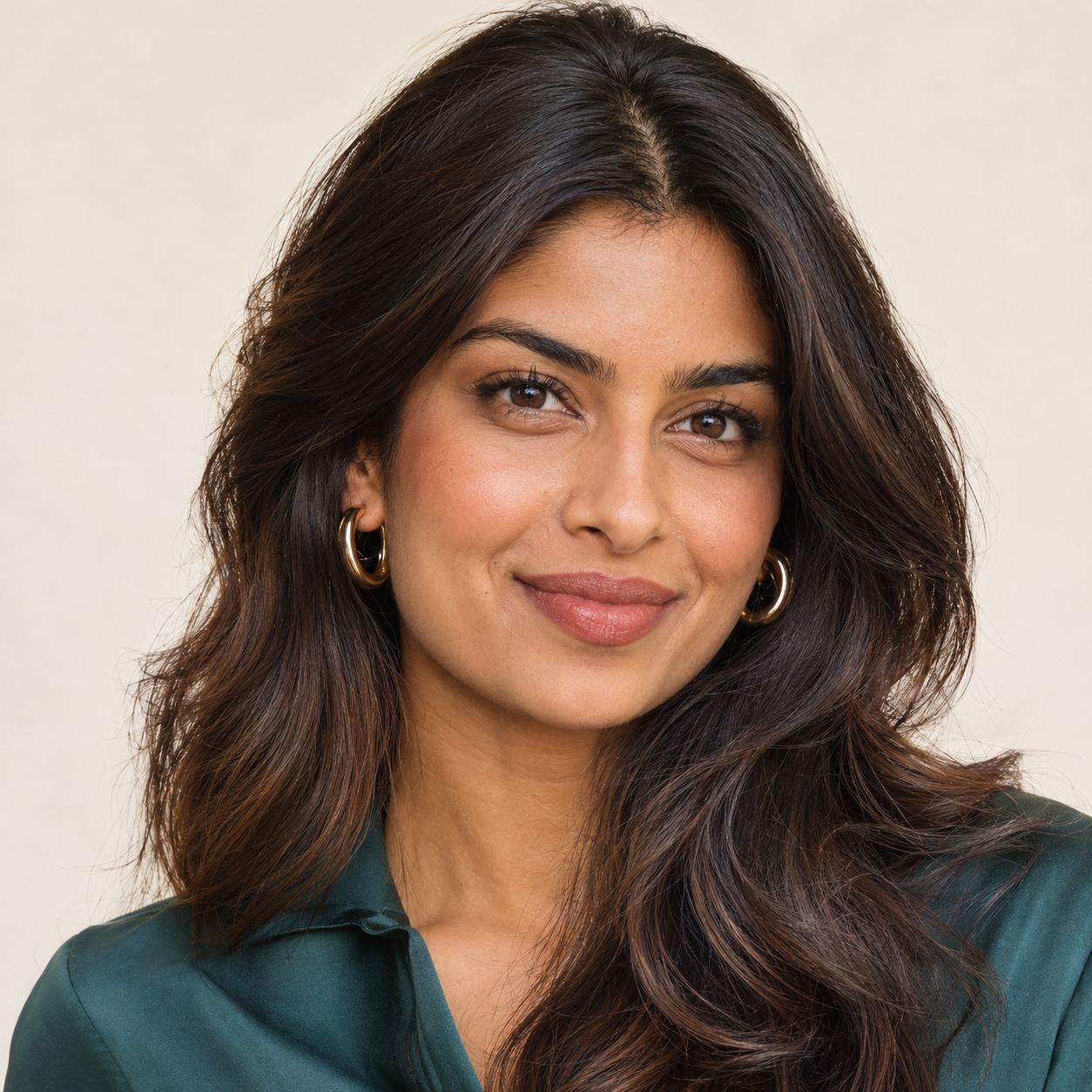

Shoulder length can give thick hair a useful middle ground: enough length to show its texture, with options to tuck, clip or tie it back. The shape matters more than simply cutting it shorter. A blunt edge, soft layers and a rounded curl cut each ask something different of your daily routine.
These 18 shoulder-length hairstyles for thick hair include haircut ideas and ways to wear the finished cut. Use the images to show your stylist the outline you like, then discuss your natural texture, drying routine and how often you want to put your hair up. Manageable should mean manageable for you.
1. Blunt Shoulder-Length Cut

A blunt shoulder-length cut gives thick hair a clear outline without lots of short pieces to arrange. It’s a useful reference if you like full ends and your hair naturally sits straight or with a slight bend.
Ask how the edge will fall when you wear it your usual way. A little internal adjustment may suit some textures, but the perimeter should stay as substantial as you prefer. A precise line can still need regular trims.
2. Invisible Internal Layers
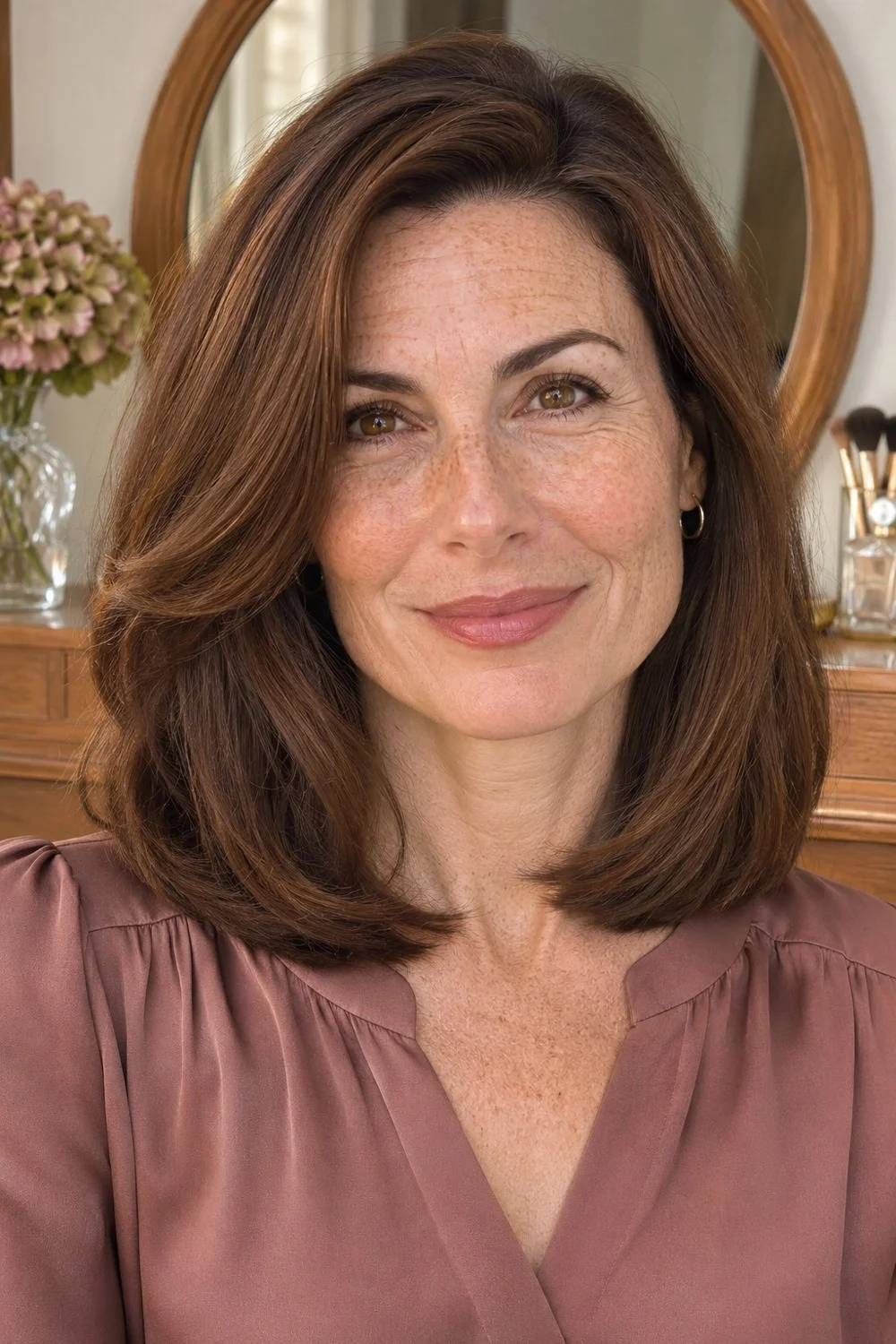
Invisible internal layers aim to change movement beneath a smooth outer shape. They may be worth discussing if you like the look of a one-length cut but want your stylist to assess the density inside it.
Ask where the layers would sit and how they’ll grow out. You can’t identify hidden cutting work from a photograph alone, so treat the image as a reference for the finish. More weight removal isn’t automatically easier to manage.
3. Rounded Shoulder-Length Layers
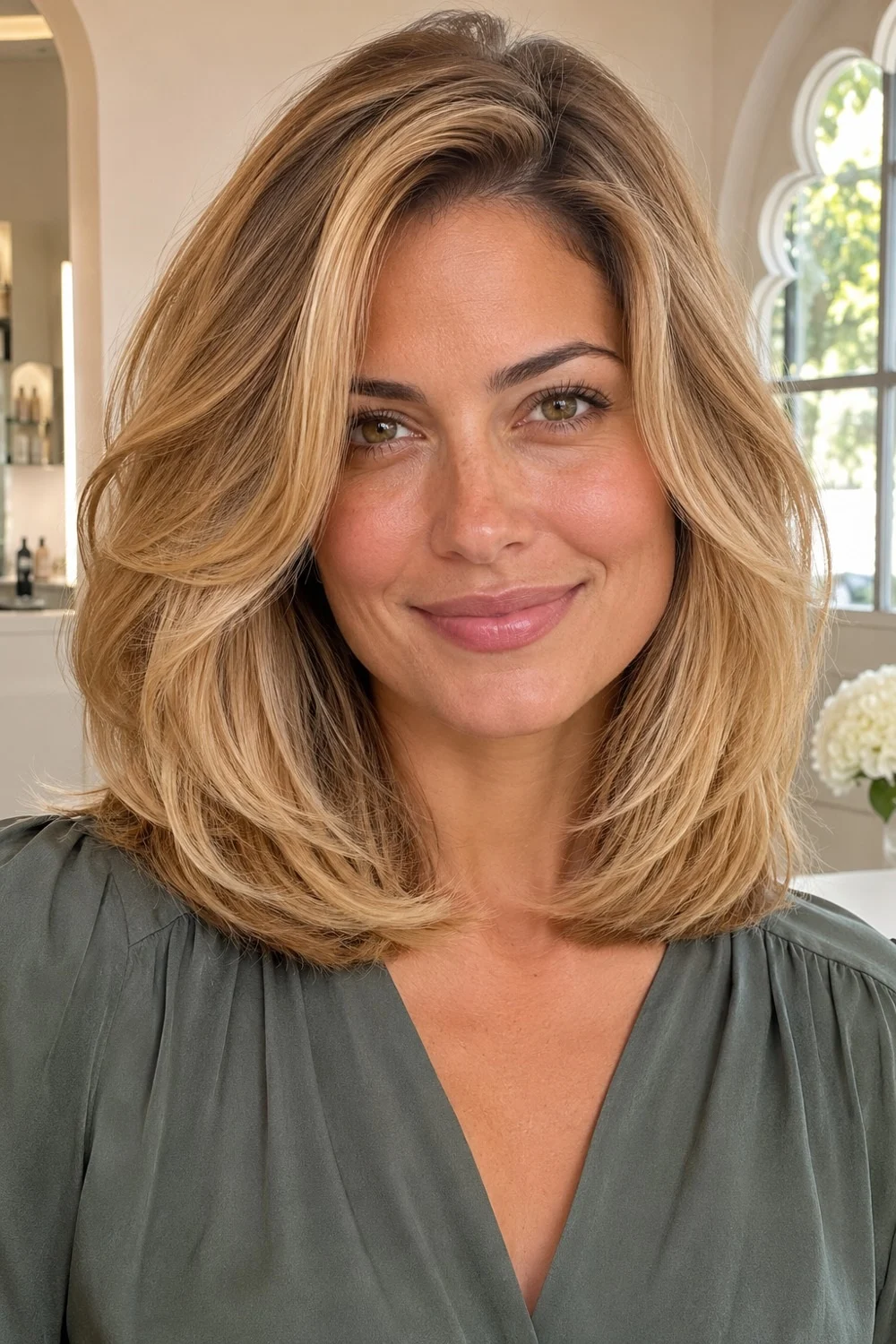
Rounded layers give the sides and ends a soft curve rather than a sharp step. At shoulder length, they can create a connected shape with fullness through the bottom.
Decide how short you want the first layer before cutting. A brush-styled curve will look different from natural waves or curls, so discuss both. The useful shape is one that suits the way you actually dry and wear your hair.
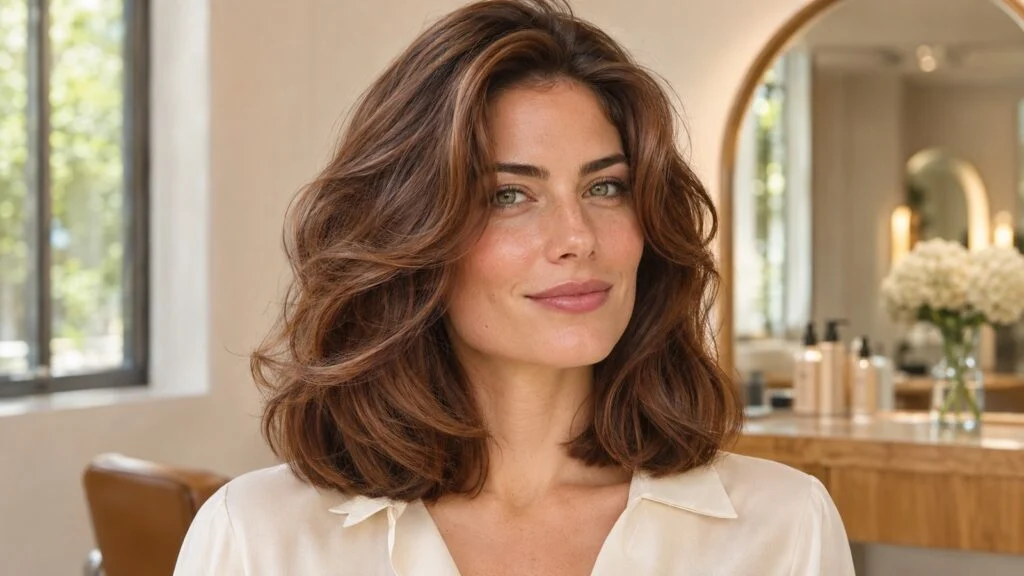
4. Textured Shoulder Lob
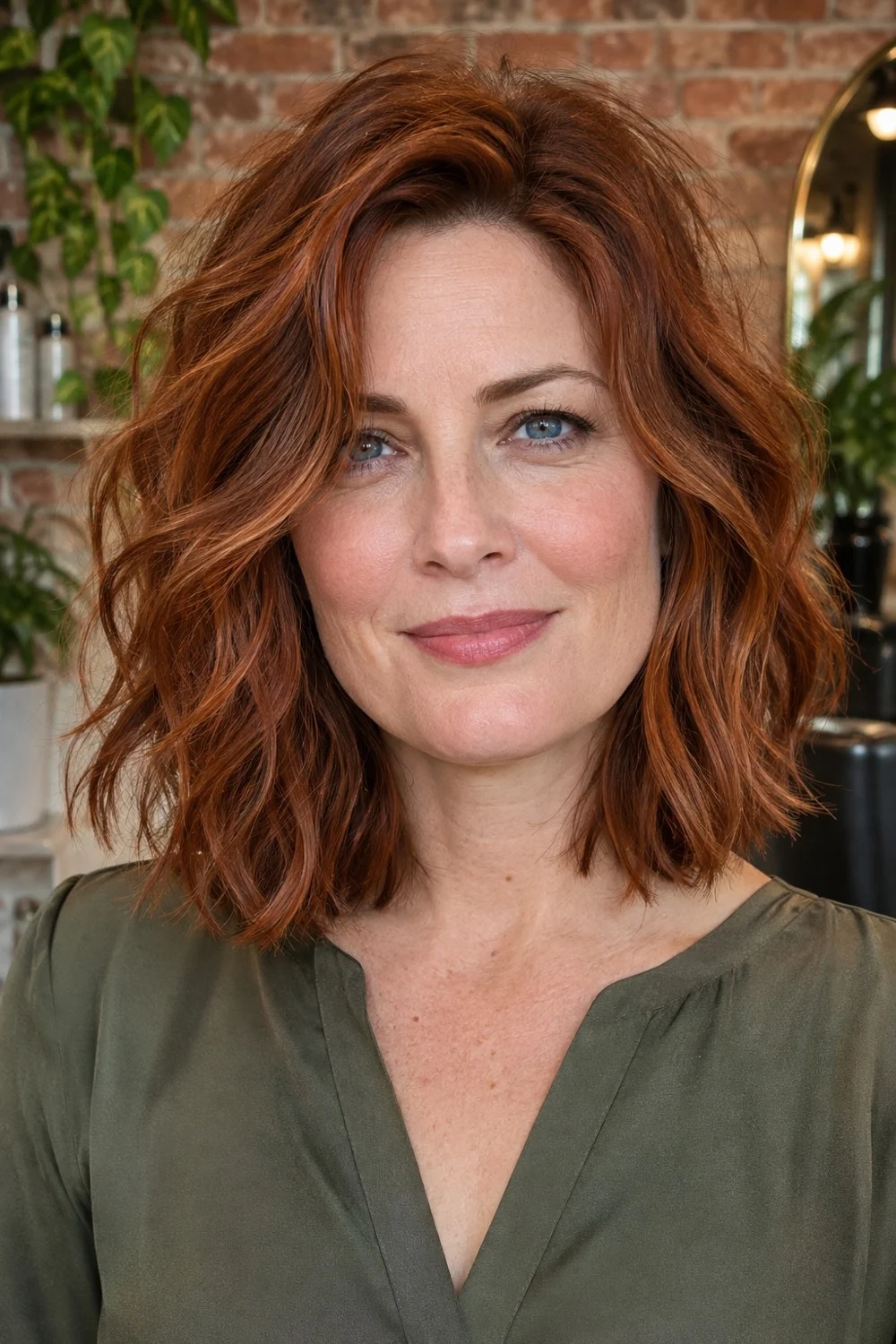
A textured shoulder lob looks comfortable with a few bends and separated ends. It’s a good reference when you want movement without expecting every strand to fall into a perfectly smooth line.
Ask for a clear underlying shape and the amount of texture you like. Start with a little of your usual styling product, then let the hair settle. Keep enough weight at the edge for the fullness you want.
5. Curtain-Bang Shoulder Cut

Long curtain bangs soften the front of a shoulder cut by opening at the center and sweeping toward the cheeks. Their longer sides can blend into face-framing layers and, depending on length, tuck or pin back.
Check how your natural part and cowlicks affect the fringe. Longer bangs may still need some styling even when the rest of the hair doesn’t. Choose the length around how you want to wear them on busy mornings.
6. Side-Swept Layers

Side-swept layers bring a diagonal line across the forehead and into the lengths. They’re useful if you naturally favor a side part and want a softer front without a short, straight fringe.
Try the part before deciding where to cut. Keep the sweep connected to the shoulder-length ends. If one side feels fuller than you like, discuss a targeted adjustment instead of assuming the whole cut needs thinning.
7. Air-Dried Shoulder Waves

Air-dried waves work best as a reference when their relaxed, uneven bends are part of the look you want. Long layers can support the pattern while keeping a full shoulder-length outline.
Use your normal wave routine to judge the cut. A modest amount of leave-in or defining product may be enough, depending on your hair. Refresh a section that needs attention rather than restyling everything just to make the waves match.
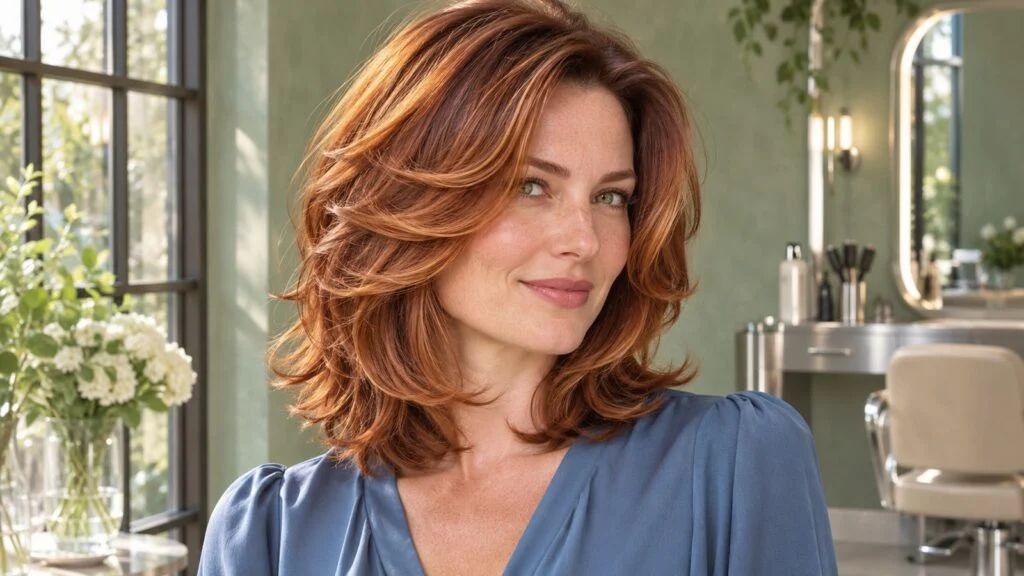
8. Soft Shoulder-Length Shag

A soft shag adds movement through the crown and ends without the strongest contrasts of a dramatic shag. Longer, blended layers can make the shape easier to tuck or gather back.
Ask how it will behave with your natural texture and how much styling the front needs. You can keep the fringe long or skip it. Discuss upkeep too, because growth can change the balance of the crown and perimeter.
9. Rounded Shoulder-Length Curls
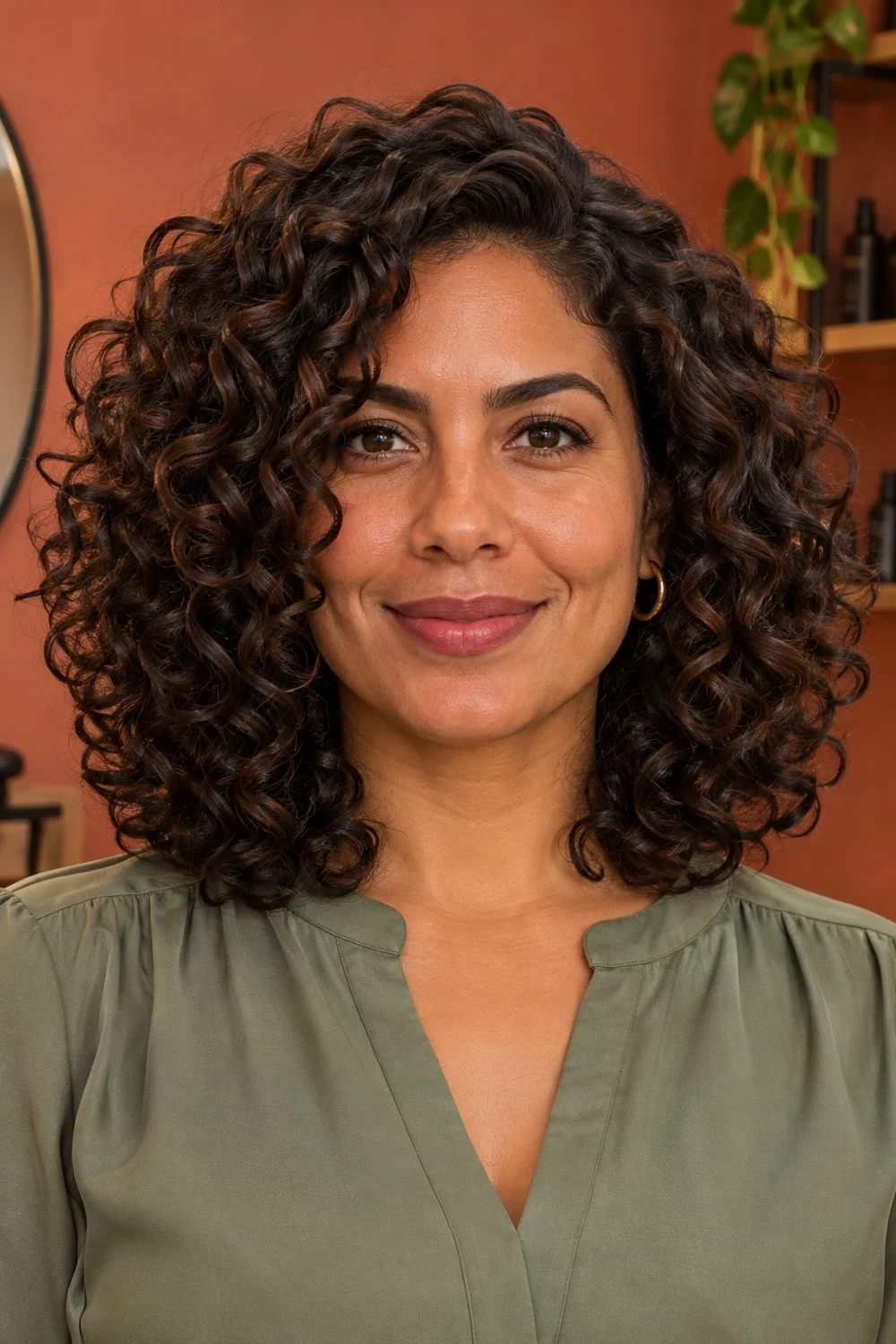
Rounded curls give shoulder-length hair a deliberate overall shape while leaving room for individual ringlets to move. The right outline depends on your curl pattern and the volume you enjoy.
Choose a stylist who accounts for shrinkage and your usual routine. Explain how you define and dry your curls, and assess the length when they’re dry. A clear cut doesn’t remove wash-day work, but it can make the intended shape easier to follow.
10. Layered Shoulder-Length Coils
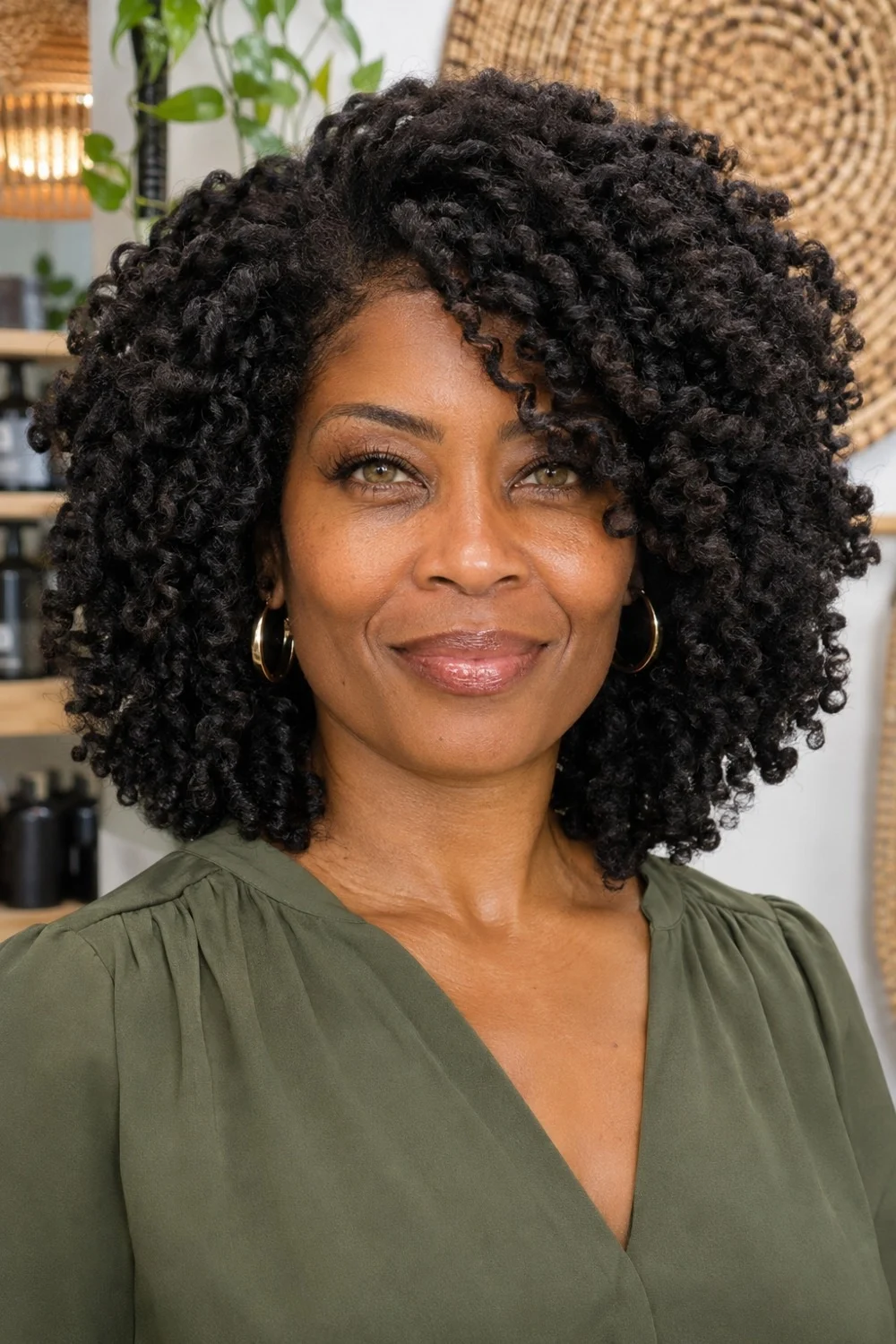
Layered coils need an outline that respects how different areas shrink and sit. A shoulder-length reference can help you show the fullness you want around the crown, sides and ends.
Talk about natural and stretched length rather than using either alone. Work with a stylist familiar with your texture, and describe your everyday styling routine. Keep the level of definition and volume a personal choice, not a requirement to copy every coil in a photo.
11. Half-Up Claw-Clip Style
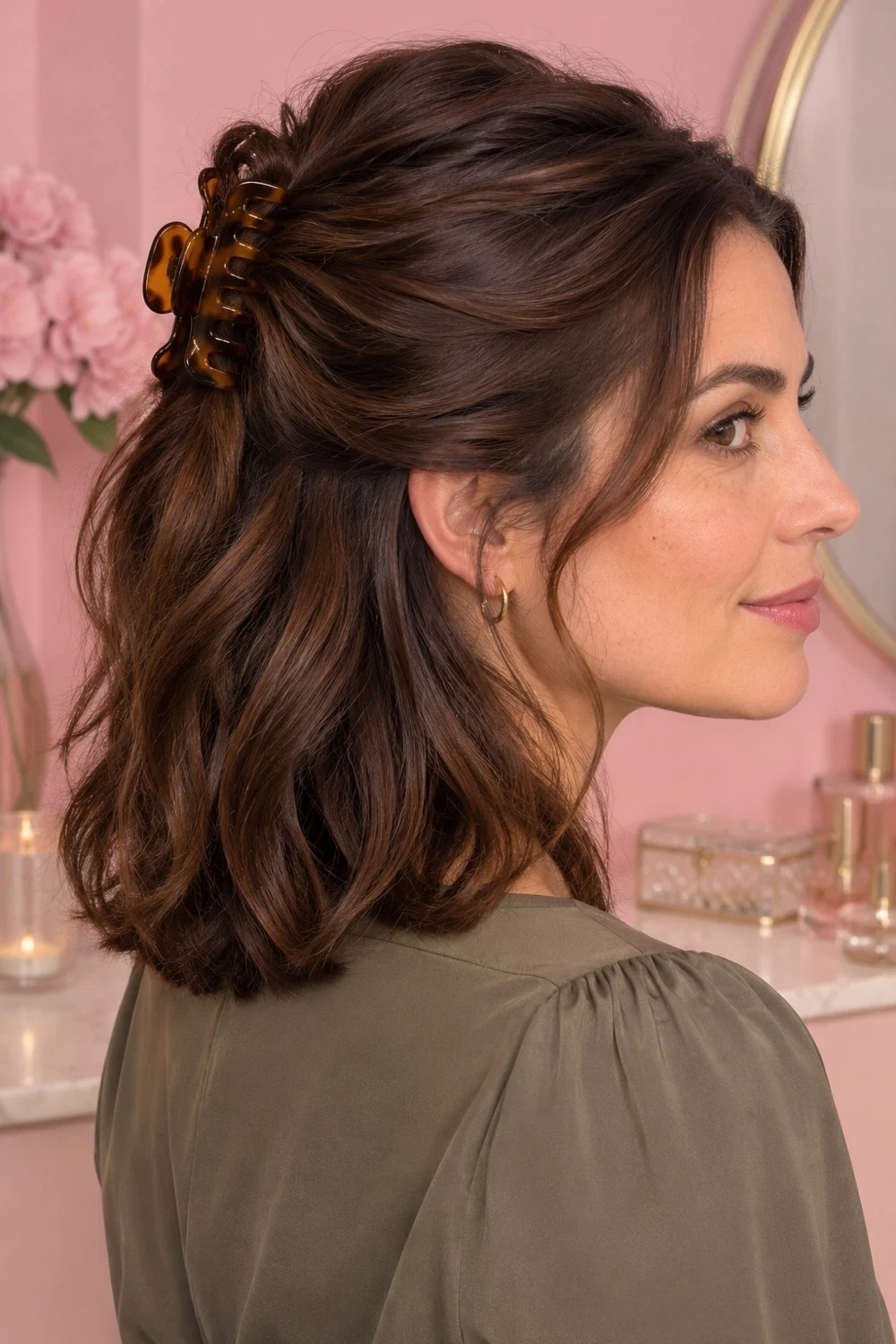
A half-up claw clip moves some of the thickness away from your face while leaving the shoulder-length ends loose. Gather the crown and temple sections and secure only as much hair as the clip comfortably holds.
Choose a smooth clip that grips without pulling. Leave the lower hair straight, wavy or curly rather than restyling it just for the clip. A couple of loose front pieces can keep the finish relaxed.
12. Braided Half-Up Style
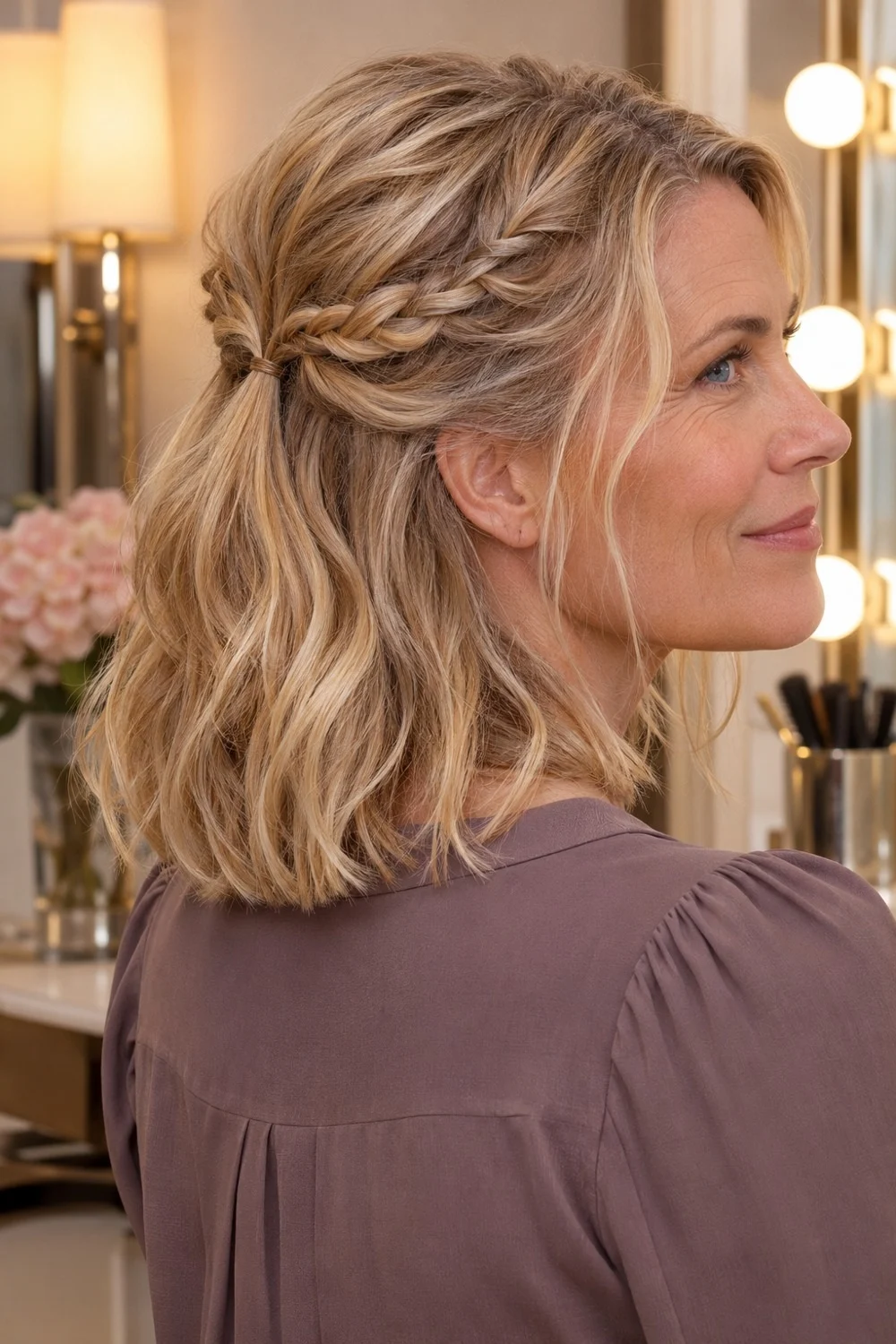
Two small temple braids give a half-up style a little more detail and help hold the front pieces back. Join them at the back with a small elastic or suitable pins, leaving the lower hair loose.
Keep the braids comfortable rather than tight against the hairline. This style can work for an ordinary day or an event without gathering all the hair. At shoulder length, a few shorter pieces may remain loose, which is fine.
13. Sleek Deep Side Part
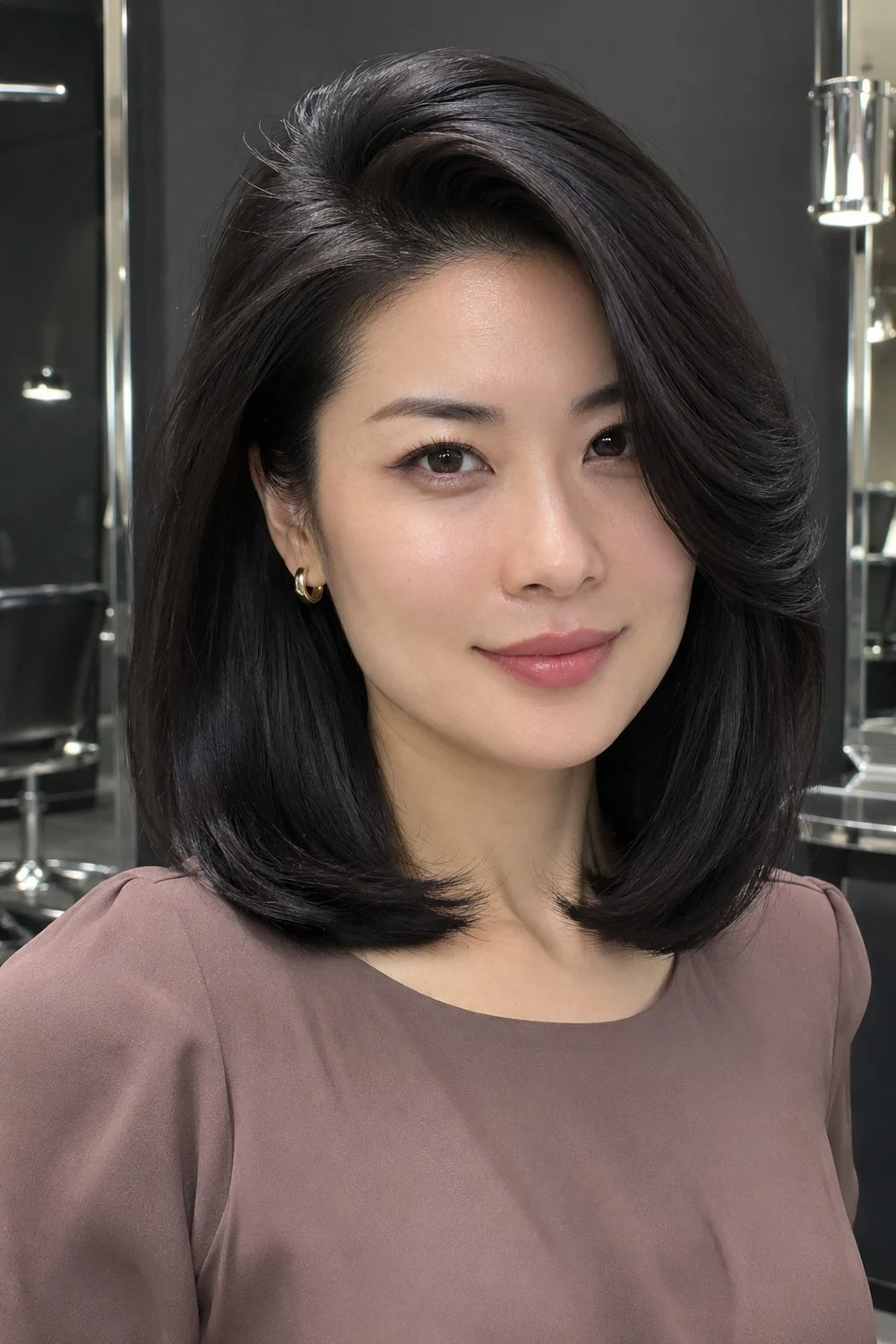
A deep side part changes the balance of a shoulder-length cut without needing a new fringe. The fuller side creates a sweep across the front, while the other side can sit closer to the head.
Try the part while the hair is damp and see how it settles. If you want a sleek finish, style in sections and use heat protection when needed. Keep the hold flexible so the sweep still moves.
14. Smooth Style With Flipped Ends
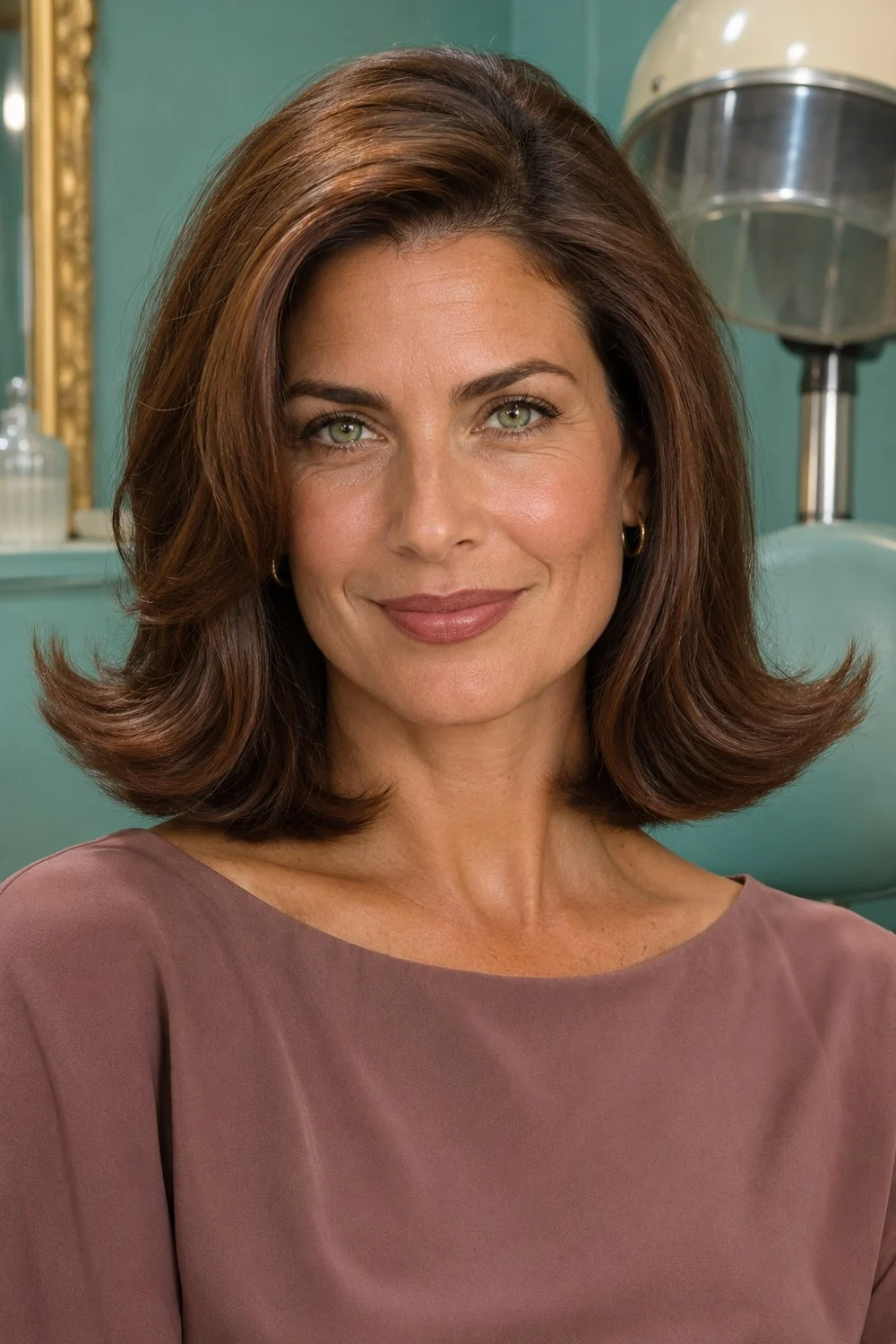
Flipped ends put the detail at the bottom of an otherwise smooth cut. The shape is clearest when the ends sit near the shoulders and curve outward, with the crown kept relatively controlled.
Shape the final section of the lengths rather than curling all the hair. Use heat protection and a suitable lower setting if you use hot tools. This is a styling option, so consider the time it takes before treating it as your everyday finish.
15. Tucked-Behind-the-Ear Lob
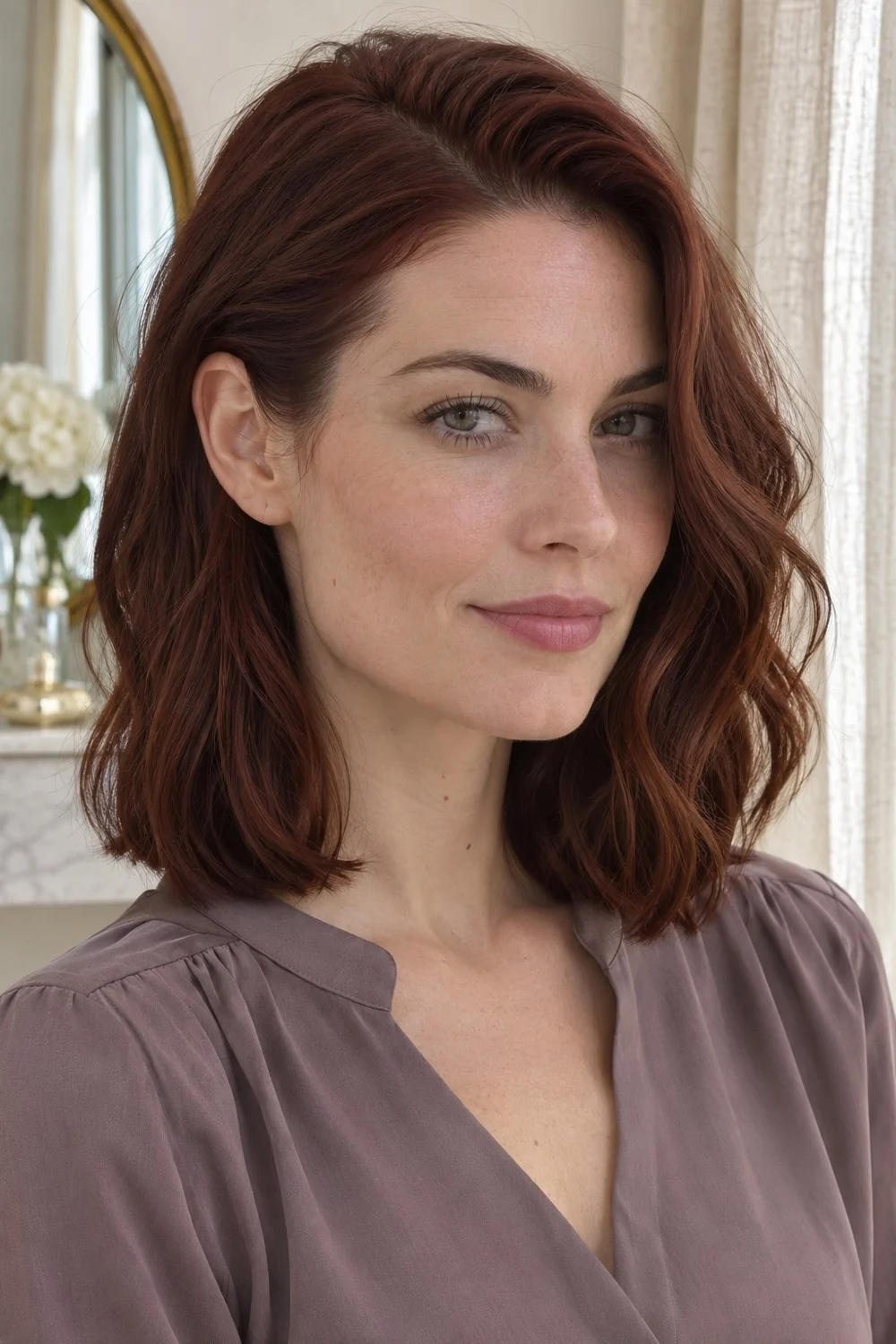
Tucking one side behind the ear is a small change that reveals the cut and keeps hair away from your face. It works with a smooth lob or a softer, naturally bent finish.
Use a discreet pin if the section slips rather than repeatedly forcing it into place. A side or off-center part makes the difference between the two sides more visible. Keep any smoothing product light around the temple.
16. Relaxed Low Ponytail
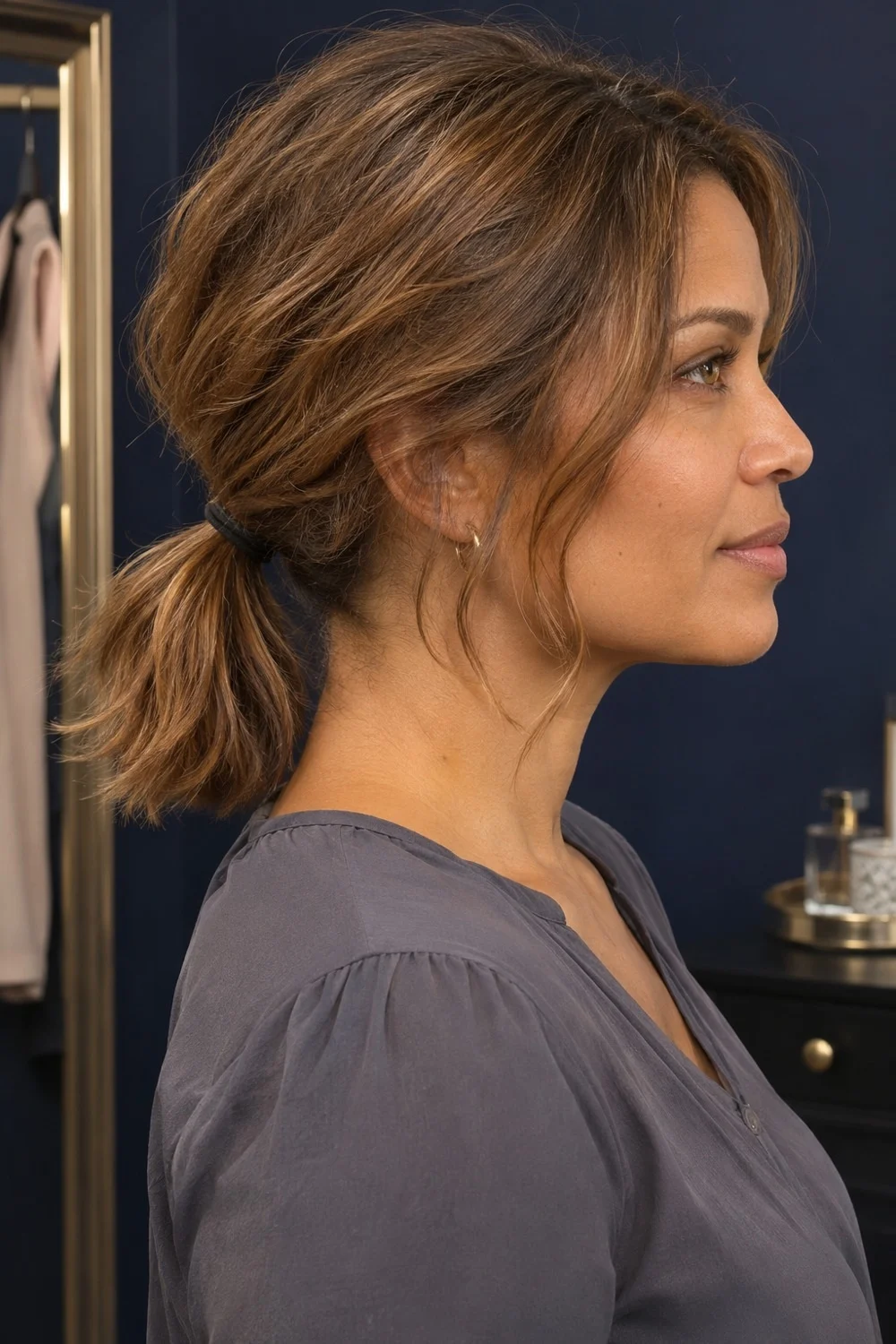
A relaxed low ponytail gathers the hair at the nape without asking for a perfectly flat crown. The short tail can keep its natural texture, and face-framing pieces can stay loose.
Choose an elastic that holds comfortably without snagging. Adjust or loosen the style if it pulls instead of continually tightening it. Whether every layer reaches the band depends on the cut, so check that before choosing shorter front pieces.
17. Low Twisted Bun
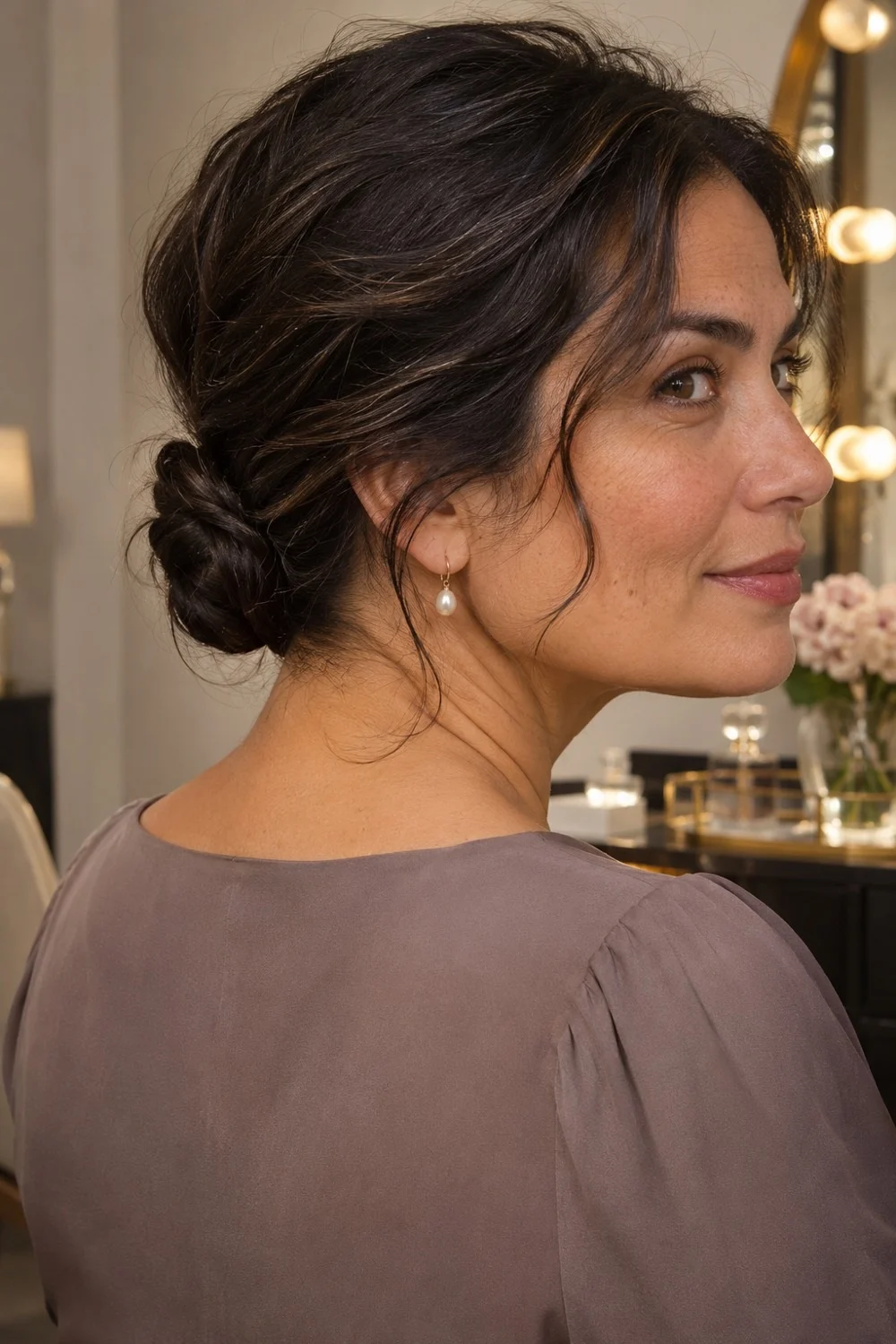
A low twisted bun gives shoulder-length hair a compact shape for work or an evening out. Gather at the nape, twist loosely and secure with suitable pins or a small clip.
The bun will be smaller than one made with long hair, and shorter layers may need a pin or stay loose. Don’t force a tight twist to contain every piece. A soft surface and a few front strands suit this relaxed version.
18. Easy Shoulder-Length Blowout
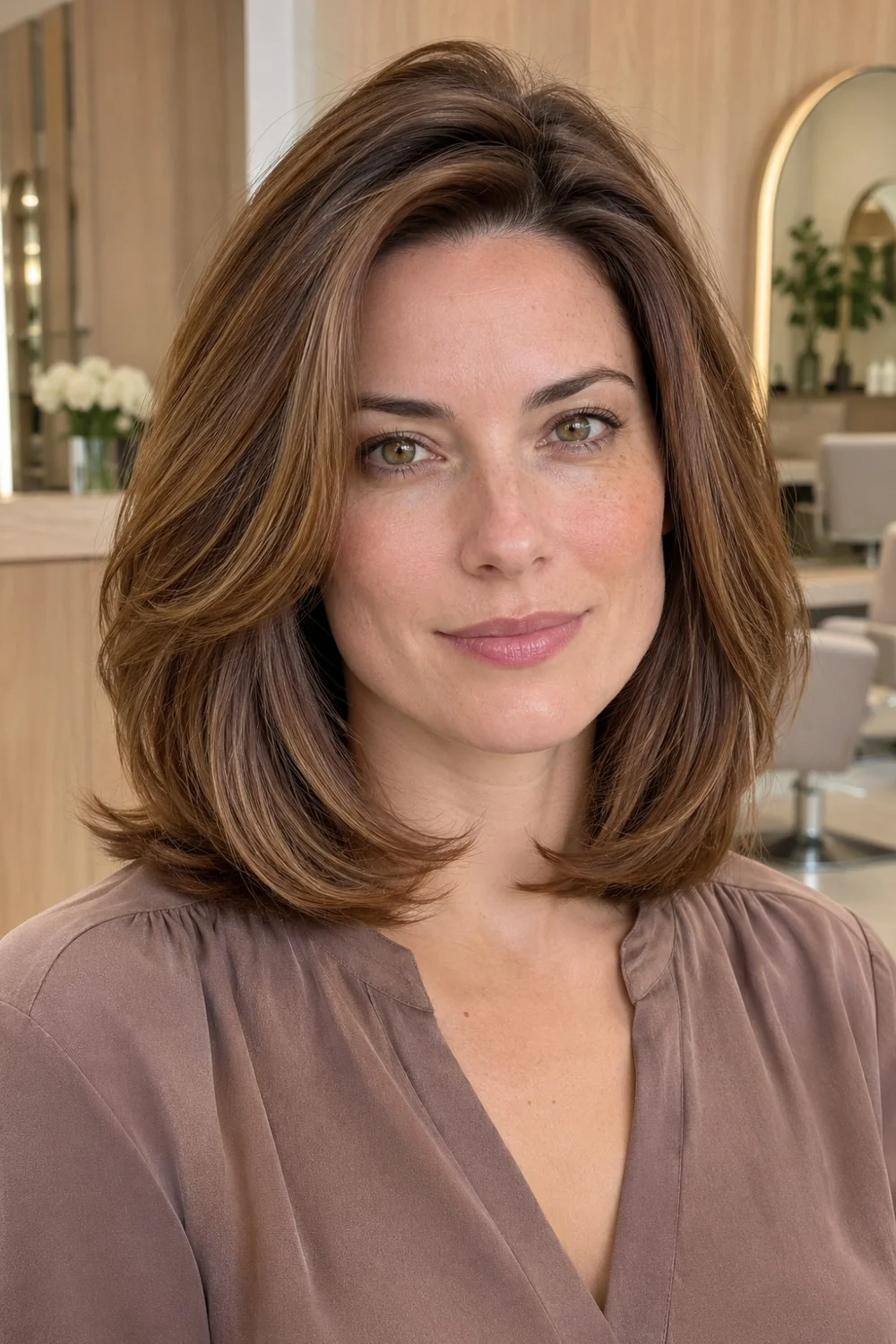
A simple blowout can give a shoulder cut gentle root lift and curved ends without creating tight curls. Long, blended layers help show the movement, but the finish still takes time to produce.
Use heat protection, manageable sections and a setting suited to your hair. Let the shaped sections cool before loosening them. How long the result lasts will vary with your texture, weather and routine, so plan for touch-ups rather than a guaranteed number of days.
Tips for Managing Thick Shoulder-Length Hair
Start with the shape you want before deciding how much weight to remove. Tell your stylist where you like fullness and where it feels difficult to manage. The amount and position of the layers should support that goal.
Explain your normal drying method. A cut shown in a polished blowout may look different when air-dried, and curls or coils may sit at a different length when dry. Bring references that resemble your texture where possible.
Keep the routine focused on what you need: gentle detangling, suitable conditioning and small amounts of styling product. When using heat, protect the hair and work in sections rather than relying on higher temperatures or repeated passes.
Choose clips, pins and elastics that hold comfortably. If you regularly tie your hair back, mention that before shortening the front or crown. Ask about a trim schedule that suits the cut and the amount of upkeep you’re happy to do.