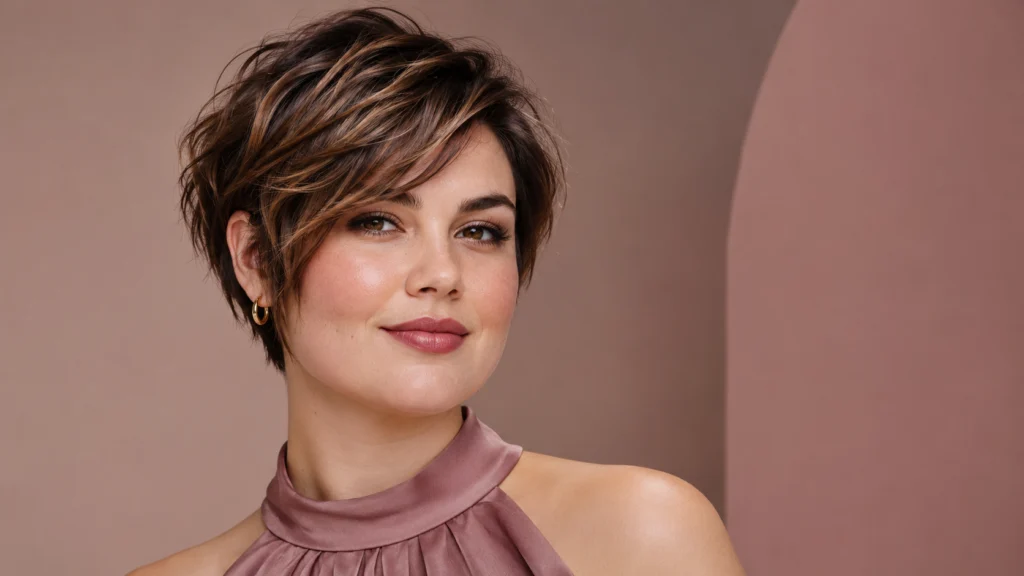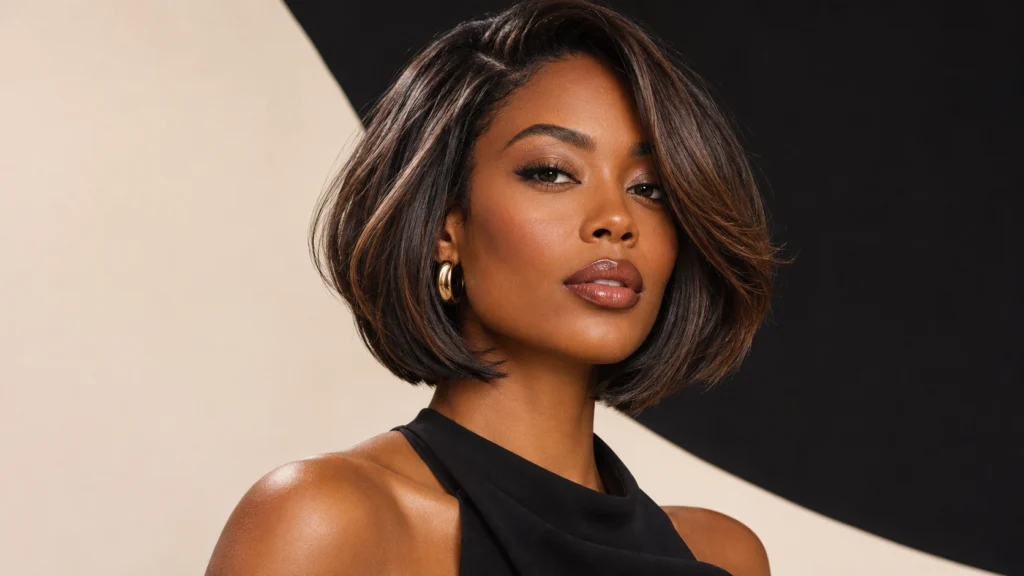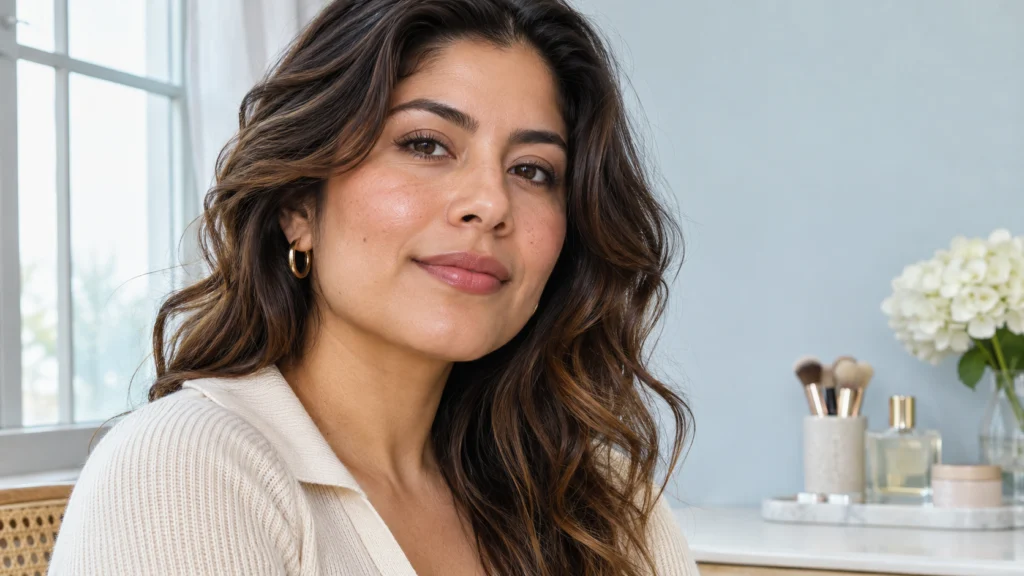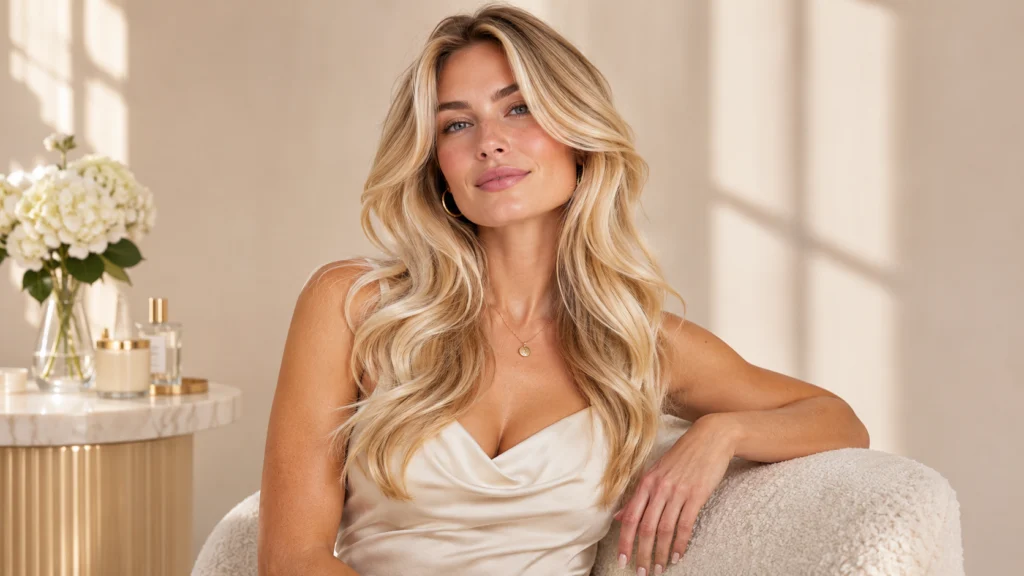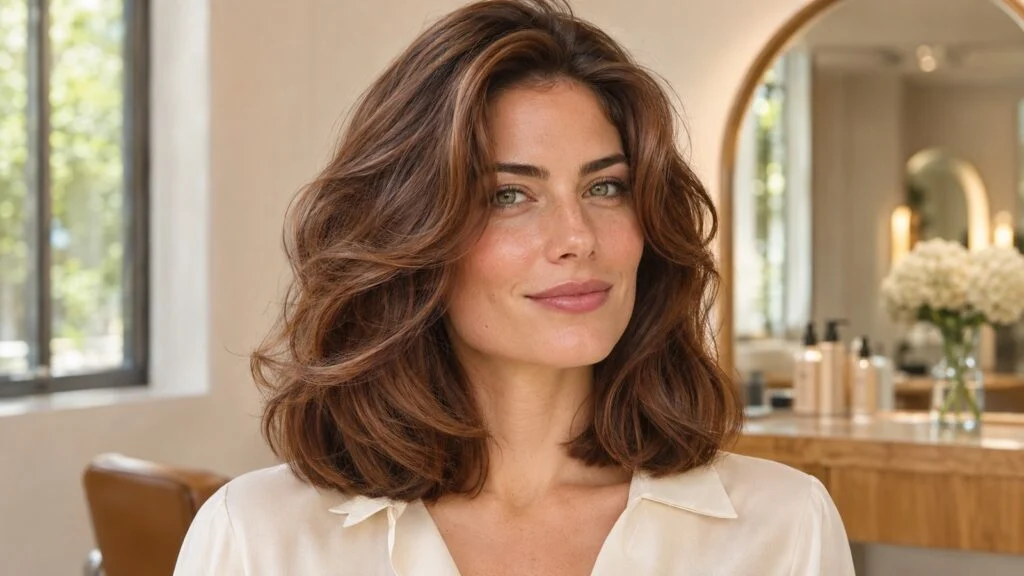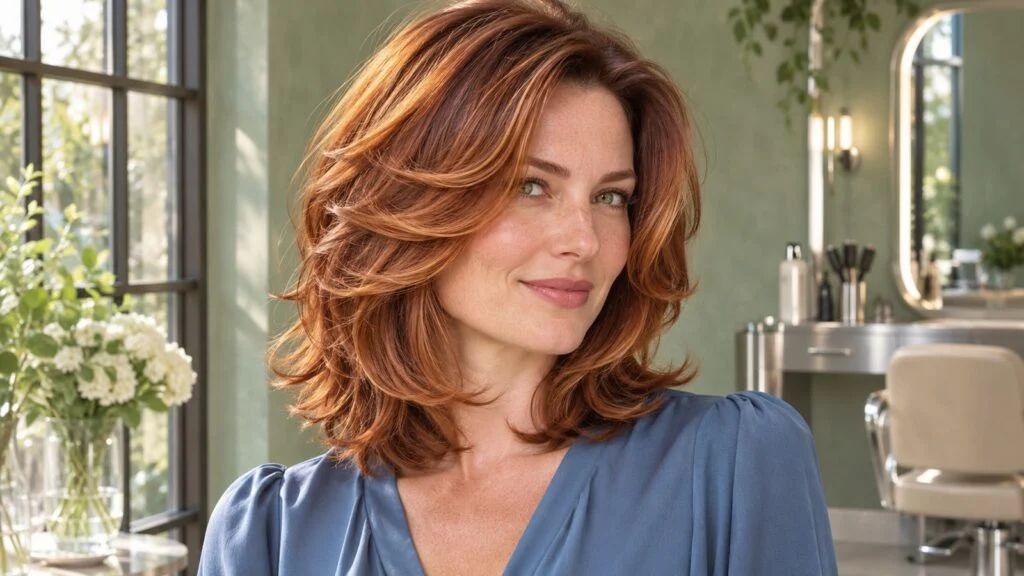
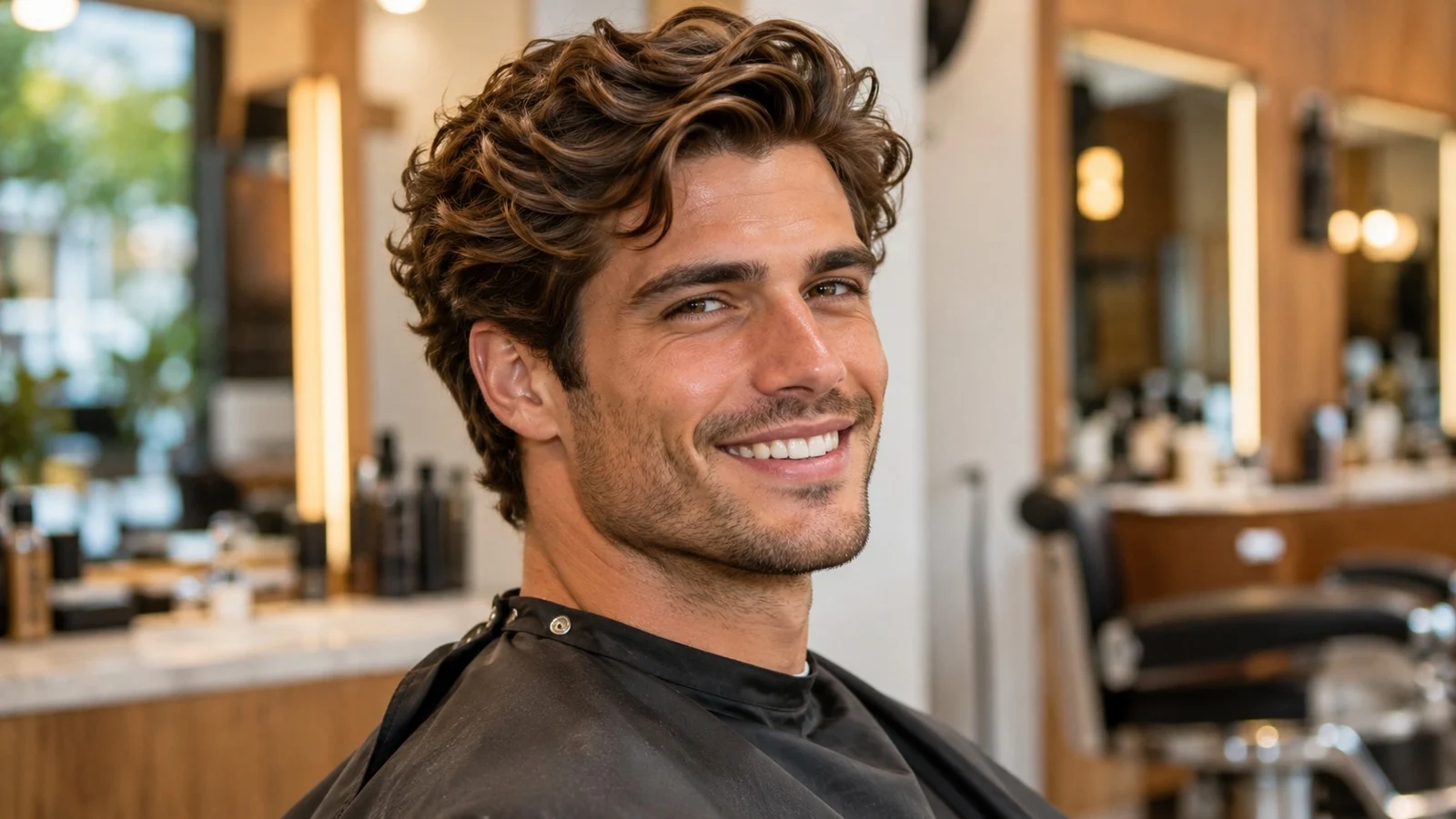
The haircut in a reference photo is only part of the story. The way your hair bends, its density and the time you want to spend styling it all affect how that shape will look on an ordinary morning.
These 15 ideas give you a starting point for the barber’s chair. Look for a texture close to yours, bring a photo and talk through how the cut will sit after your usual wash and dry routine.
1. Textured Quiff for Thick Straight Hair
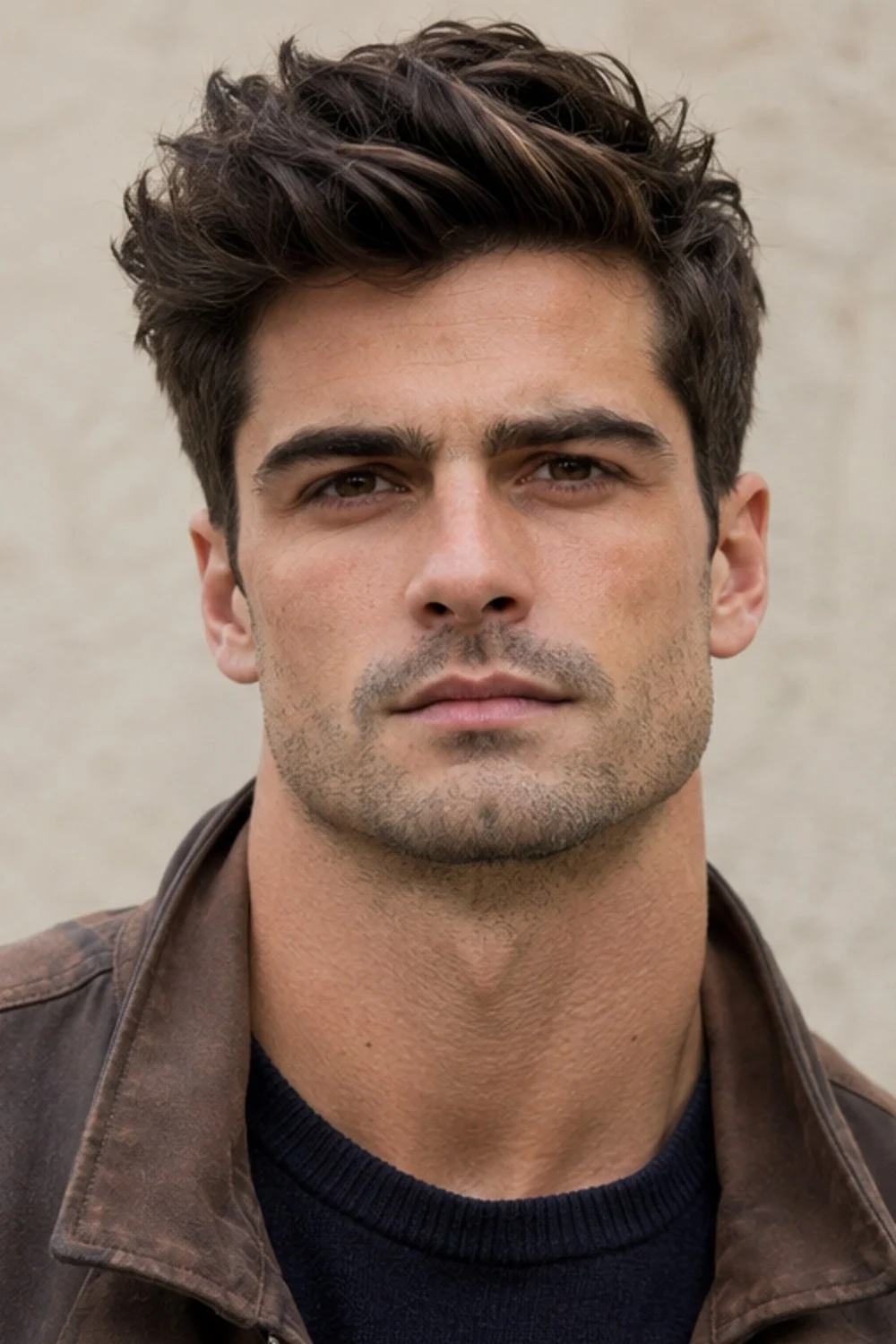
Thick straight hair gives a quiff plenty of support. Ask your barber to leave length at the front and remove enough bulk for it to bend easily. Try the lift with your fingers before leaving the chair. A small amount of styling product is easier to build up than a heavy first application.
2. Side-Parted Crop for Fine Straight Hair

A short side-parted crop can work well when fine hair falls flat. Ask for a soft part and enough length on top to overlap naturally. Try a light styling product sparingly so the strands keep their movement. Check the shape in daylight, where you can see how it sits.
3. Slick-Back Taper for Coarse Straight Hair
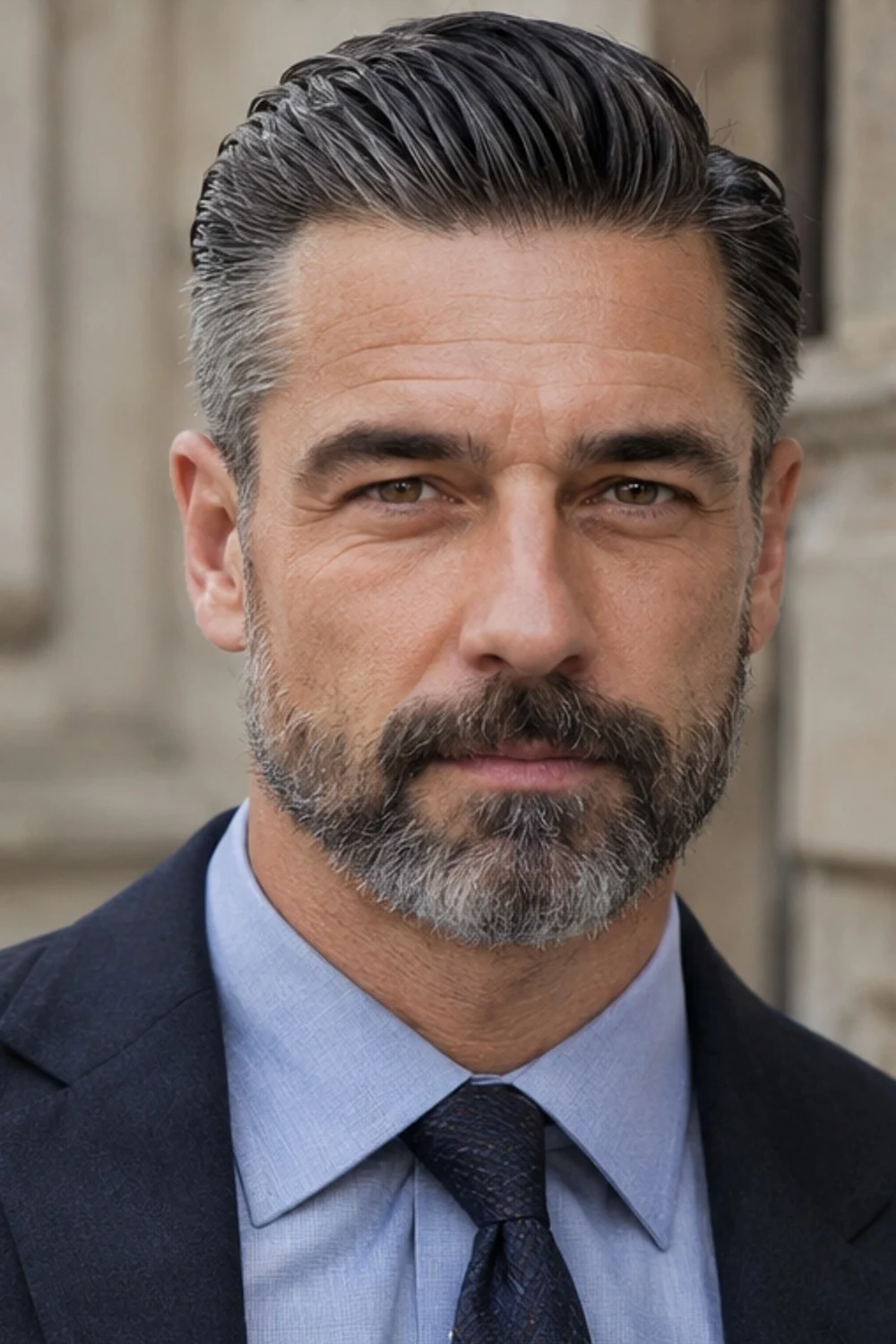
Leave enough length on top for coarse straight hair to bend backward. Your barber can help reduce bulk while keeping the ends substantial. Comb it back while damp and see how much hold it needs as it dries. A softer finish can make the style easier to reset during the day.
4. Medium Textured Flow for Thick Wavy Hair

Let your waves show their usual pattern before the appointment. A medium flow needs enough length to bend, with layers that stop the sides feeling heavy. Ask how to dry it in the direction you want. A loose strand near the temple can be part of the look.
5. Messy Fringe for Fine Wavy Hair

A forward fringe gives fine waves room to overlap. Keep it clear of the eyes at its normal dry length and avoid taking out too much weight. Work a small amount of light product through damp hair, then let the bends settle. Separate only the pieces that need it.
6. Modern Side Part for Medium Wavy Hair

Find where your hair naturally parts before asking for a sharp line. A scissor-cut top can leave enough movement for the waves, while a gentle taper tidies the edges. Brush the front into place when damp and let the rest follow. The part can stay soft for an everyday finish.
7. Curly Taper Fade for Loose Curls
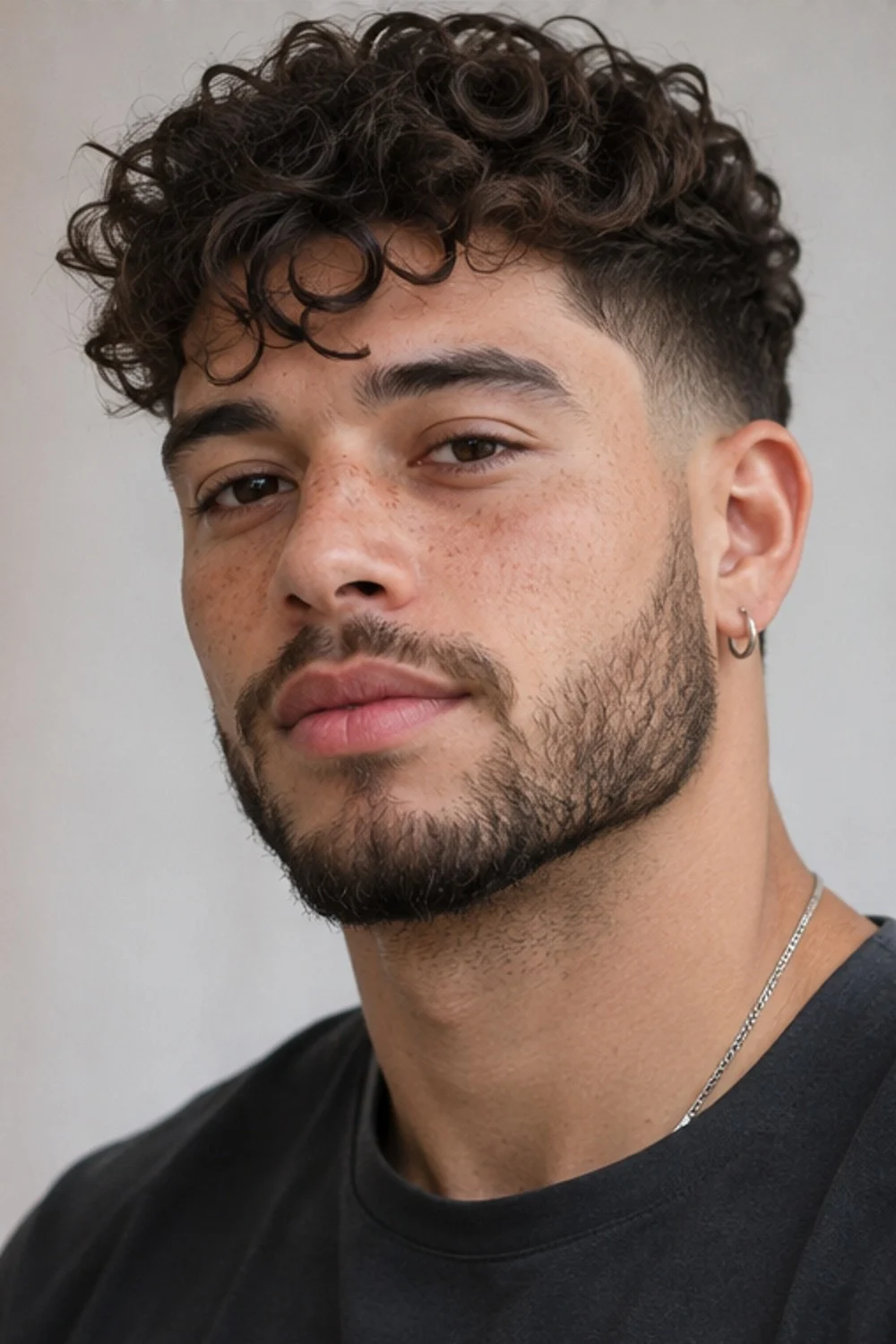
Let your barber see the curls in their usual dry shape before choosing the length. Keep enough on top for the ringlets to form and use a gradual taper around the ears. Refresh flattened curls with damp hands and a little suitable styling product if needed. Avoid fussing with them as they dry.
8. Short Rounded Afro for Tight Curls
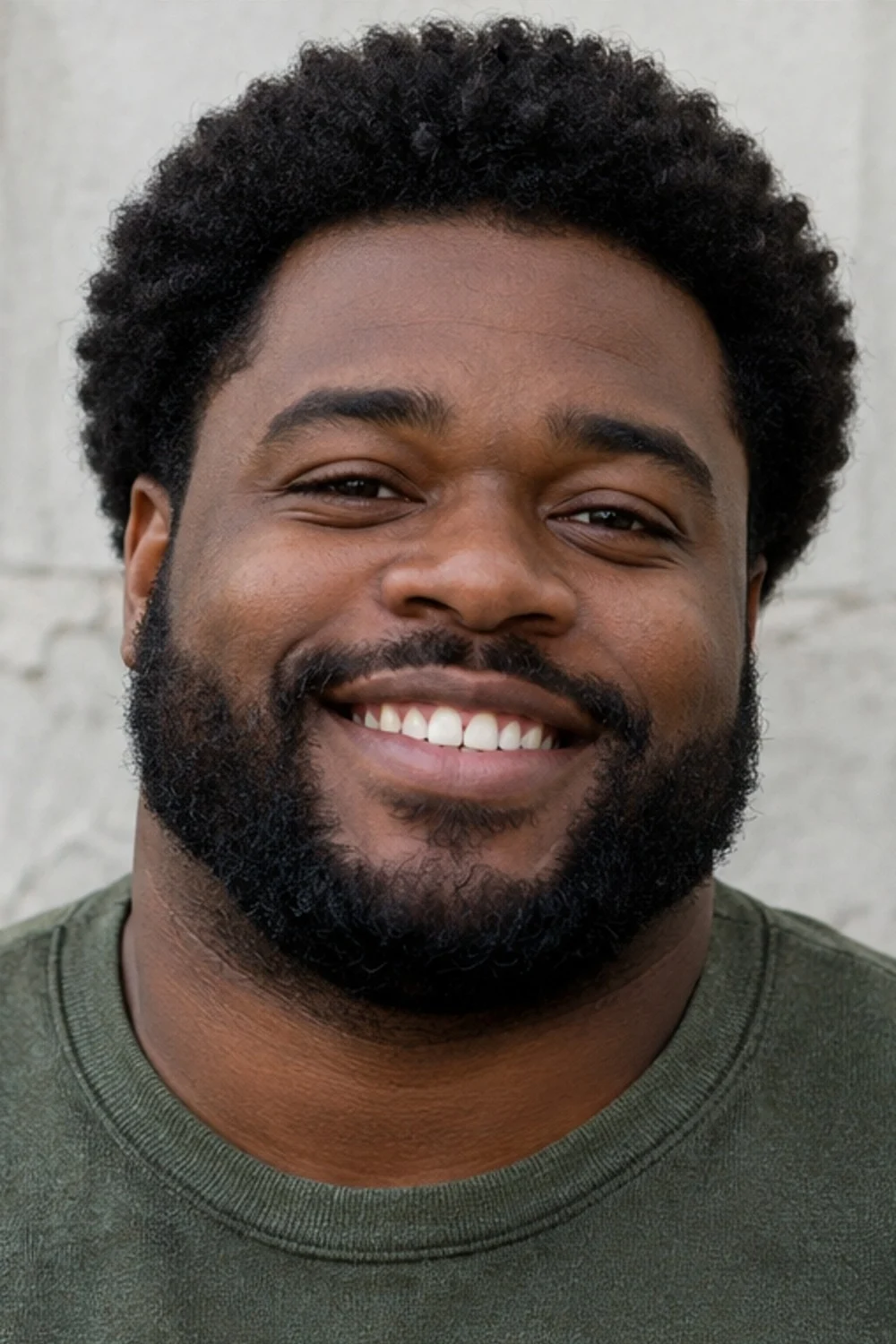
A rounded Afro works best when the outline follows the way your tight curls sit. Ask for an even shape and a subtle taper if you prefer a softer edge. Discuss the amount of shrinkage you see after washing. Your usual care routine should help guide the finished length.
9. Defined High-Top Fade for Coily Hair
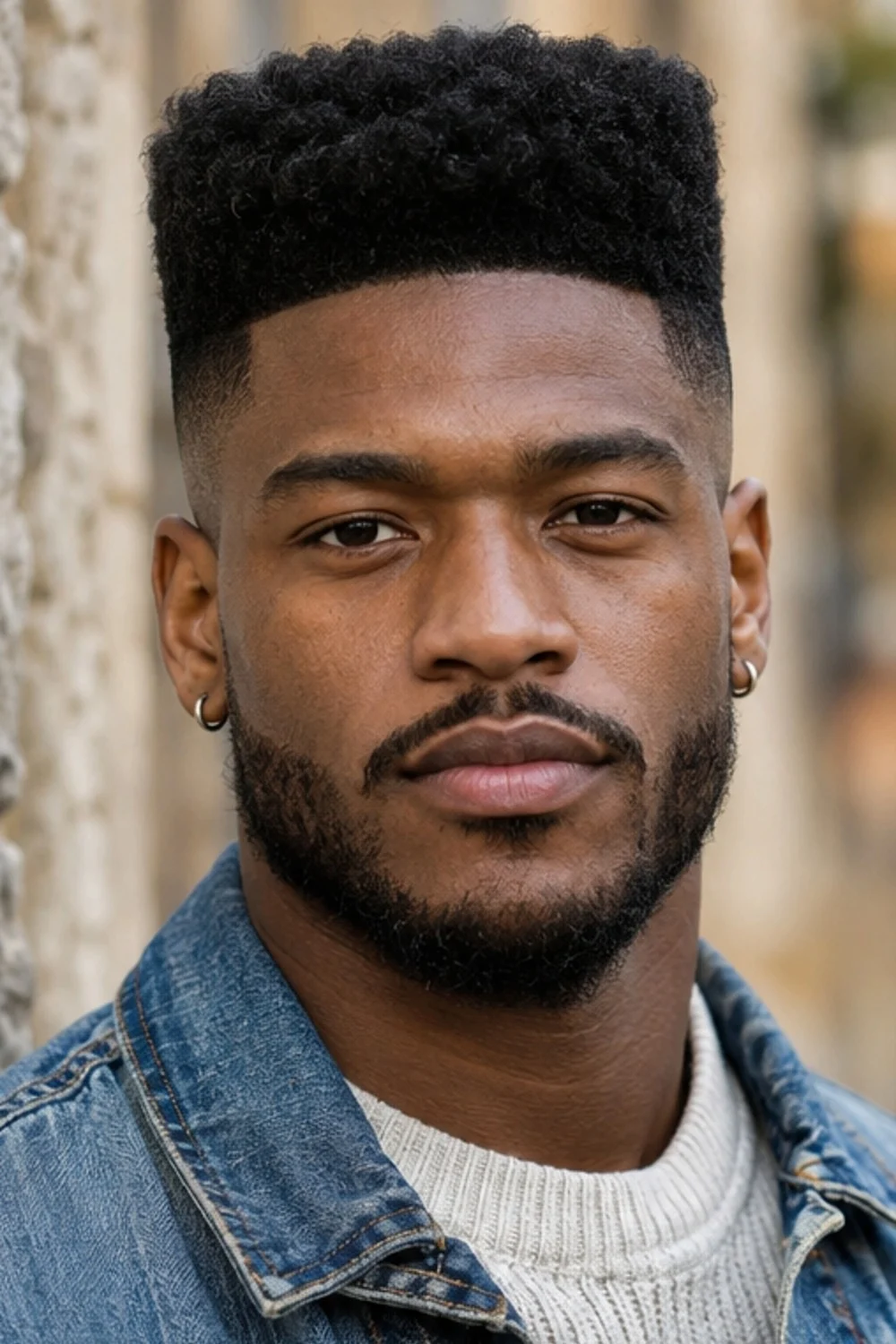
A high-top gives coily hair a defined vertical shape. Bring a reference showing the height and edge you want, then ask how often that outline will need tidying. A slightly softer finish can be easier to maintain. Work with your natural coil pattern when shaping it between appointments.
10. Textured French Crop for Thinning Hair

A short French crop directs the hair forward and can make styling a thinner top simpler. Ask for gentle texture without excessive thinning through the cut. Try a light, matte finish and check how the fringe falls naturally. The result will depend on your density and growth pattern.
11. Buzz Cut With a Taper for a Receding Hairline

A buzz cut keeps the routine short and lets the hairline remain visible. Start with a longer guard if you’re unsure how close you want to go. A soft taper gives the sides some shape. Ask your barber how the length will grow out over the next few weeks.
12. Classic Pompadour for Very Thick Hair
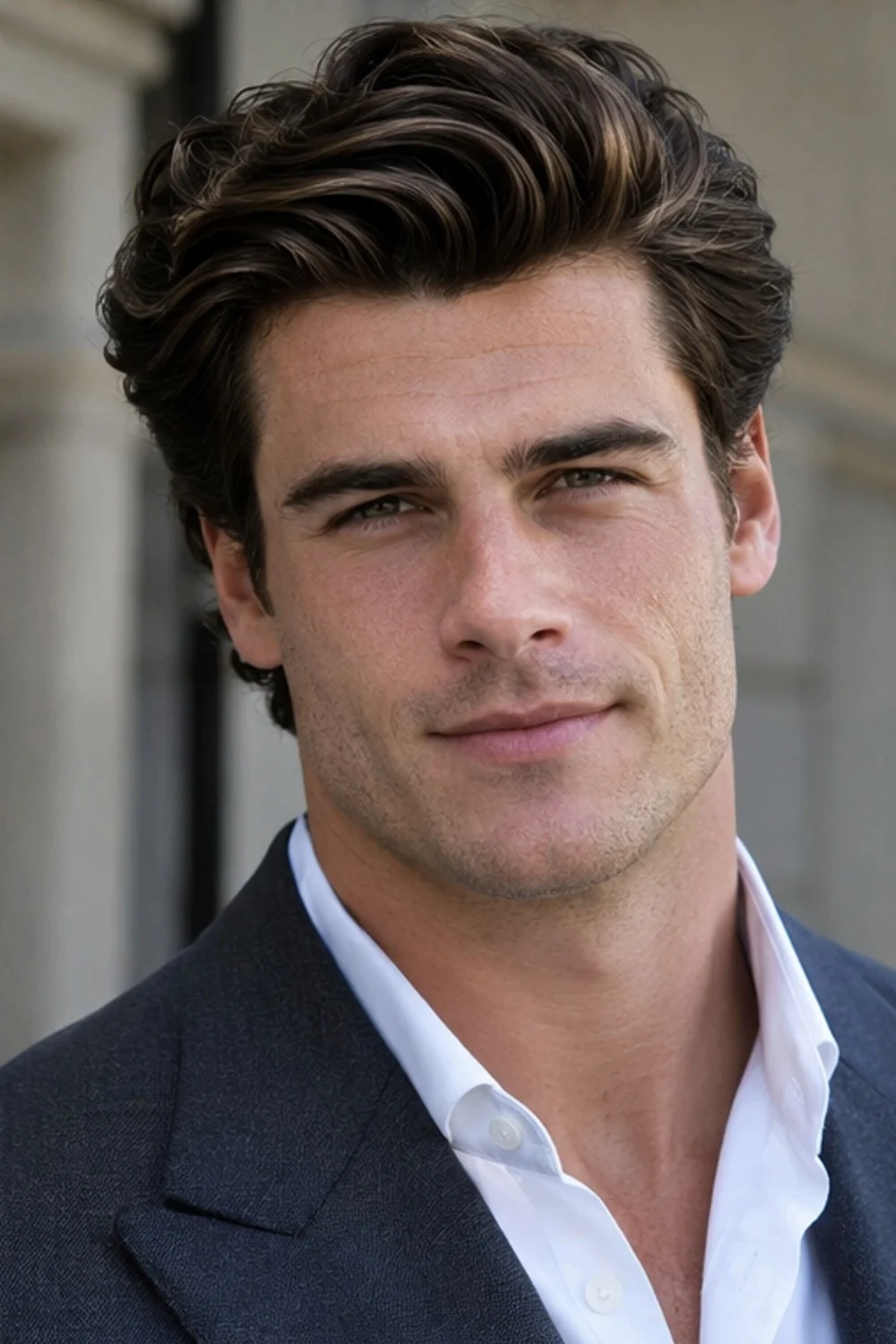
A pompadour uses length at the front to create its sweep. Very thick hair may need carefully placed layers so that sweep bends smoothly. Ask for a demonstration of the drying direction and the amount of product used. Choose this cut with its regular styling time in mind.
13. Shoulder-Length Layers for Long Straight Hair

Shoulder-length straight hair can benefit from a few layers around the face. Ask to keep enough weight at the ends for the outline you like. Check how it falls with your usual part and whether you can tie it back comfortably. Regular trims can help maintain the chosen shape.
14. Layered Bro Flow for Long Wavy or Curly Hair

Long waves or curls can sweep away from the face with layers that follow their movement. Show your stylist how the hair sits after your usual wash and dry routine. Ask where the shortest layer will land when dry. A little volume at the sides can be part of the relaxed shape.
15. Silver Side Part for Naturally Gray Hair

A side part shows the variation in naturally gray hair beautifully. Ask for a scissor-cut top and edges that fit the amount of styling you want to do. Try a softer sweep if a very defined part feels too formal. Choose products for your hair’s texture and finish preferences.
Choose a haircut you can enjoy between appointments
Arrive with your hair close to its everyday state so your barber can see the natural pattern. Explain how often you wash it, whether you use a dryer and how regularly you want trims. Before leaving, ask to practice the main styling movement yourself. That makes the cut easier to recreate at home.