

Healthy-looking skin rarely comes from using the most products. It usually comes from a short routine you can repeat, products your skin tolerates, and fewer moments of panic-buying after a breakout.
“Glow” is not a medical condition and it does not have to mean poreless or glass-like skin. Real skin has texture. In this guide, glowing simply means skin that feels comfortable, hydrated, and cared for. If you have persistent acne, painful irritation, a changing mole, or another concern, a board-certified dermatologist is the right person to assess it.
1. Start by noticing what your skin is doing

Before buying anything, spend a week paying attention. Does your face feel tight after washing? Does shine appear everywhere or mainly through the center? Are you dealing with occasional spots, ongoing redness, flaking, or sensitivity to fragrance?
Your skin can also change with weather, hormones, medication, and stress. Choose products for the skin you have now rather than the label you once gave it. A simple note on your phone is more useful than trying three new treatments at once.
2. Cleanse gently, especially at night

Use a gentle, non-abrasive cleanser and lukewarm water. Massage with your fingertips instead of scrubbing with a rough cloth or brush, then pat dry. The American Academy of Dermatology advises limiting face washing to twice a day and after heavy sweating.
At night, cleansing removes sunscreen, makeup, excess oil, and the day’s debris. In the morning, some people like a small amount of cleanser; others with dry or sensitive skin are comfortable rinsing with water. The useful test is how your skin feels afterward: clean, not squeaky or tight.
3. Use treatment only for a clear reason
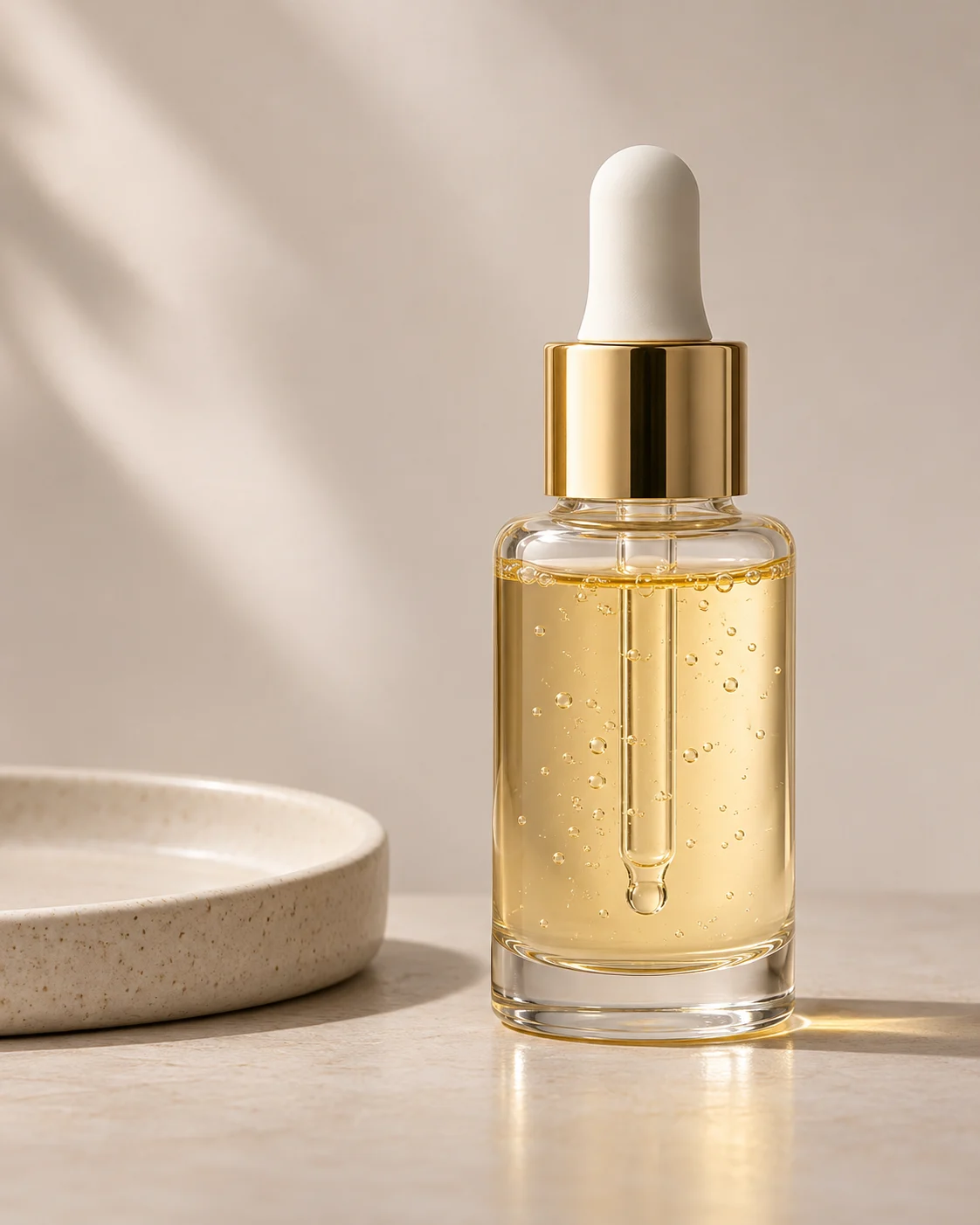
A treatment step is optional. It should address one defined concern, such as acne, uneven tone, or a product prescribed by your clinician. Apply medication or treatment after cleansing, following the label or your dermatologist’s instructions.
Resist the urge to stack several strong actives because each one sounds promising. More is not automatically better, and irritation can make dryness, redness, and breakouts look worse. Add one product at a time so you can tell what is helping.
4. Moisturize while the skin is slightly damp

Moisturizer helps trap water in the skin and supports a comfortable barrier. Apply it after cleansing while the skin is still a little damp. Lightweight lotions and gels may feel easier on oily skin, while creams and ointments can suit drier areas.
Oily skin can still need moisture. If you are acne-prone, look for wording such as non-comedogenic or “won’t clog pores.” Fragrance-free options can be a sensible starting point for skin that stings or reacts easily.
5. Make broad-spectrum SPF 30+ the morning finish
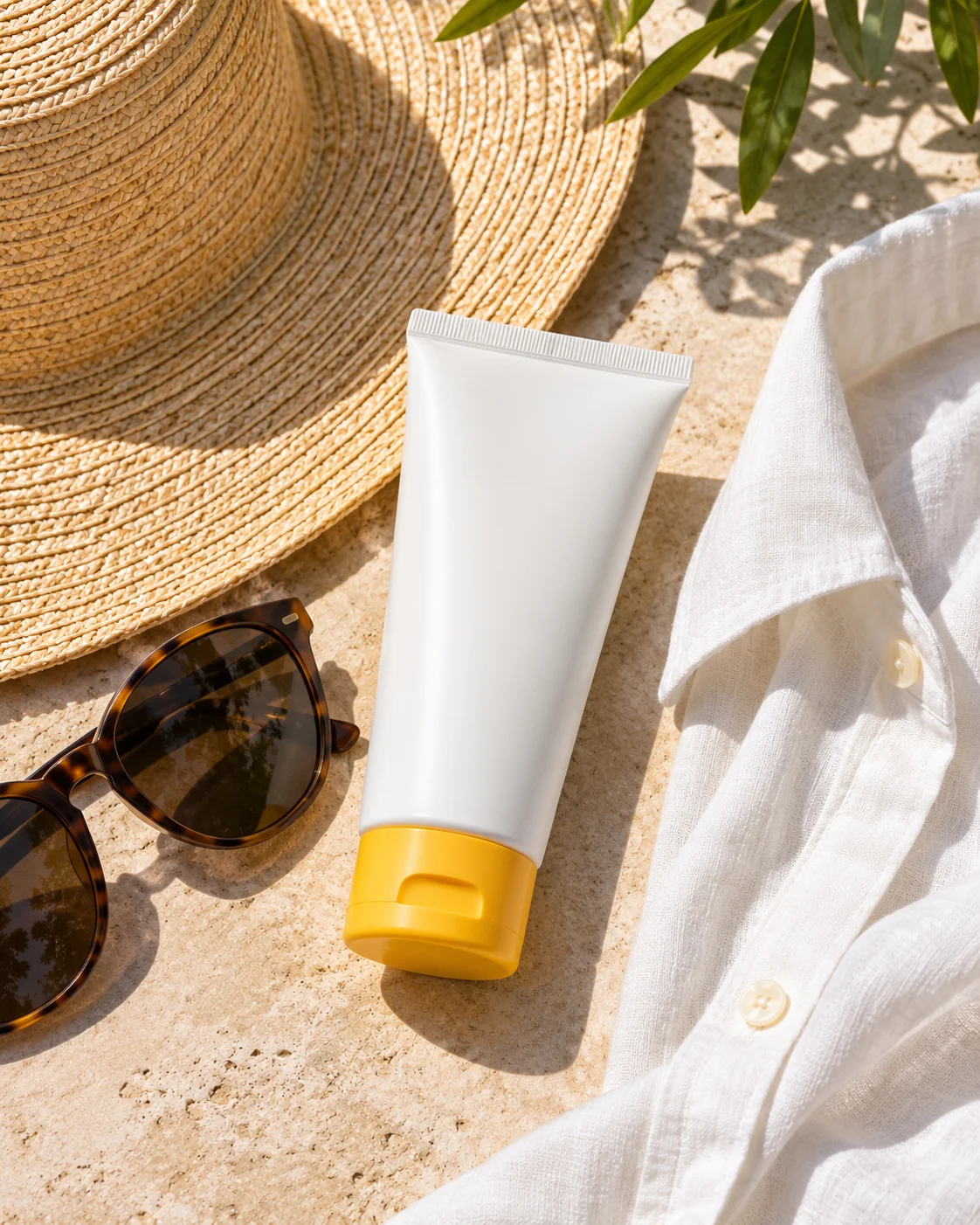
Sun protection is the step that does the most quiet work over time. The American Academy of Dermatology recommends a broad-spectrum, water-resistant sunscreen with SPF 30 or higher. Apply it to exposed skin, including commonly missed areas around the ears, neck, hairline, and hands.
When you are outdoors, reapply at least every two hours and after swimming, sweating, or toweling off, following the product label. Sunscreen is only one part of protection; shade, clothing, hats, and sunglasses matter too. Choose a texture you will willingly use rather than the product with the most impressive marketing.
6. Keep the morning routine short enough to repeat
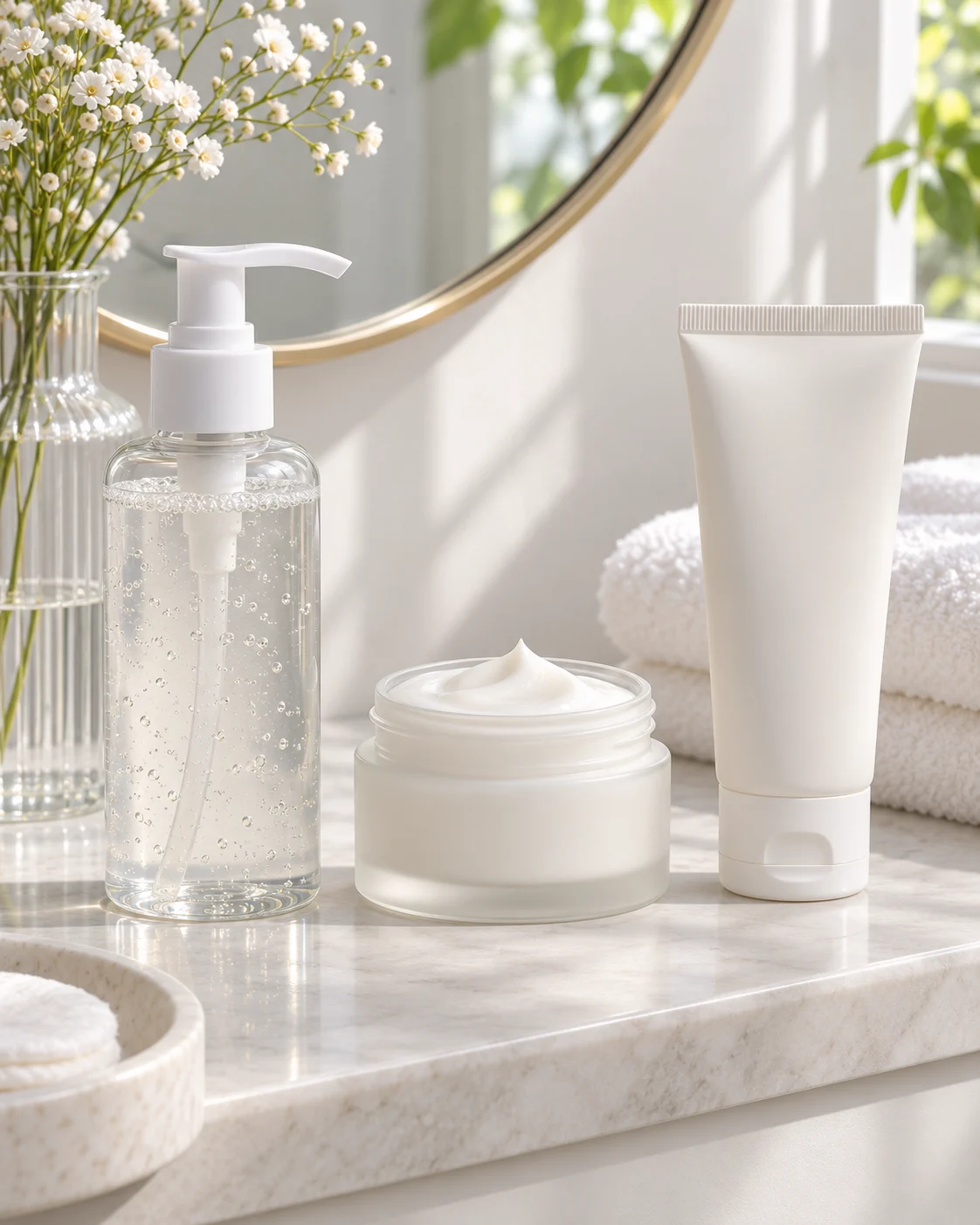
A dependable morning can be as simple as gentle cleanse or rinse, moisturizer if needed, and sunscreen. Makeup can follow. If you use a separate treatment, place it after cleansing and before moisturizer, unless its directions say otherwise.
Give each layer a moment to settle, but do not turn the routine into a 30-minute ceremony unless you enjoy that. Consistency matters more than the number of bottles on the shelf.
7. Let the evening routine do the repair work
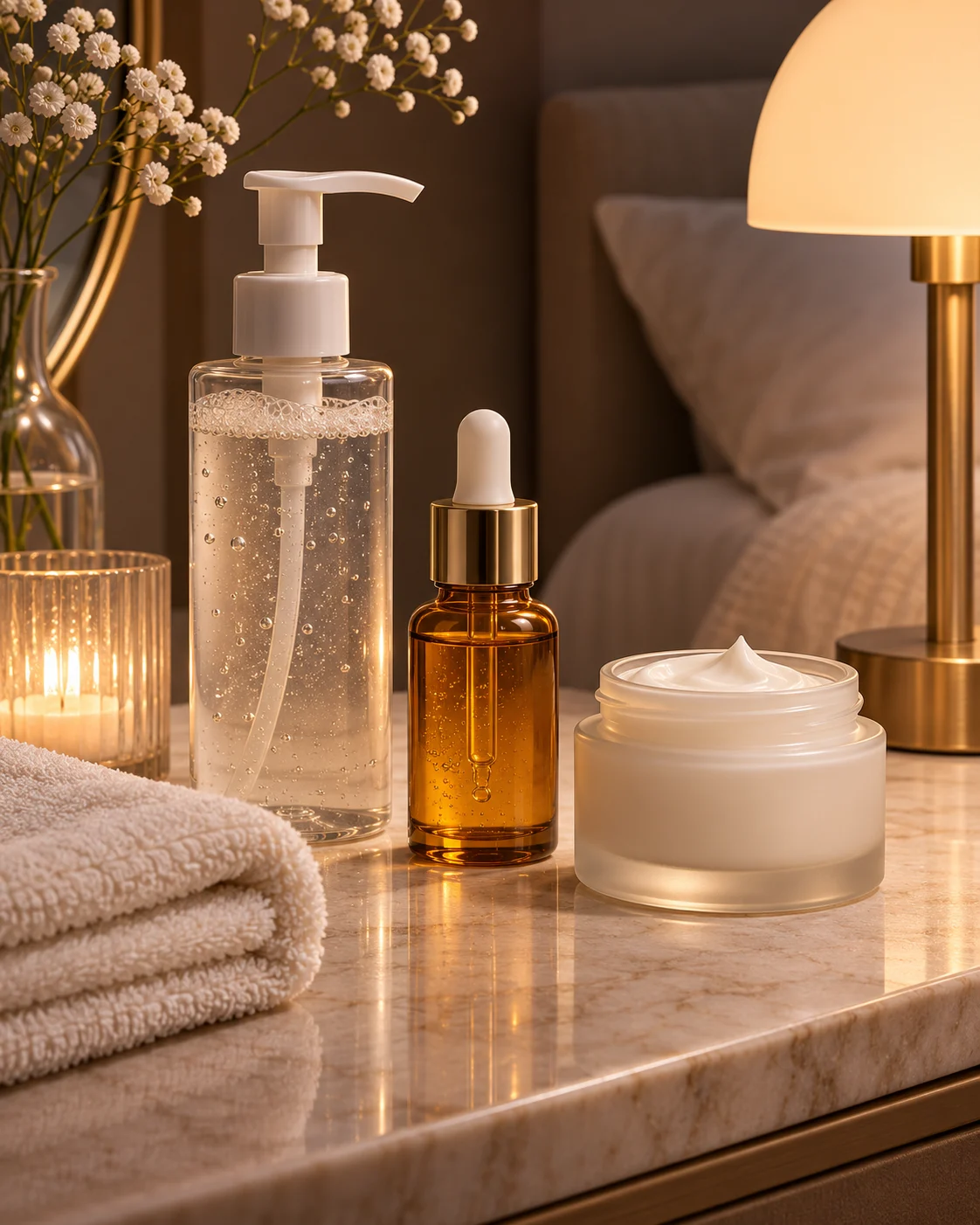
At night, cleanse thoroughly but gently, apply any planned treatment, and finish with moisturizer. If you wear heavy or water-resistant makeup, you may prefer a first cleansing step followed by a gentle face wash, but stop if the double cleanse leaves your skin tight.
A bland moisturizer is often enough on tired or irritated nights. Skipping a strong active when the skin feels sore is not losing progress; it is responding to what your skin is telling you.
8. Exfoliate only if your skin benefits from it

Exfoliation is not a daily requirement for healthy skin. If you choose to exfoliate, start conservatively and avoid combining several exfoliating products in the same routine. Redness, burning, tenderness, and sudden flaking are signs to pause.
Physical scrubs can be irritating when used aggressively, and chemical exfoliants also cause problems when layered too often. Follow the label, protect the skin from the sun, and give the routine time before deciding you need a stronger formula.
9. Introduce new products one at a time

When three new products arrive together, it becomes impossible to know which one caused the glow—or the rash. Add a single product, use it consistently as directed, and wait before changing the rest of the routine.
For reactive skin, test a small amount on a limited area first. Stop using a product that causes significant burning, swelling, blistering, or persistent irritation, and seek medical advice when a reaction is severe or does not settle.
10. Adjust the routine without starting over

Cold weather may call for a richer moisturizer; humid weather may make a lighter lotion more comfortable. Travel, illness, and a damaged skin barrier can all be reasons to simplify temporarily.
Change one variable, not the entire shelf. If breakouts or irritation continue despite a gentle routine, professional advice is more useful than another cycle of random products. Skincare should become easier as you learn your skin, not more confusing.
The routine that is most likely to work

Morning: gentle cleanse or rinse, treatment if appropriate, moisturizer if needed, and broad-spectrum SPF 30+ sunscreen. Evening: cleanse, treatment if appropriate, and moisturizer. That is a complete routine.
Use it long enough to notice patterns. Keep expectations humane, because pores, lines, freckles, and occasional spots are part of having skin. The goal is not to polish your face into a filter; it is to protect it, keep it comfortable, and notice when it needs expert care.
Editorial review basis: current public guidance from the American Academy of Dermatology and the U.S. Food and Drug Administration on cleansing, product order, moisturizing, and sunscreen use.