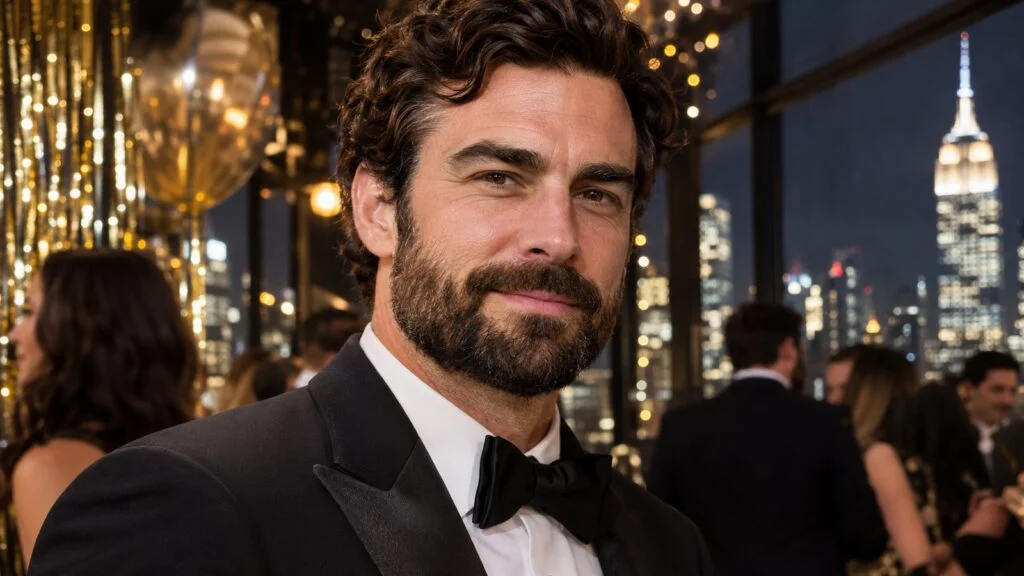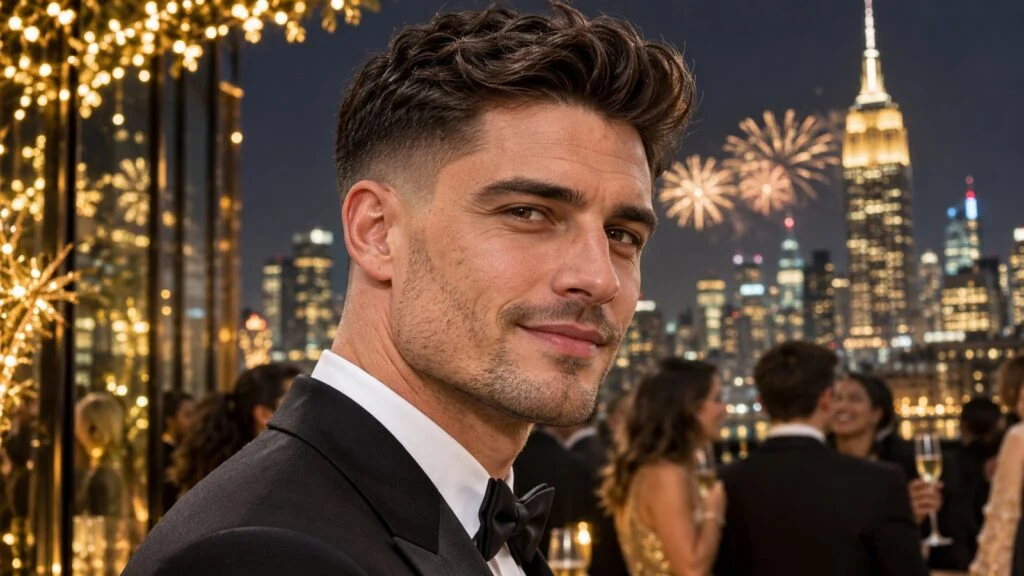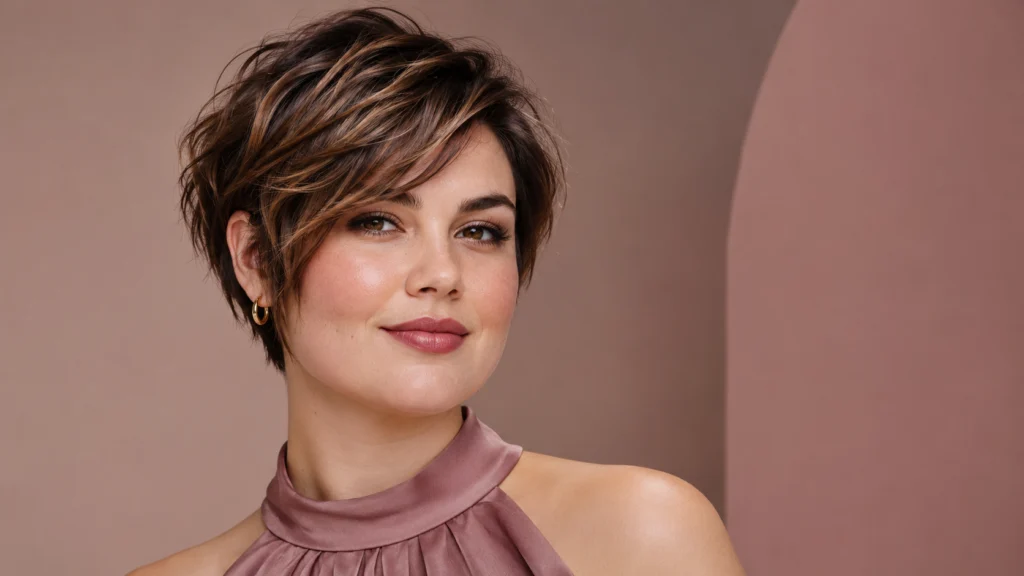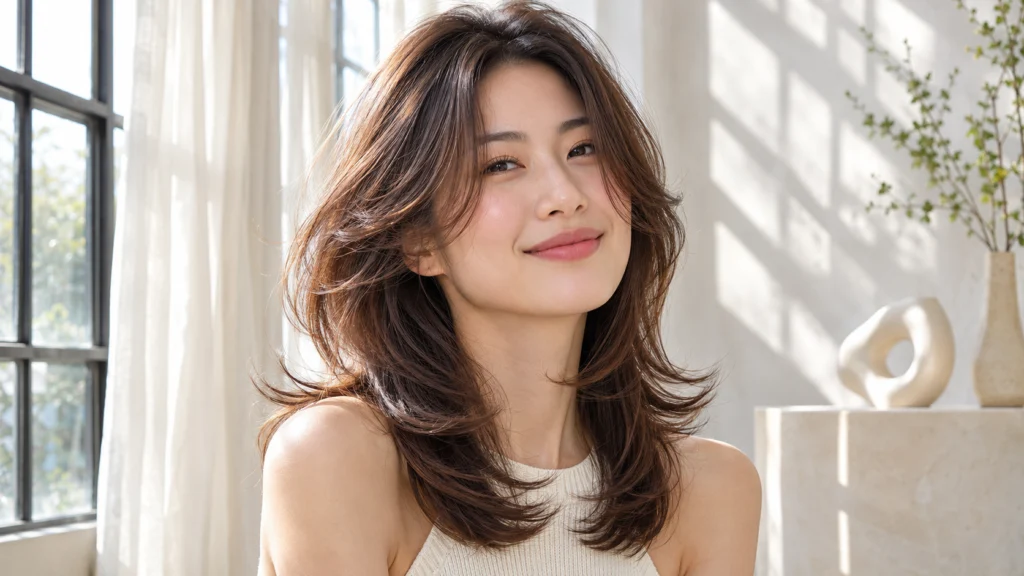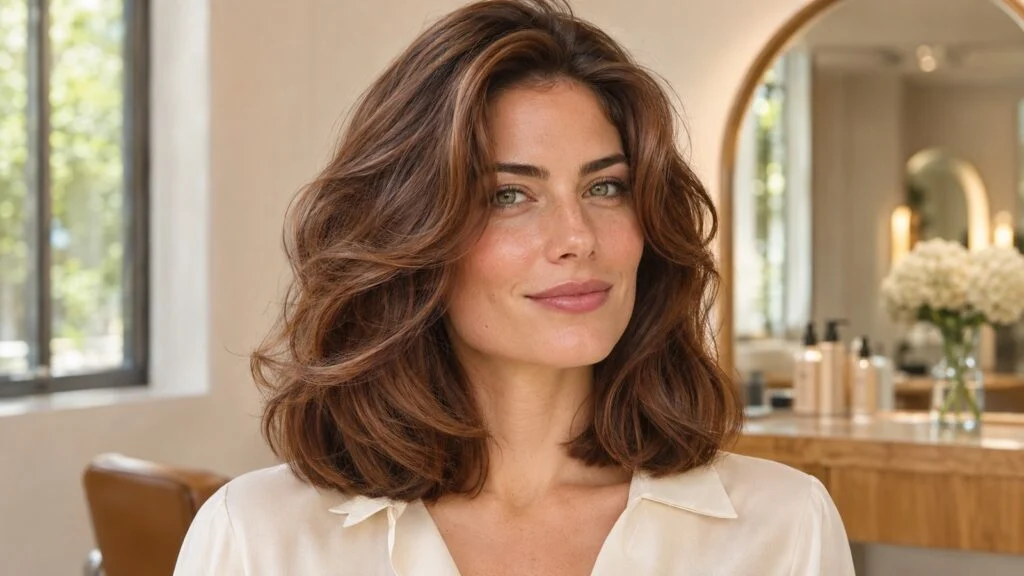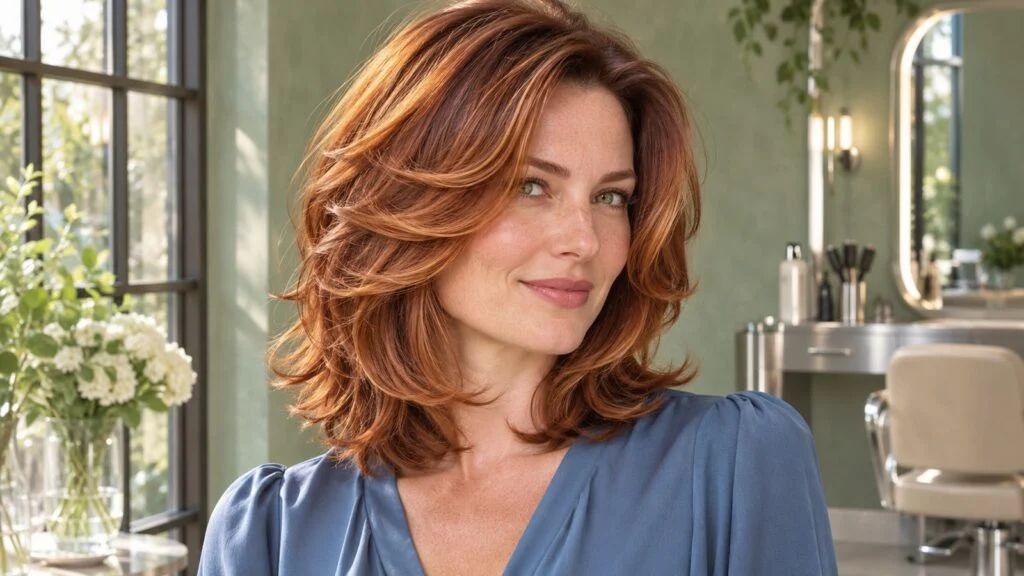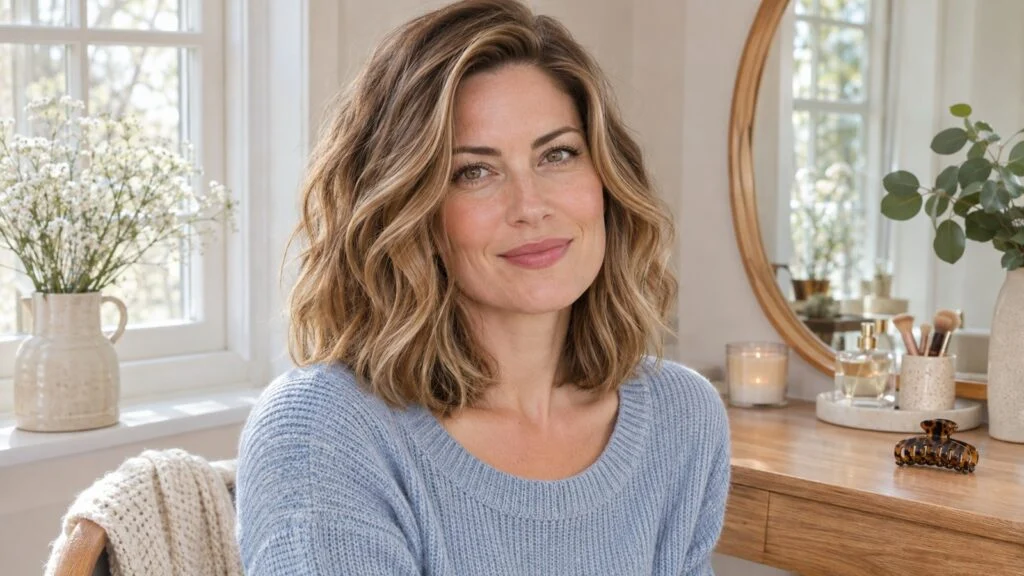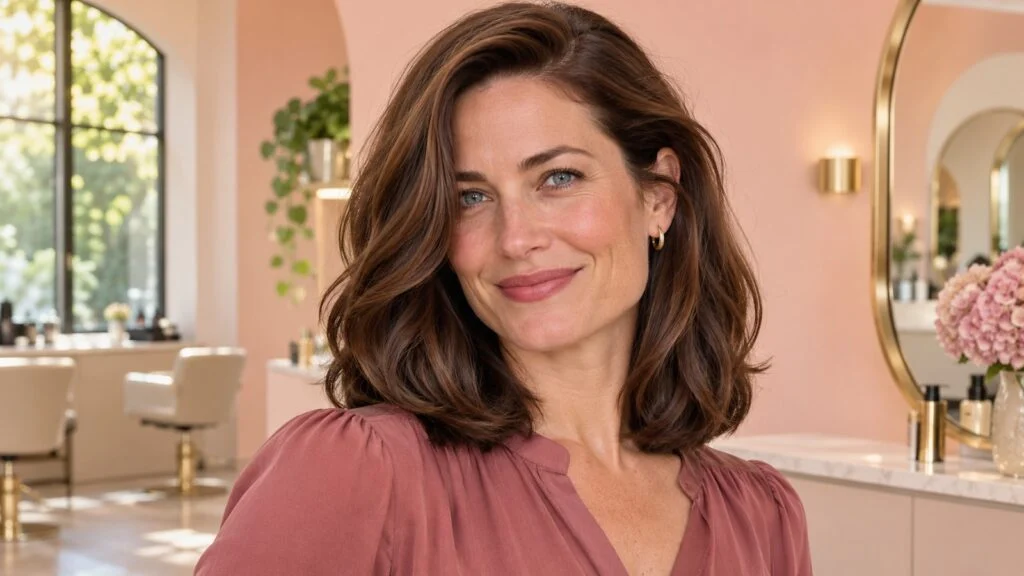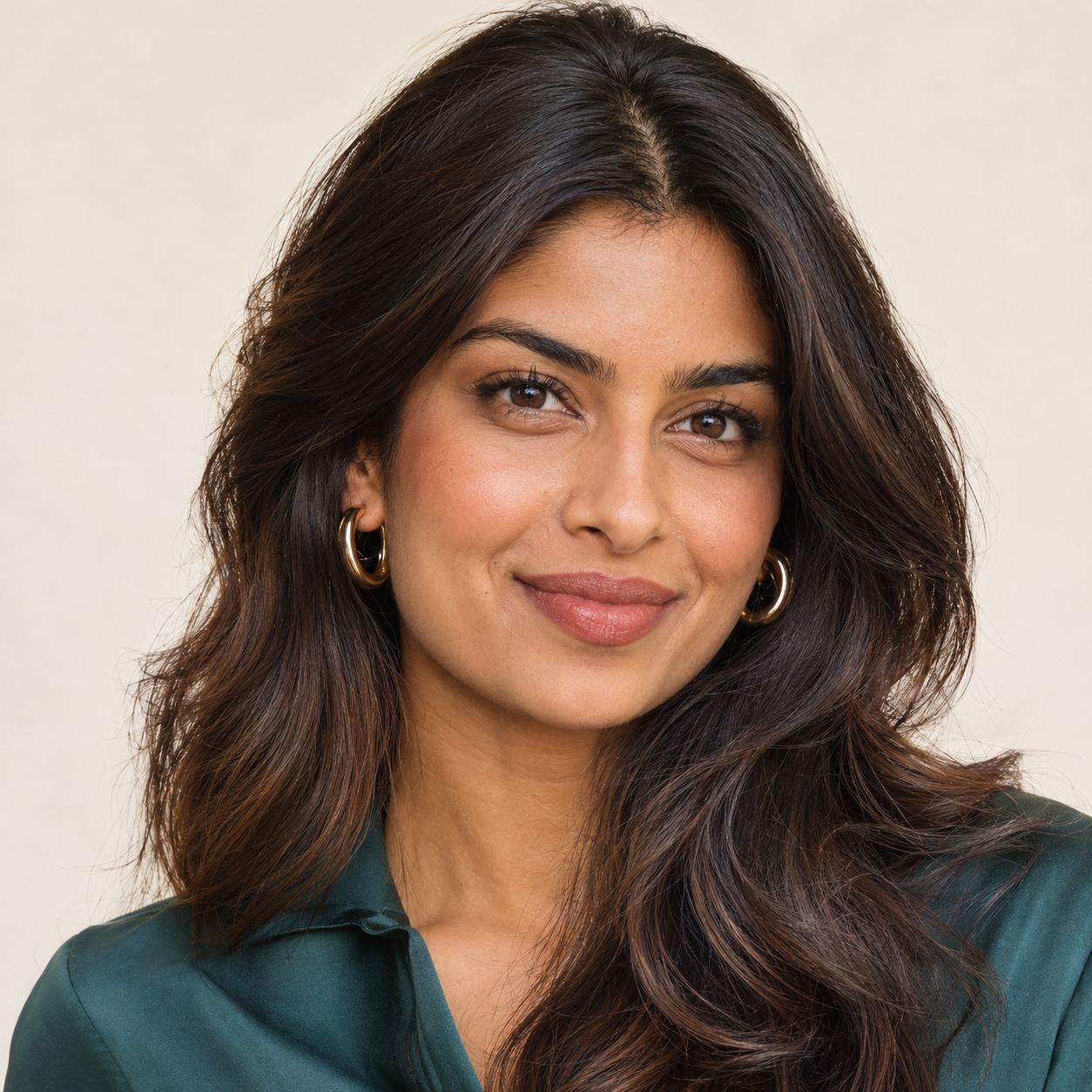

Short hair can feel both modern and elegant, but not because it follows one perfect silhouette. The difference usually comes from proportion: a fringe that moves, a neckline that feels intentional, or enough length left in the right place to make styling easy.
Use these ideas as a visual vocabulary for your next appointment. A good stylist can borrow the outline of one cut, the fringe of another, and the finish that suits your texture. The goal is not to copy a model—it is to leave with a shape that still works when you style it yourself.
1. A soft pixie with longer texture on top

A pixie feels softer when the top is left long enough to bend, separate, or sweep to one side. The sides and nape stay neat, while the movement above prevents the cut from looking too strict.
Ask for texture that can be seen without becoming spiky. A small amount of cream or paste worked through dry hair is usually enough. If your hair has a strong cowlick, let it guide the part instead of fighting it every morning.
2. A side-swept pixie with a graceful fringe
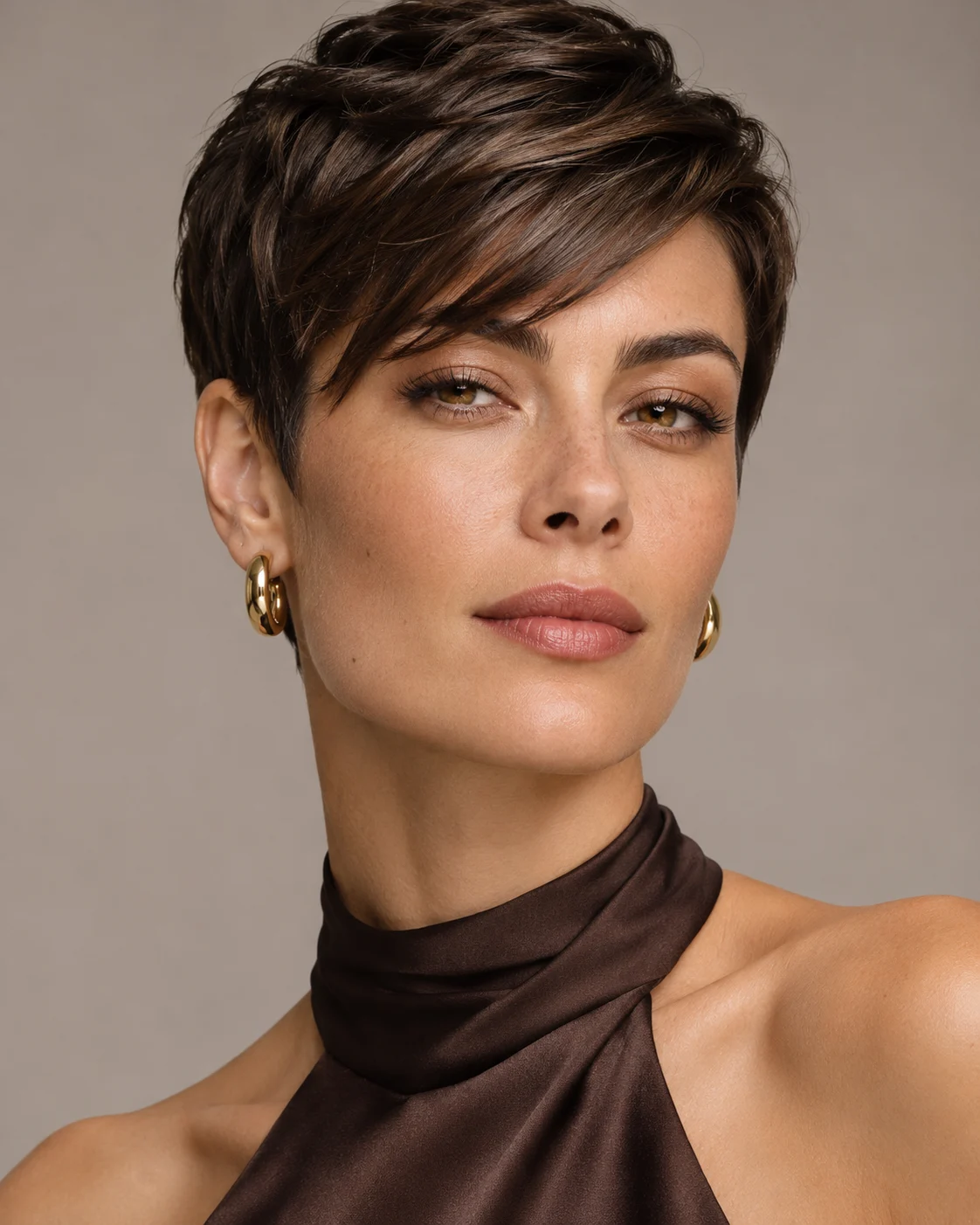
A side-swept fringe gives a close pixie a little drama while keeping the overall shape compact. It can be worn smooth for a polished evening or broken into pieces for a more casual day.
The fringe should move without falling constantly into the eye. Discuss the length when the hair is dry, especially if it shrinks or lifts. A light mist of flexible hairspray holds the direction without turning the front into a helmet.
3. A tapered cut for coils and tight curls

A tapered cut keeps the sides and nape close while allowing coils or tight curls to build shape through the crown. The contrast creates definition without requiring the hair to be stretched or smoothed.
The most elegant version respects the natural hairline and avoids uncomfortable tension. Shape it dry or with shrinkage in mind. A leave-in followed by a curl cream can bring out the pattern; constant picking is optional, not a requirement.
4. A polished bixie with tucked sides
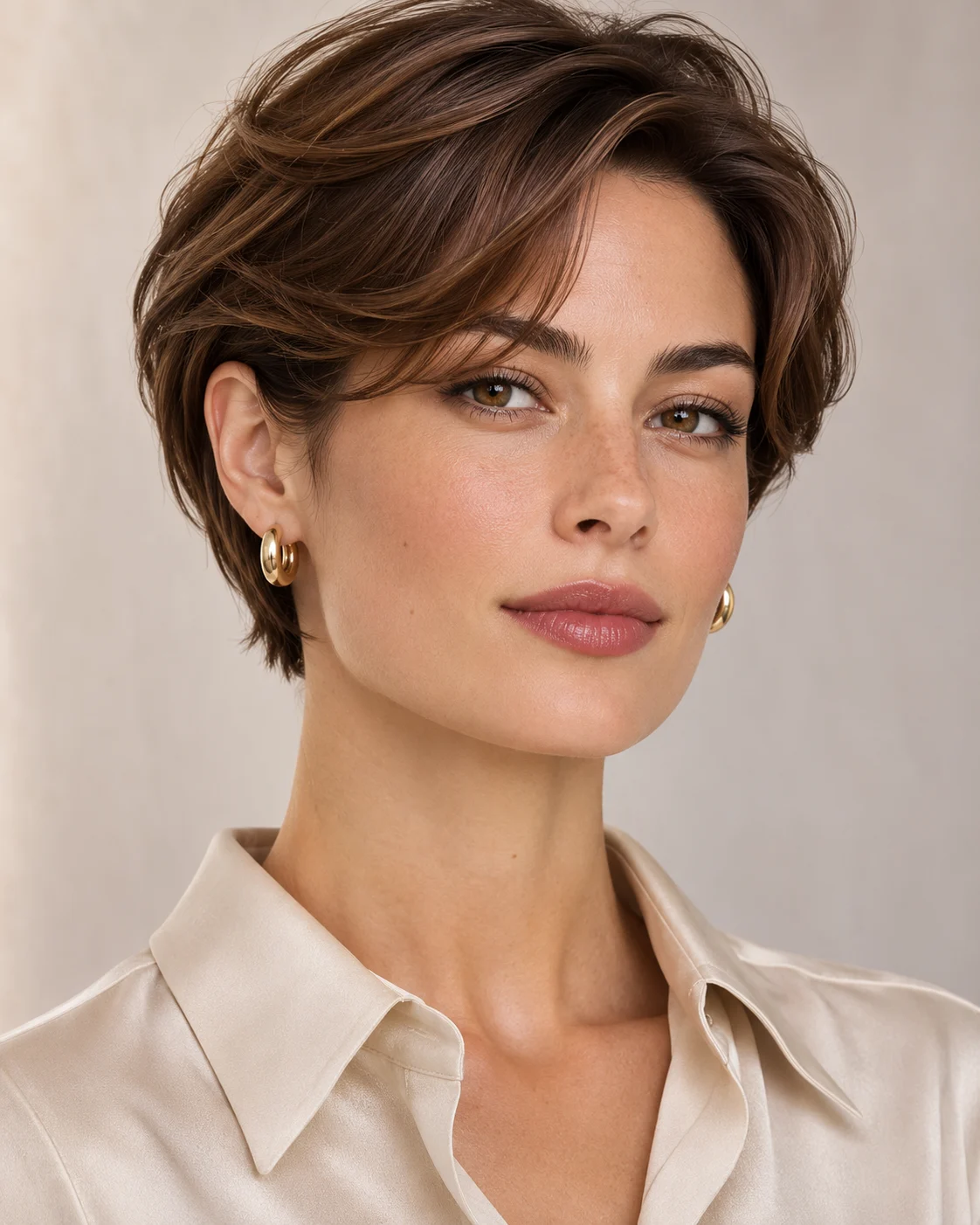
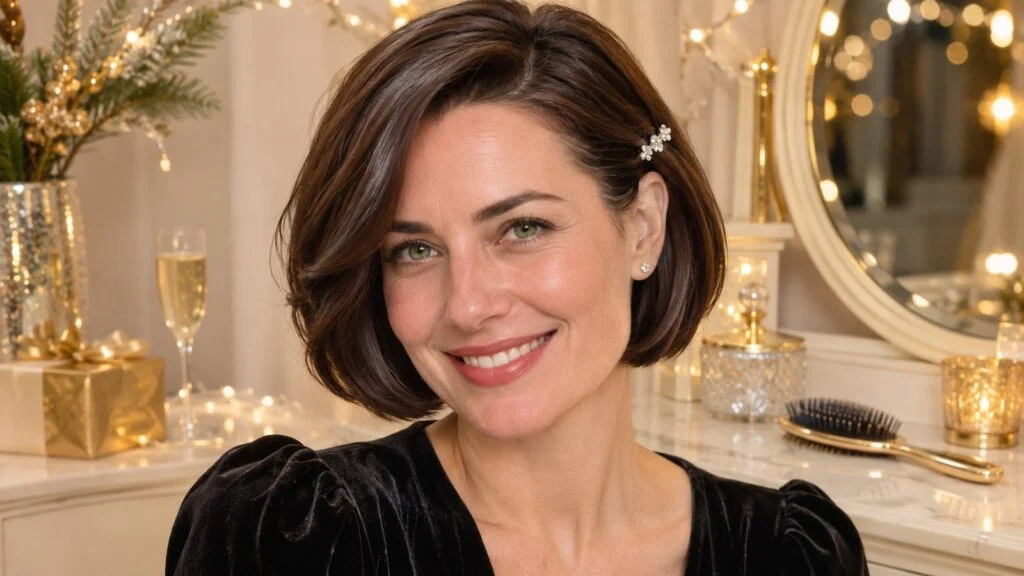
The bixie offers more coverage than a pixie and more lightness than a bob. Tucked sides reveal the cheekbones, while the longer crown can be parted, waved, or brushed back.
Keep the layers connected so the cut reads as intentional rather than over-chopped. It is especially useful for anyone growing out a pixie, because the shape can evolve without passing through months of awkward bulk.
5. A classic French bob at the jaw

A French bob usually ends around the jaw and pairs beautifully with a relaxed fringe or a clean, open forehead. The appeal is the confident outline, not a perfectly pressed finish.
A slight natural bend makes it feel current. Fine hair may need a fuller baseline, while dense hair may need discreet weight removal underneath. Keep the ends touchable rather than coating them in heavy serum.
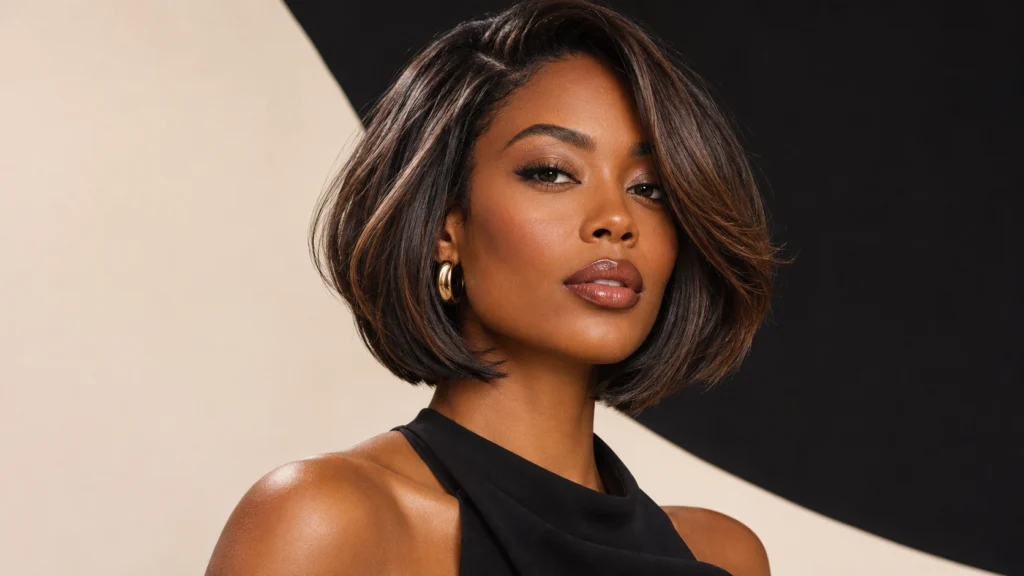
6. A blunt bob with a glassy finish

A blunt bob creates elegance through a precise perimeter. It works particularly well when the ends look healthy and the cut falls cleanly between the jaw and the base of the neck.
Blunt does not mean stiff. A narrow bevel at the ends helps the hair sit naturally. Use heat protectant before smoothing, and stop before every strand becomes completely flat—the cut looks more expensive when it still has a little life.
7. A softly curved bob

A curved bob follows the head gently and turns under near the ends. It feels softer than a sharply blunt version and can give straight or lightly wavy hair an easy, composed shape.
The curve should come from the cut and a restrained blow-dry, not aggressive backcombing. A medium round brush and a cool finish are enough. If the hair is thick, internal shaping prevents the lower edge from becoming too heavy.
8. A short curly bob with airy layers

A short curly bob looks elegant when the curls have room to form and the silhouette feels balanced. Airy layers lift the crown while keeping the perimeter substantial.
Decide whether you want a round shape or a slightly longer front before the cut begins. Apply styling product to wet hair in sections, then diffuse gently or air-dry. The less you disturb the curls while they set, the cleaner the final pattern.
9. A modern shaggy bob

The shaggy bob brings movement through short crown layers and a loosened perimeter. It feels modern because the texture is deliberate, yet it never needs to look overly styled.
Ask for softness around the ears and enough weight at the ends to avoid a wispy finish. On wavy hair, scrunching with mousse may be all it needs. Straight hair can gain the same bend with a few quick turns of a flat iron.
10. A bob with a light curtain fringe
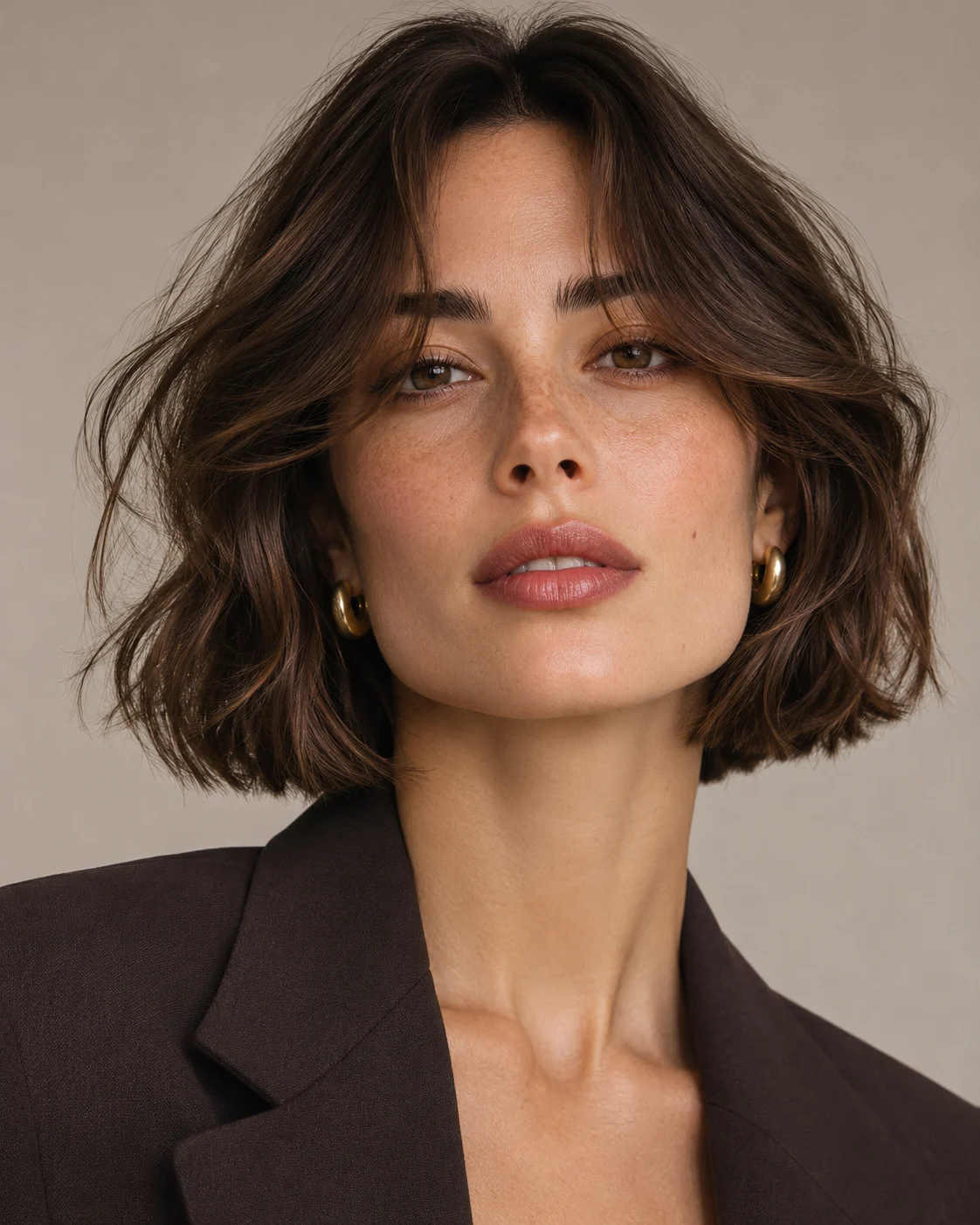
A light curtain fringe adds shape around the eyes without closing off the face. It can blend into a chin- or neck-length bob and is easy to separate, sweep back, or tuck away.
Keep the center pieces long enough to behave on non-wash days. Blow the fringe forward first, then split it, rather than forcing both sides outward from the start. That small change often makes it fall more naturally.
11. An asymmetrical bob with a subtle angle
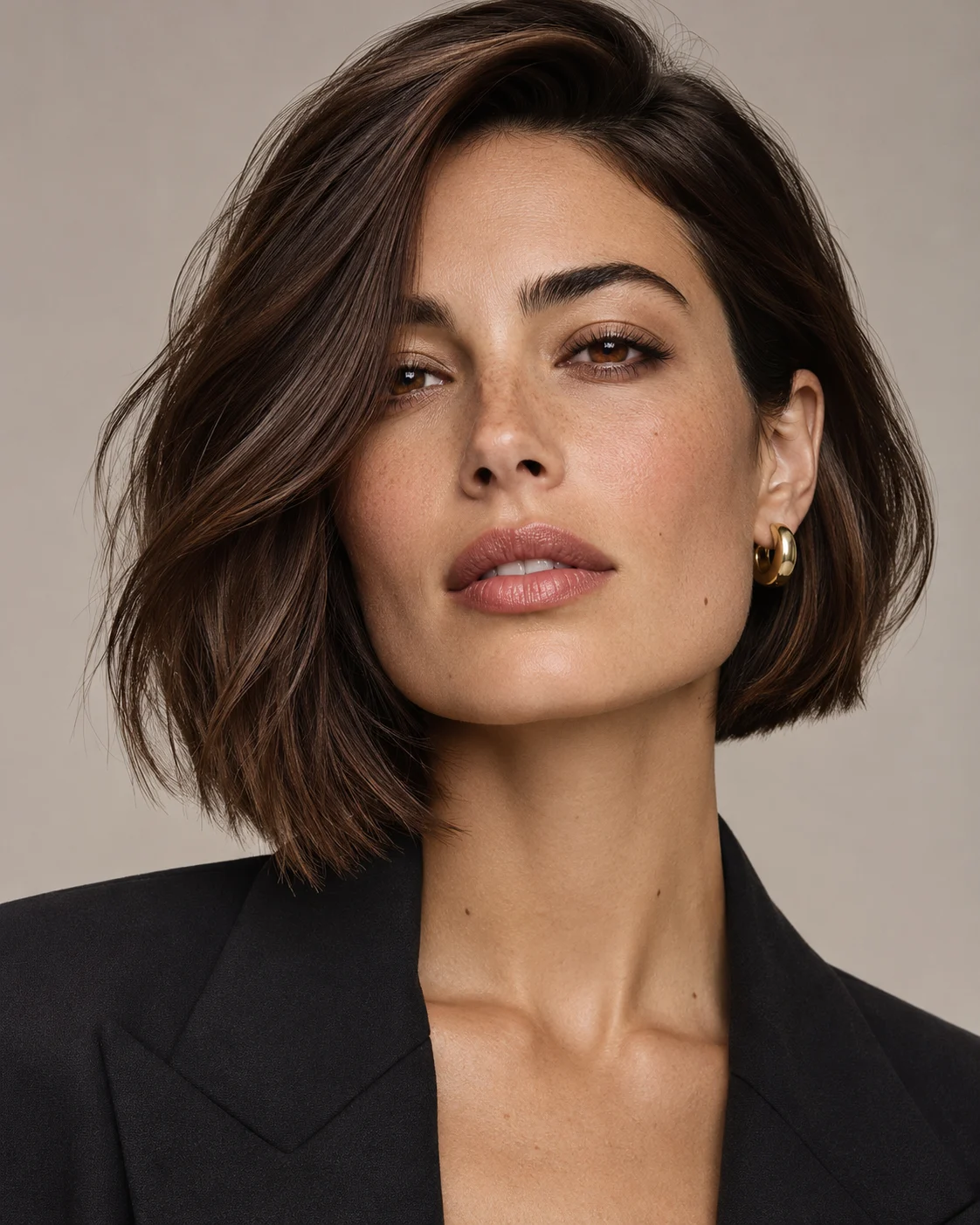
An asymmetrical bob does not need a dramatic drop from one side to the other. A quiet difference in length can create interest while remaining easy to wear at work or on formal occasions.
The line should look good from the front and in profile, so check both before leaving the salon. A deep side part emphasizes the angle; a softer part makes it less noticeable when you want a simpler finish.
12. A sleek crop brushed back from the face

Brushing a short crop away from the face creates a clean evening look without changing the haircut. It works on pixies, bixies, and very short bobs with enough length through the front.
Use a lightweight gel or styling cream on damp hair and direct it back with your fingers or a vent brush. Keep some softness at the hairline. A rigid, wet-looking finish can feel more costume than elegance.
13. A micro bob below the ears
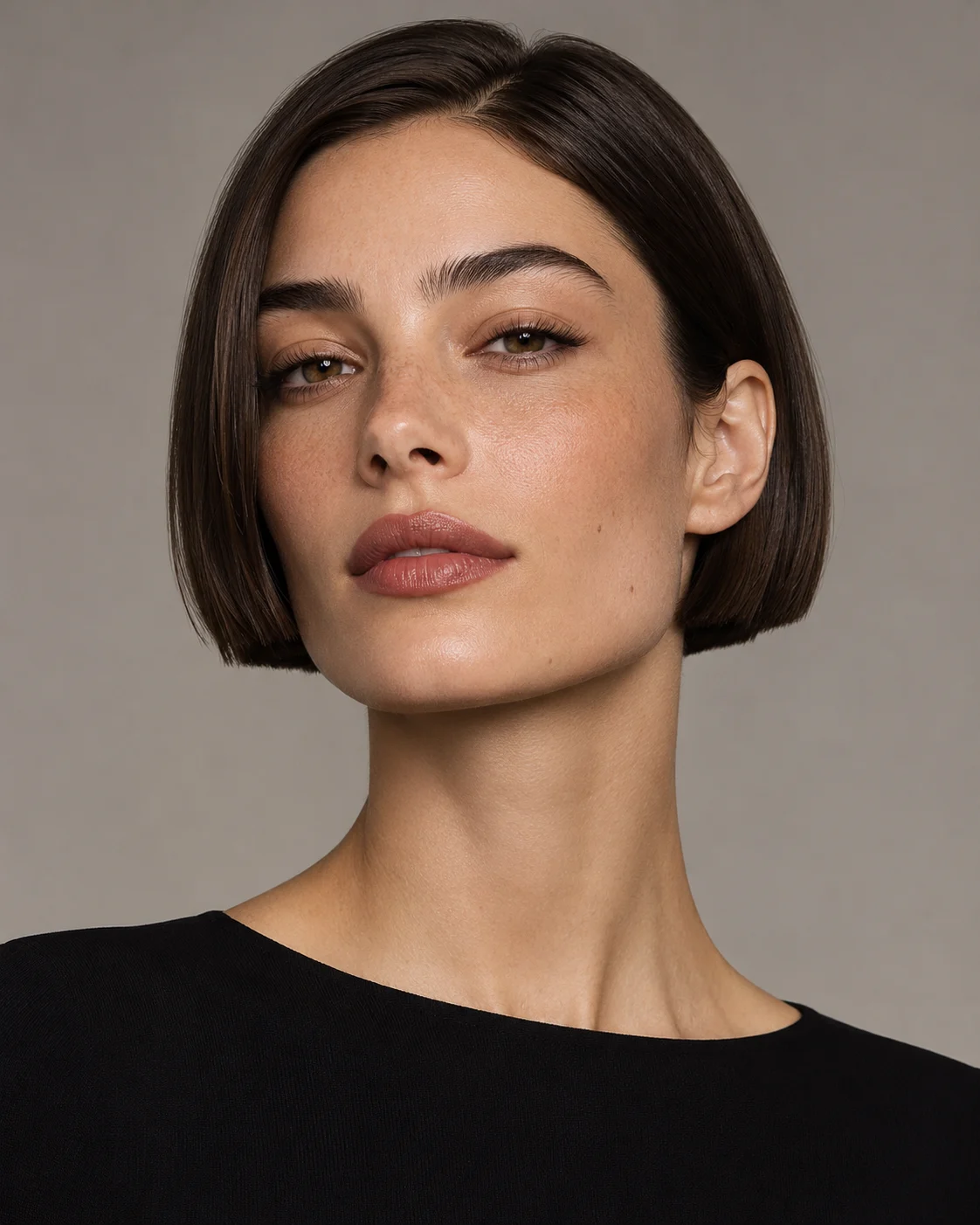
The micro bob is shorter than a traditional chin bob, often sitting just below the ears. Its compact outline looks sharp with high necklines, earrings, and simple tailoring.
Because the length is precise, it benefits from regular trims. Ask how it will sit when tucked and untucked. If one side naturally flips, a very small amount of graduation can help the perimeter cooperate.
14. A rounded crop with a modern bowl influence

A bowl-inspired crop can look refined when the line is softened and the nape is neatly tapered. The fringe and sides connect into one rounded shape, but texture keeps it from feeling heavy.
This cut depends on careful proportion. Bring photos of the softness you want, not only the overall outline. A matte cream separated through the ends gives it a contemporary finish without hiding the shape.
15. A short cut finished with one elegant accessory

A slim barrette, narrow headband, scarf, or sculptural pin can change a short cut without adding length. The accessory works best when it supports the shape instead of covering most of the hair.
Choose one focal point and keep the rest simple. Pinning back one side of a bob or adding a fine headband to a pixie can be enough to make the style feel ready for dinner, a wedding, or an ordinary day when you want a lift.
Make the cut elegant in real life

Before choosing a short style, ask three practical questions: how often you will trim it, which products you will actually use, and whether you need to tuck or tie any part of it back. Those details decide whether the cut feels freeing or demanding.
Elegance comes from a shape that behaves, healthy-looking ends, and a finish that still resembles you. If the haircut gives you two or three easy ways to wear it, it will feel modern long after the salon styling has disappeared.