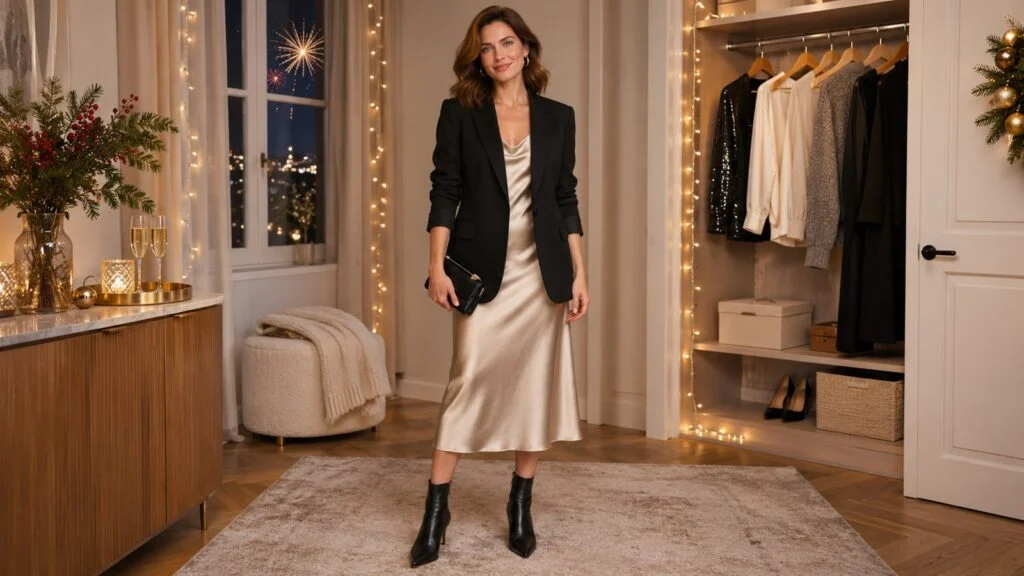
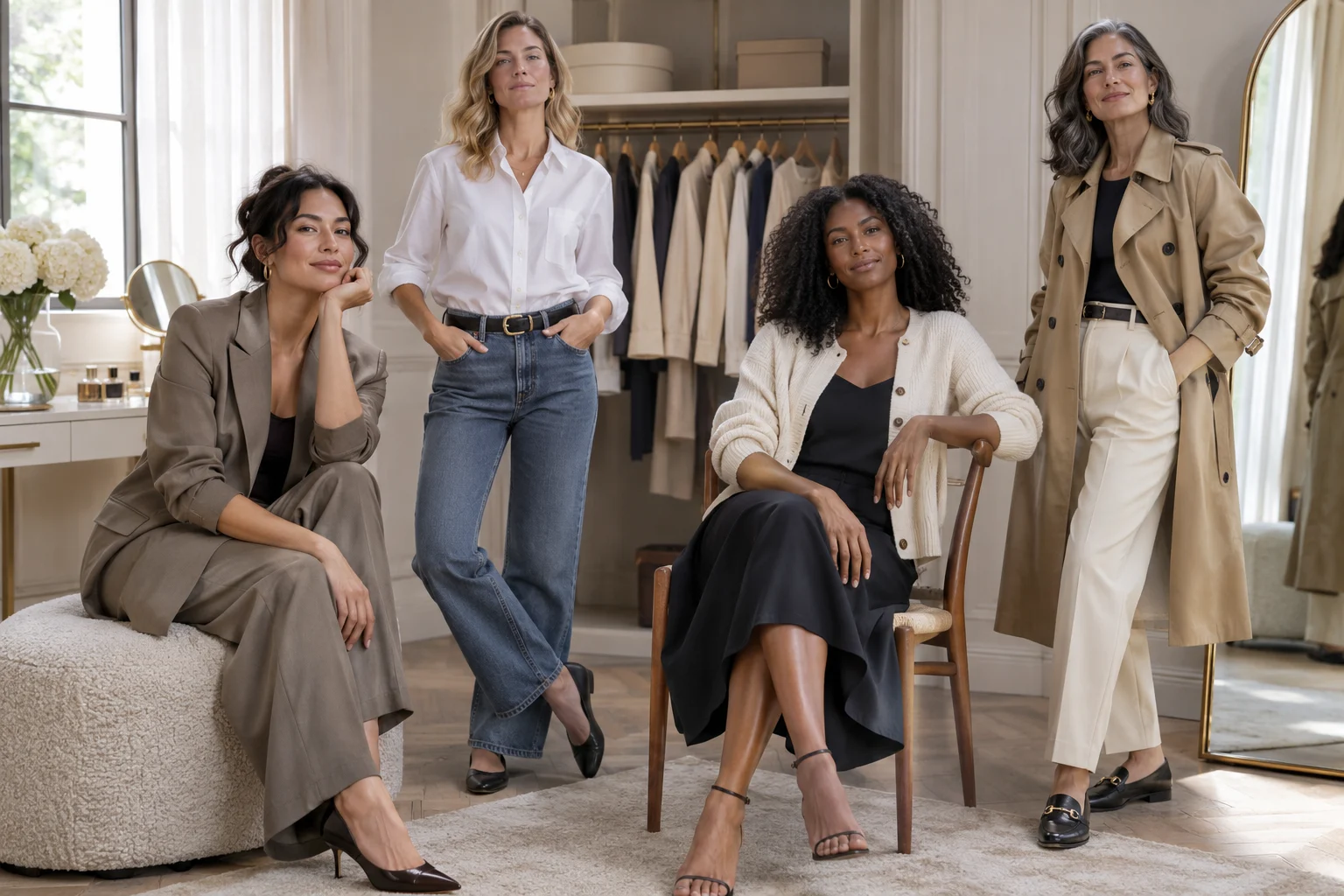
A wardrobe essential is not an item every woman must own. It is a piece that earns its space by solving a regular dressing problem: the jeans that always sit well, the jacket that rescues a plain outfit, or the shoes you can wear for hours without thinking about them.
The strongest wardrobe foundations are personal, but certain categories are useful across many styles and routines. Treat this list as a framework, not a uniform. Choose the cut, color, and fabric that make sense for your body, climate, work, and taste.
1. A white or soft-neutral everyday shirt
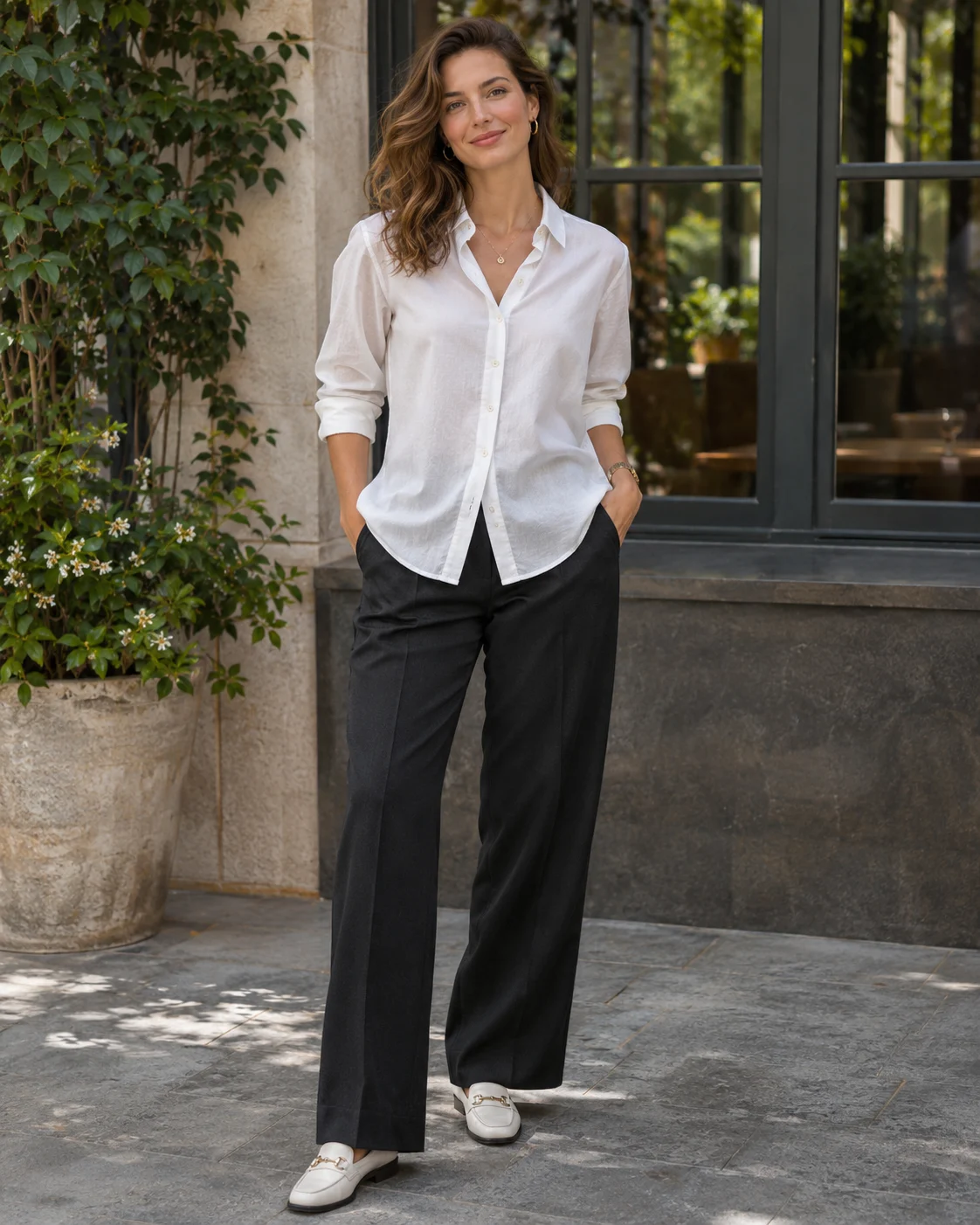
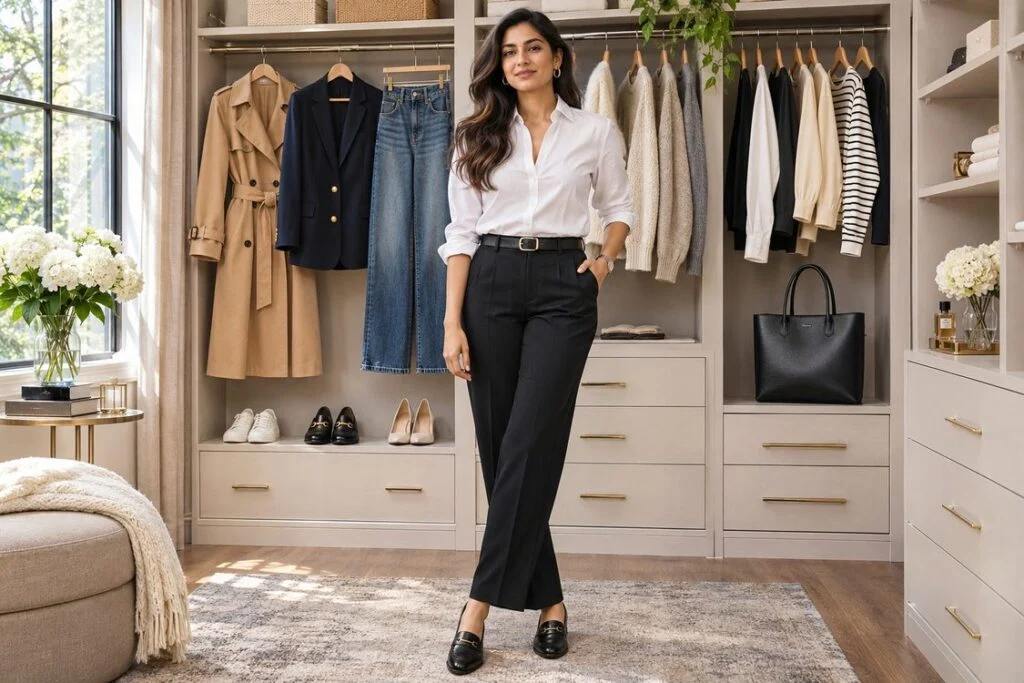
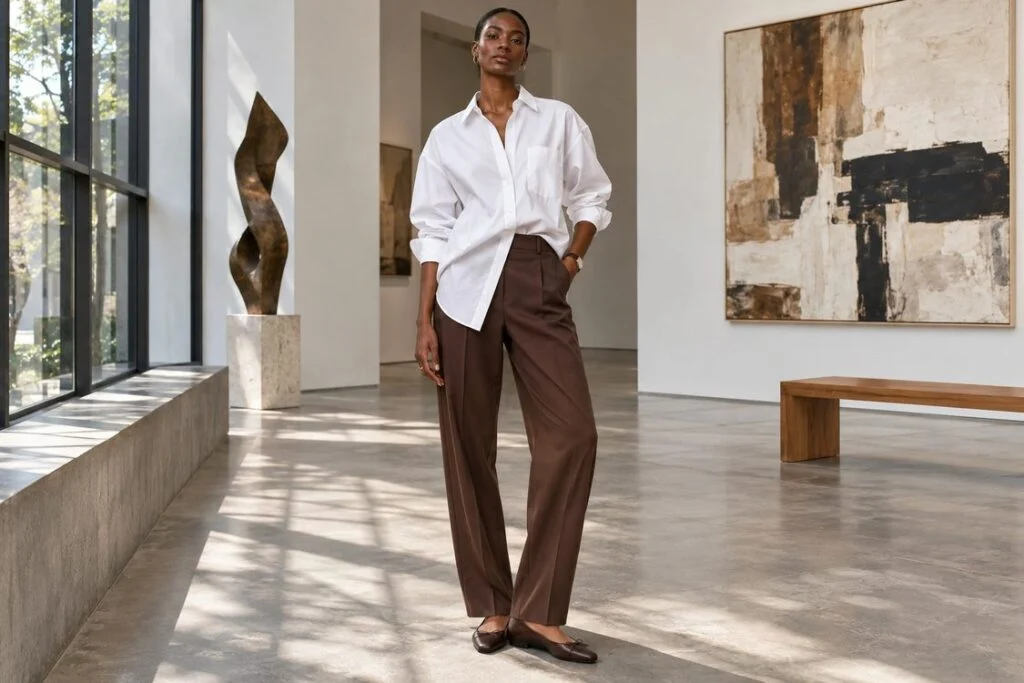
A good shirt can look crisp with trousers, relaxed over a tank, or casual with rolled sleeves and jeans. Pure white is classic, but cream, pale blue, or a fine stripe may suit your coloring and laundry habits better.
Check the collar, shoulder seam, and button placement. The best version stays closed across the chest, tucks without excessive bulk, and still looks intentional when worn loose.
2. A T-shirt that holds its shape

The right tee is a quiet workhorse. Look for a neckline you enjoy, sleeves that hit at a flattering point, and fabric with enough weight to skim rather than cling. White, black, navy, and gray are useful, but your most-worn color is the real essential.
Wash one test tee several times before buying duplicates. A bargain loses its value quickly if the collar twists or the fabric becomes transparent.
3. Straight-leg jeans in a reliable wash

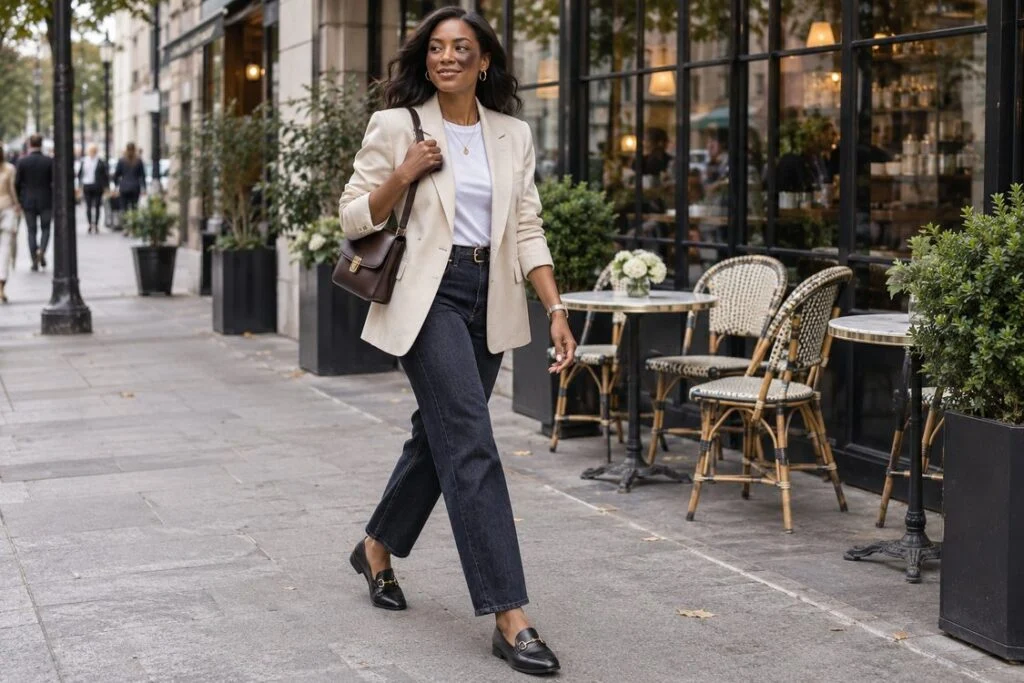
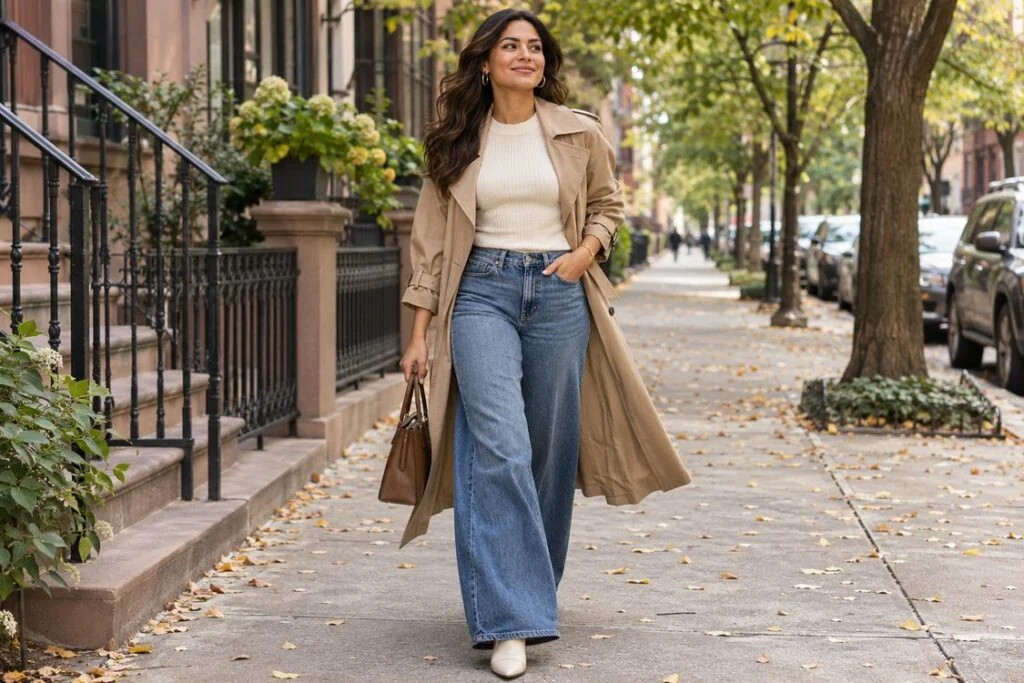
Straight jeans sit between skinny and very wide cuts, which makes them easy to wear with sneakers, flats, boots, and heels. A clean mid- or dark-blue wash works in more settings than heavily distressed denim.
Fit the waist first, then tailor the hem if needed. The best jeans allow you to sit comfortably and return to shape after a day of wear.
4. Tailored trousers with comfortable movement
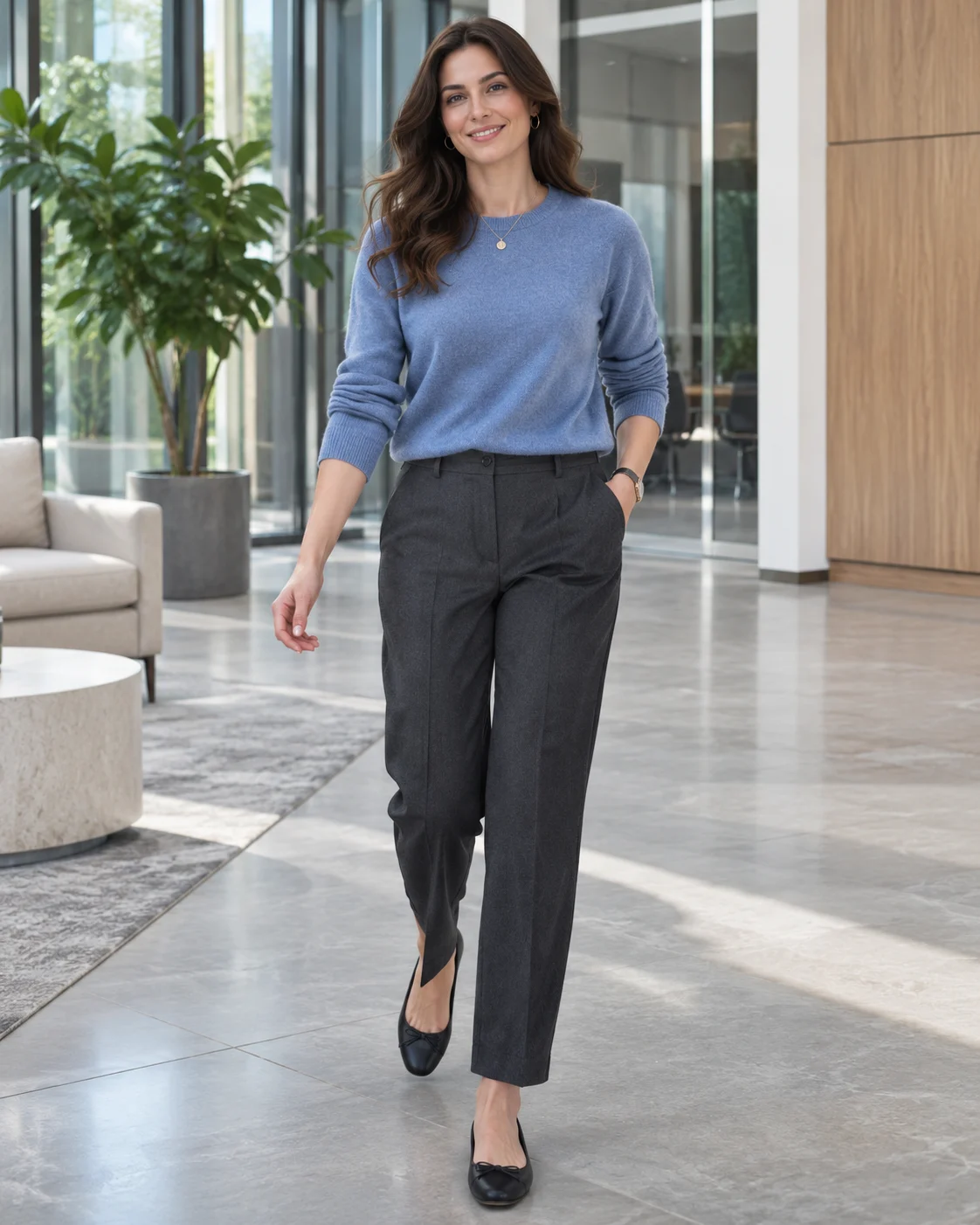
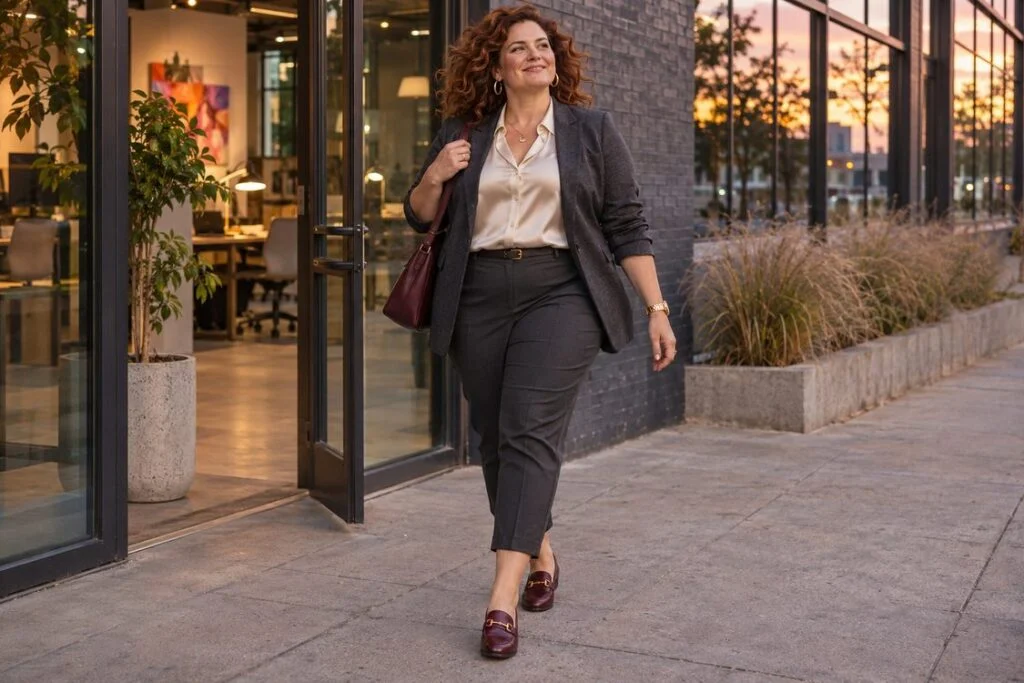
Tailored trousers add polish even when paired with a simple tee. Choose a rise and leg shape that work with your preferred shoes, and look for enough ease through the seat and thighs to move naturally.
Black is useful, but navy, charcoal, camel, olive, or chocolate can feel softer. A little stretch is practical; too much can make the knees lose shape.
5. A versatile midi skirt
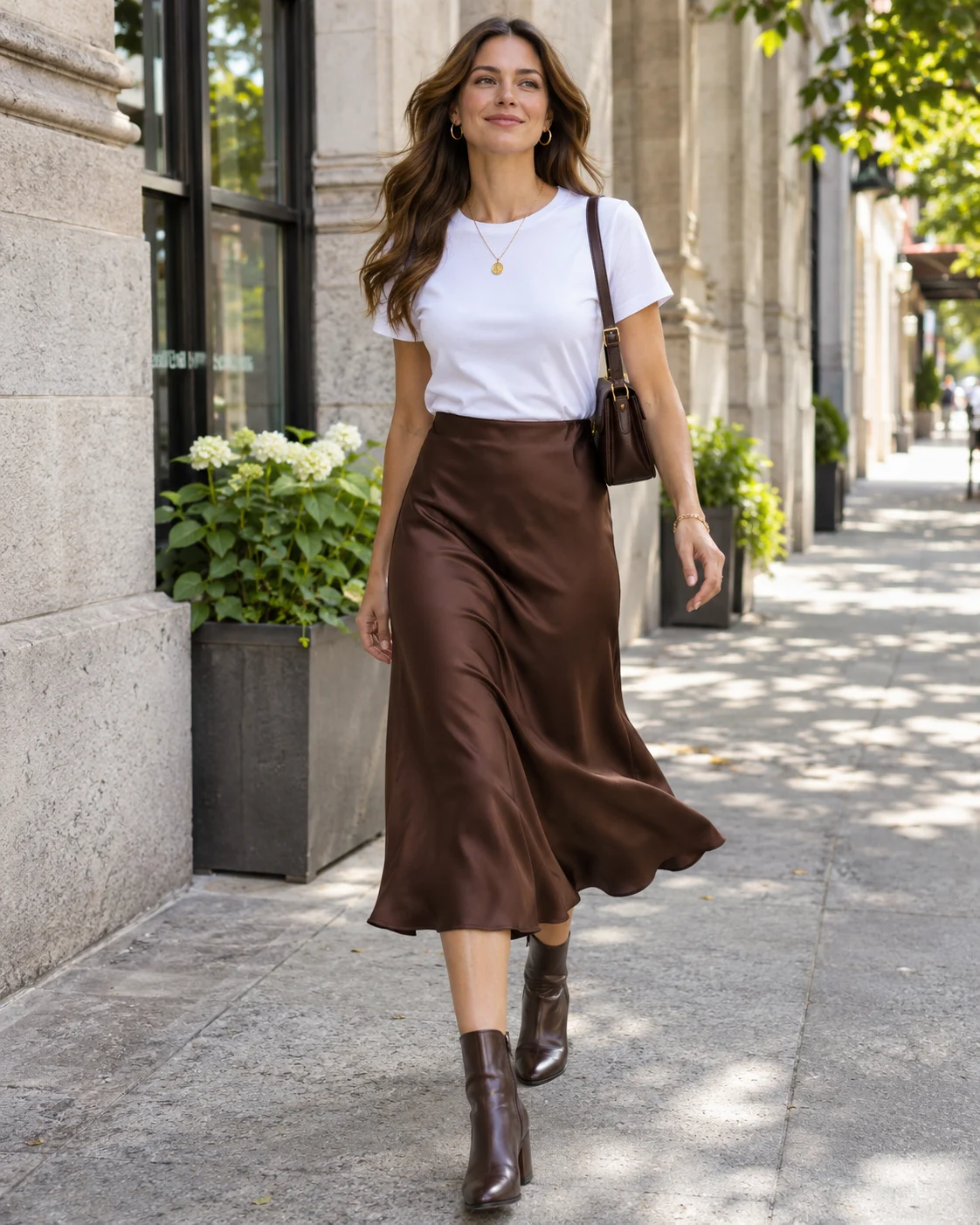
A midi skirt creates a different silhouette without demanding a special occasion. An A-line, bias-cut, pleated, or straight shape can work with tees, shirts, knits, sneakers, and boots.
Walk and sit in it before committing. A beautiful skirt that rides up, twists, or restricts your stride will remain in the wardrobe rather than becoming an essential.
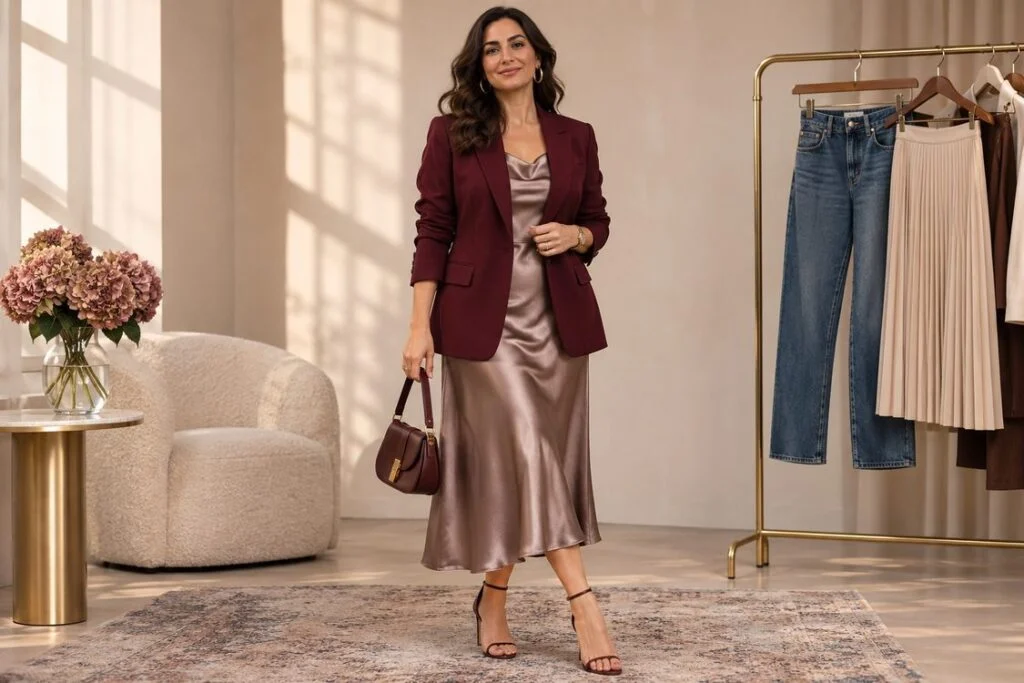
6. A simple day-to-evening dress
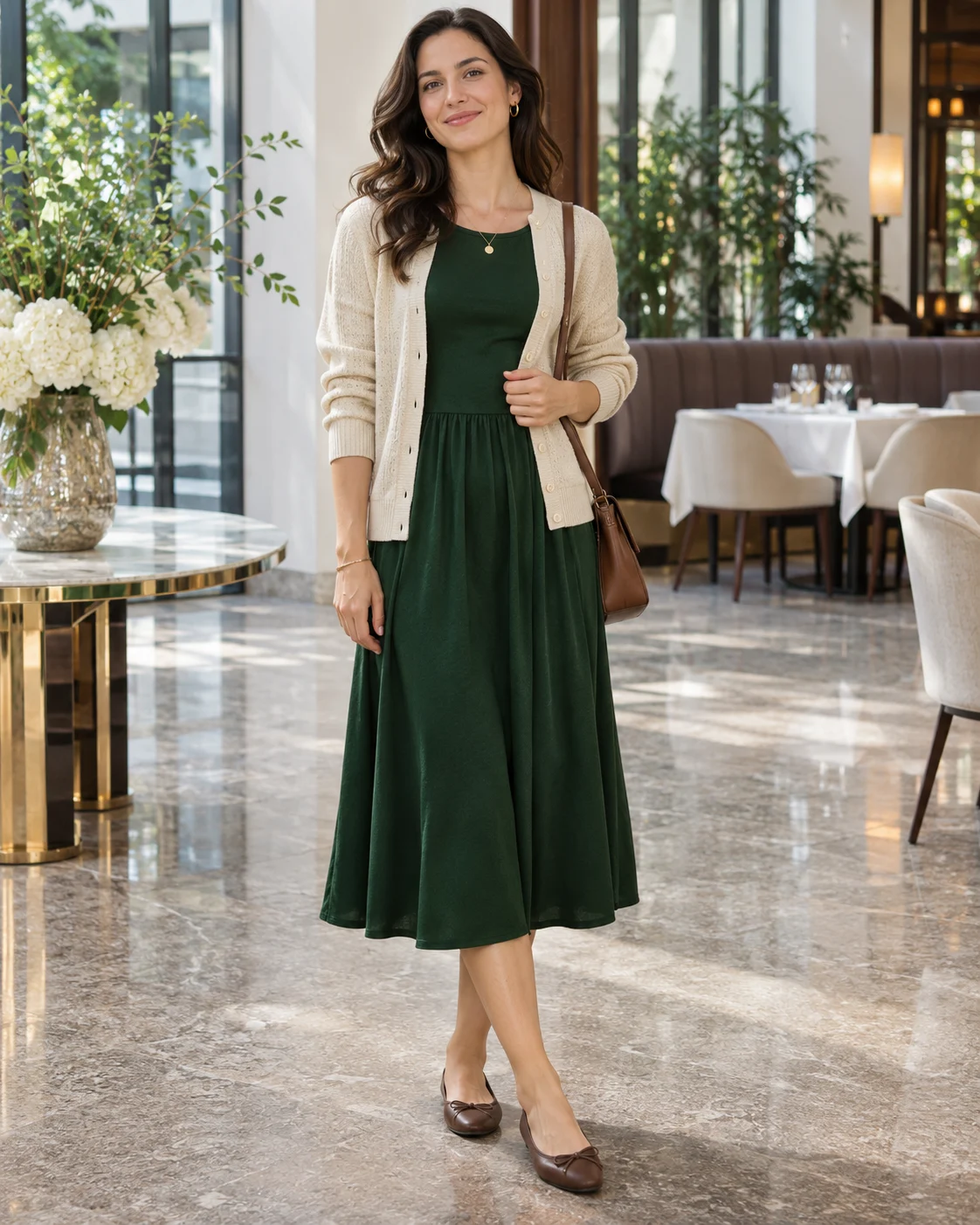
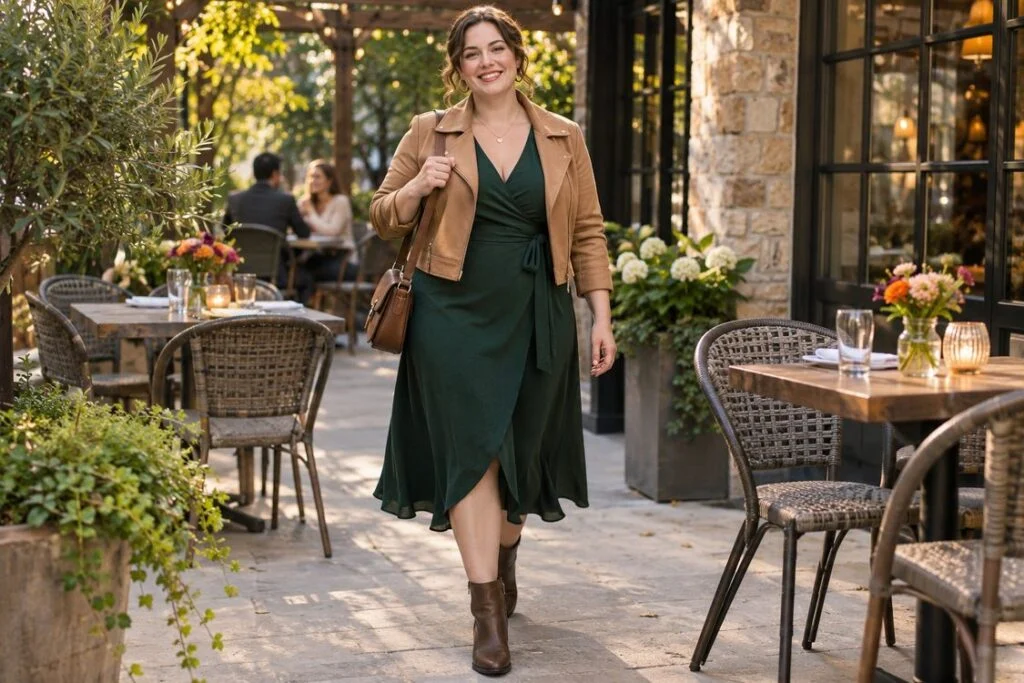
One dependable dress removes several decisions at once. Look for a shape that works with at least two shoes and one layer, such as a clean midi dress, shirt dress, or knit dress.
The dress does not have to be black. Navy, burgundy, forest green, or a small print may be just as versatile. Comfort through the waist and armholes matters more than a dramatic fitting-room impression.
7. A blazer that feels relaxed, not rigid
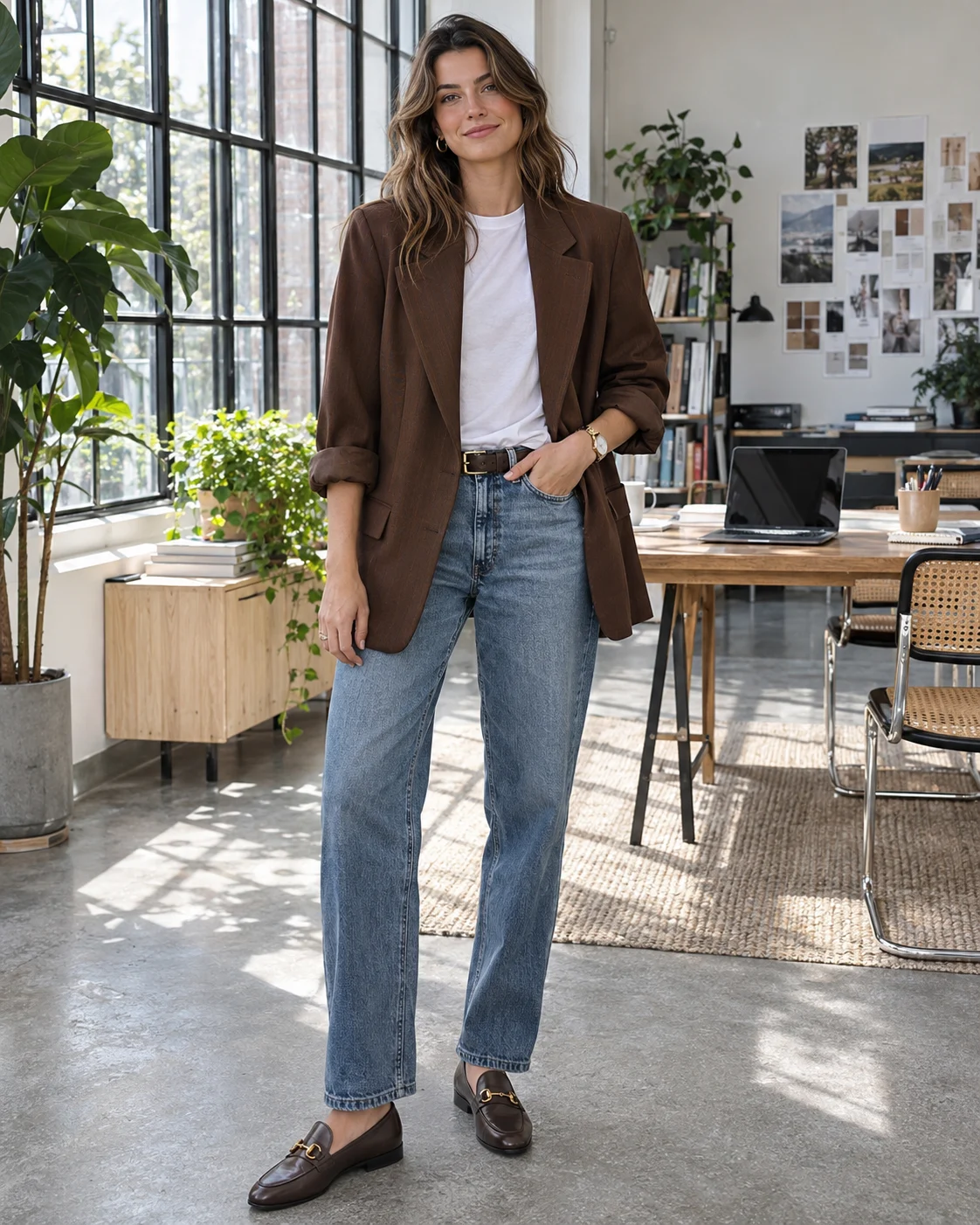
A blazer can sharpen jeans, balance a soft dress, or complete work trousers. Choose one with enough room through the shoulders for a tee or fine knit and sleeves that can be pushed or rolled comfortably.
Navy, gray, brown, and camel are forgiving alternatives to black. The jacket should improve your posture without forcing you to hold your body differently.
8. A lightweight everyday jacket

A denim, utility, chore, or cropped jacket fills the space between cardigan and coat. It makes dresses more casual and gives simple separates a finished outer layer.
Choose the version that suits your climate and wardrobe. If you wear many longer tops, a short jacket adds balance; if you prefer fitted pieces, a relaxed utility shape may be more useful.
9. A cardigan you can wear indoors
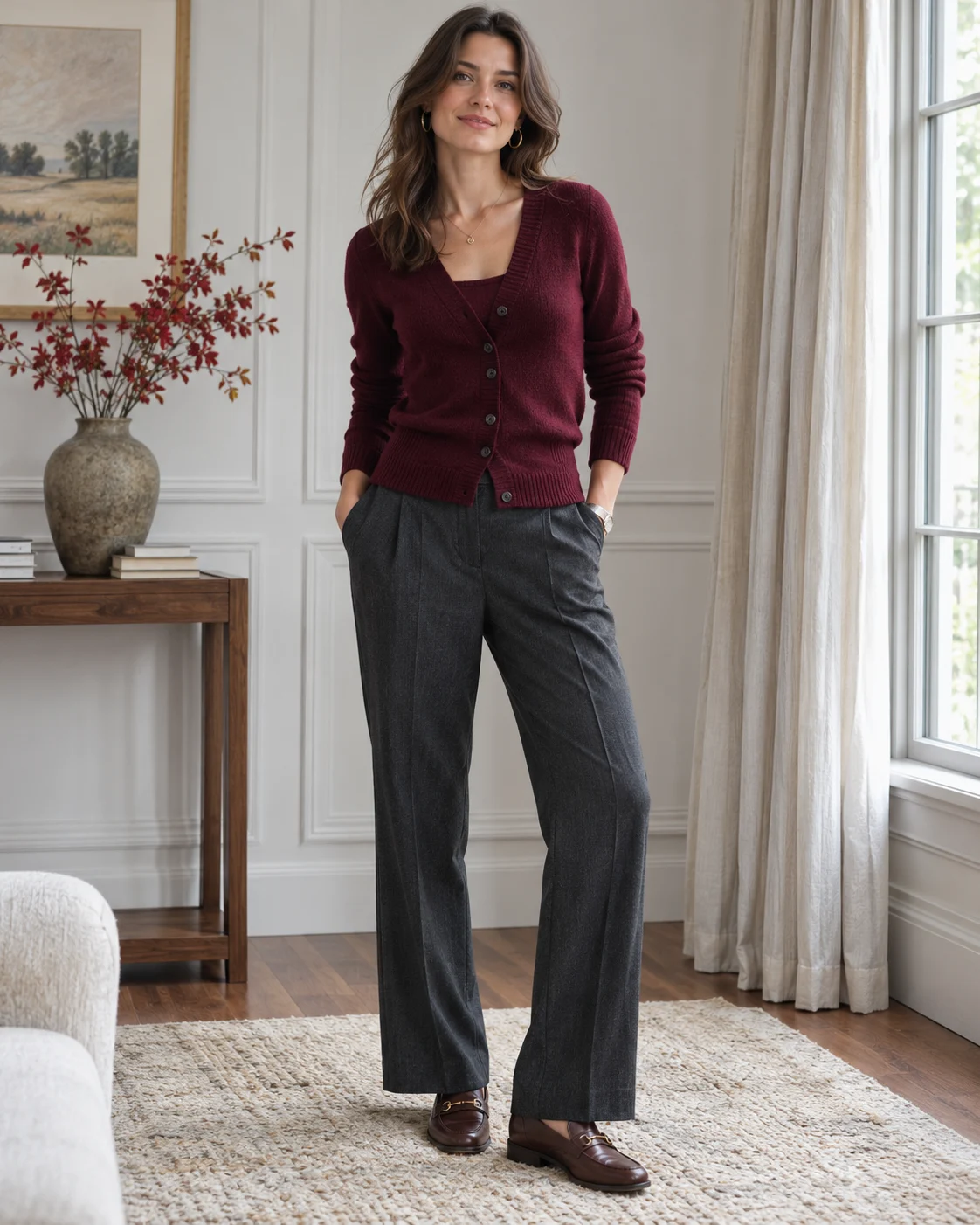
A cardigan is valuable because it stays comfortable indoors after the coat comes off. A fine or medium knit can layer over tees, shirts, and dresses without crowding the shoulders.
Check the buttons and hemline. A cardigan that works both open and closed offers more outfit options than one that only looks right in a single pose.
10. A weather-appropriate coat
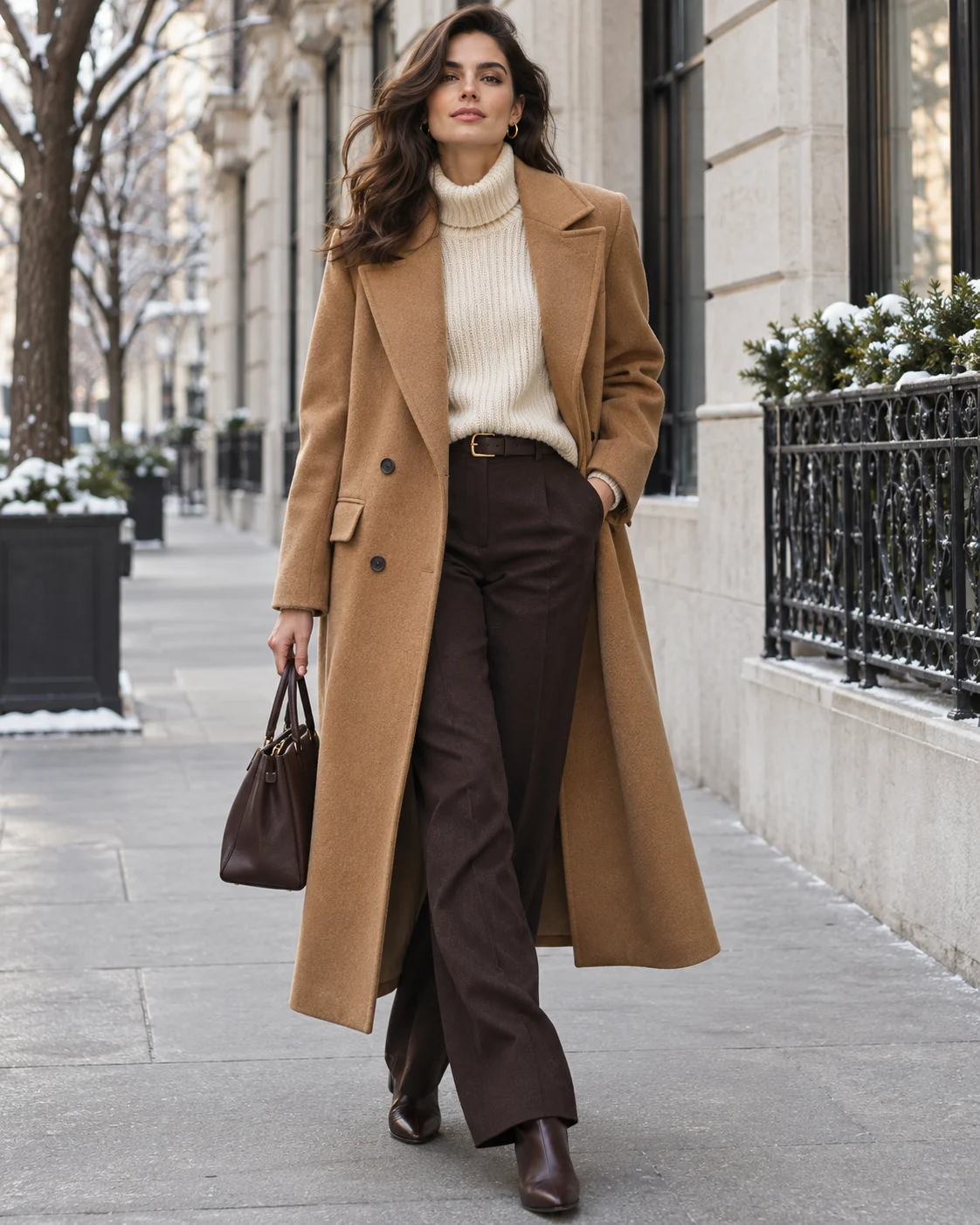
The coat is the first thing people see for much of the year, so it deserves the same attention as the outfit underneath. A trench, wool coat, raincoat, or puffer may be the true essential depending on where you live.
Leave enough room for your thickest regular layer and test the pockets, closures, and hood. Practical details are not separate from style when you use them every day.
11. Clean, comfortable everyday sneakers

Simple sneakers make trousers, skirts, and dresses easier to wear in real life. The shape can be minimal, retro, or slightly chunky, but it should support the amount of walking you actually do.
Keep one pair clean enough for smart-casual outfits. Replace worn laces and insoles before deciding the whole shoe is finished.
12. Polished flats or loafers
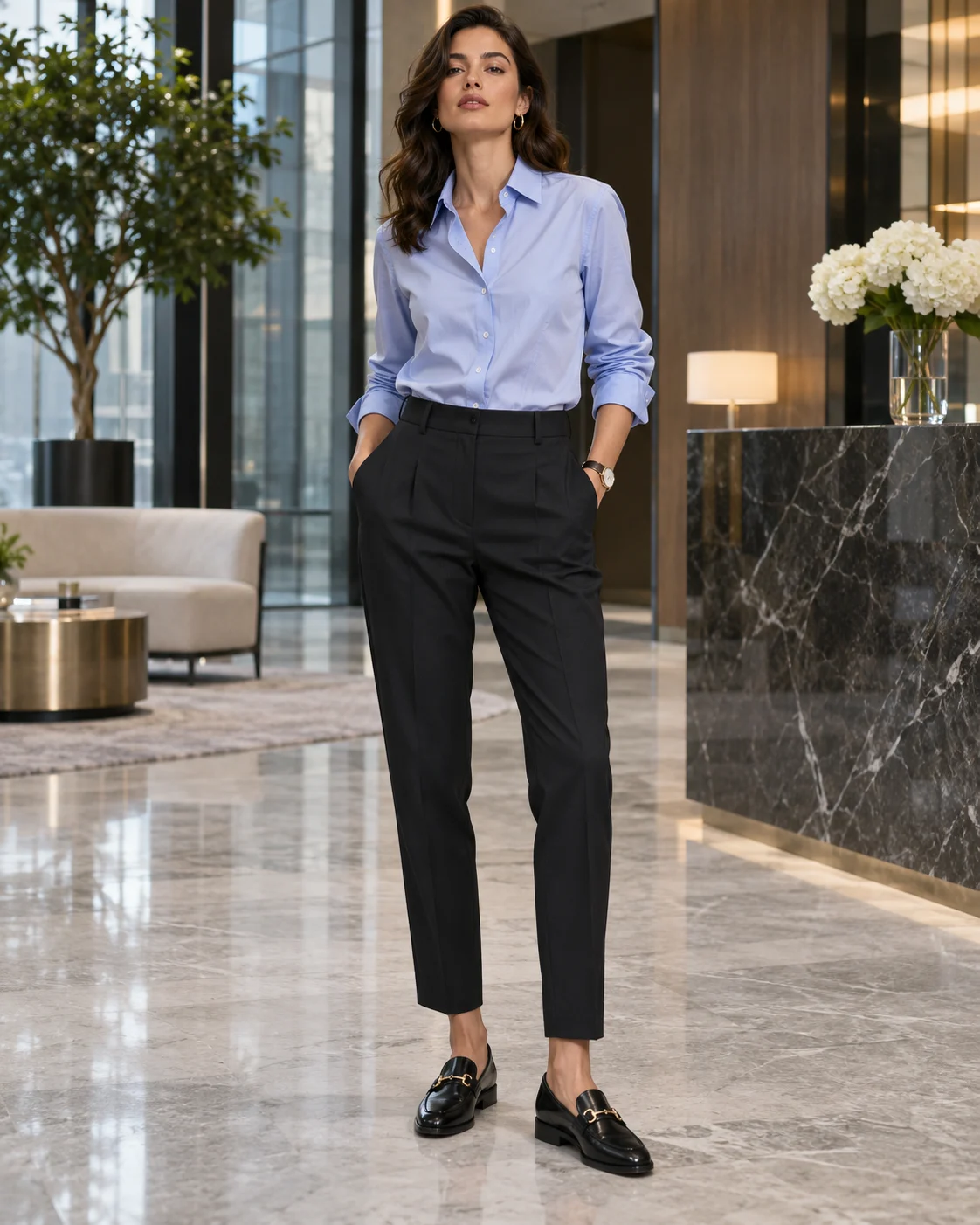
Loafers, ballet flats, or another refined flat bridge the gap between sneakers and heels. They are especially useful with cropped trousers, dark jeans, and midi skirts.
Choose a toe shape that gives your foot room and leather that softens rather than cuts. A shoe cannot be an essential if it spends the day under your desk.
13. An ankle boot that works with your hems

A dependable ankle boot extends dresses and cropped trousers into cooler weather. A stable heel or flat sole is easier to repeat than a dramatic shape.
Try the boot with your actual jeans and skirts. The shaft height should meet the hem cleanly or leave an intentional gap rather than creating bunching.
14. A structured everyday bag

An everyday bag should hold what you carry without turning into a storage unit. A structured tote, medium shoulder bag, or secure crossbody can make simple clothes look more considered.
Check the strap length, closure, lining, and empty weight. Neutral does not have to mean black; tan, burgundy, olive, or navy can be just as easy to combine.
15. Personal finishing pieces

Jewelry, a belt, scarf, watch, or distinctive eyewear keeps the essentials from becoming generic. These pieces carry your taste across repeated outfit formulas.
Choose a few items you enjoy enough to leave visible and wear often. A signature does not need to be expensive or loud; it only needs to feel unmistakably yours.
The essential test

Before adding any 'must-have,' ask whether it works with at least three pieces you already own, suits your real week, and feels comfortable for the full occasion. That test is more useful than any universal checklist.
A stylish wardrobe is not one that contains every classic. It is one in which the dependable pieces support the more expressive ones—and make getting dressed feel like less work.