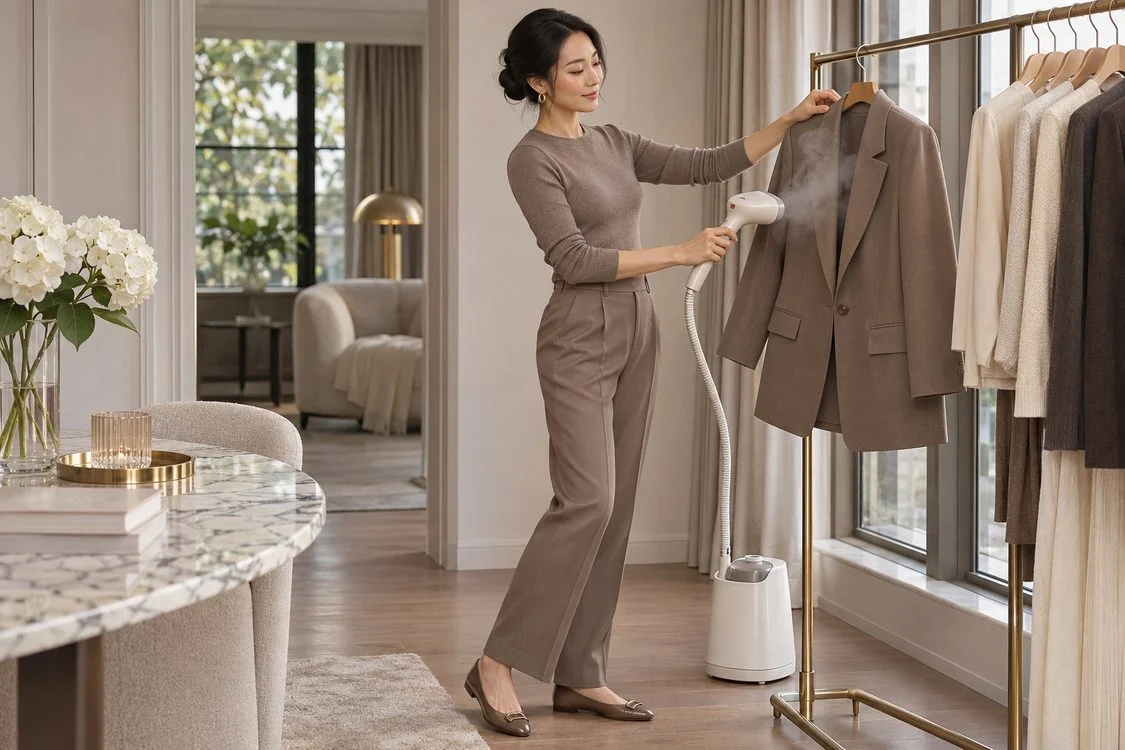
Learn 15 practical ways to look expensive on a budget through fit, garment care, colour, fabric and thoughtful accessories.
Quick answer
Looking expensive is less about a label and more about visual calm: clothes that fit, fabrics that sit well, shoes that are cared for and an outfit with a clear colour story. Spend first on alterations and maintenance, not on status symbols.
1. Start With Fit, Not the Price Tag

A modestly priced garment that follows your shape cleanly often looks better than an expensive piece in the wrong size.
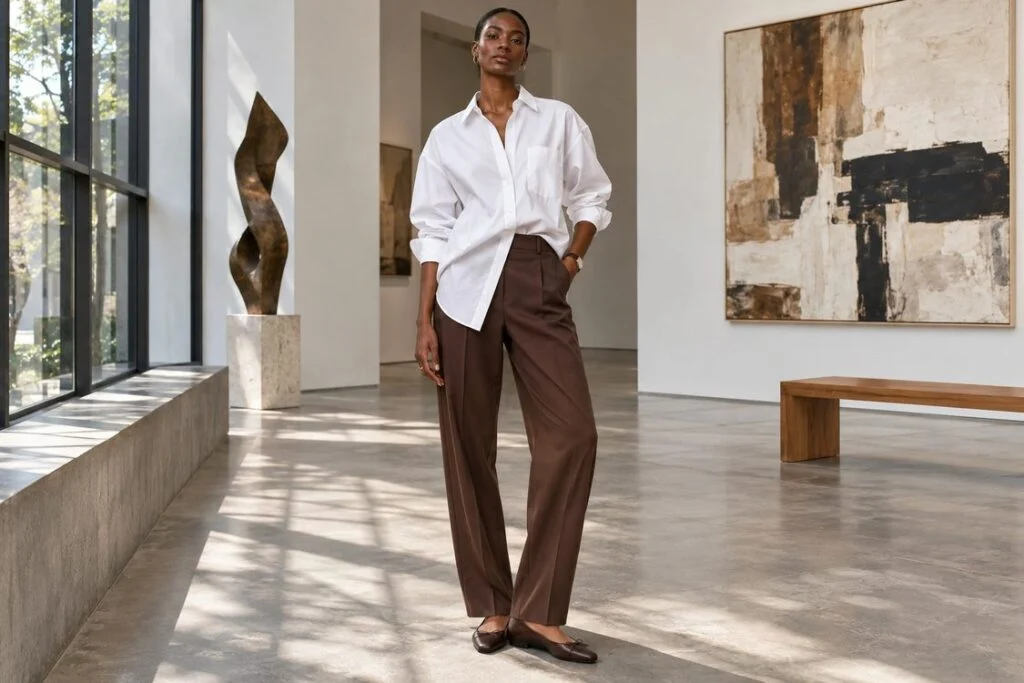
Good fit and garment care are doing most of the work here, which is why the result does not depend on a designer label. That matters especially with start with fit, not the price tag.
2. Alter the Hem and Sleeve Length
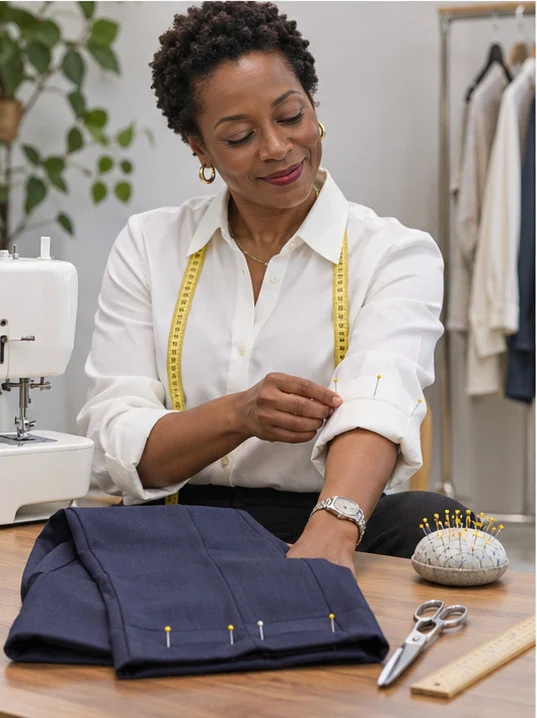
Small adjustments can make trousers, coats and blazers look made for you.
Compare the fabric in daylight and inspect seams, buttons and hems before deciding it is a bargain. That matters especially with alter the hem and sleeve length.
3. Steam Clothes Before You Wear Them
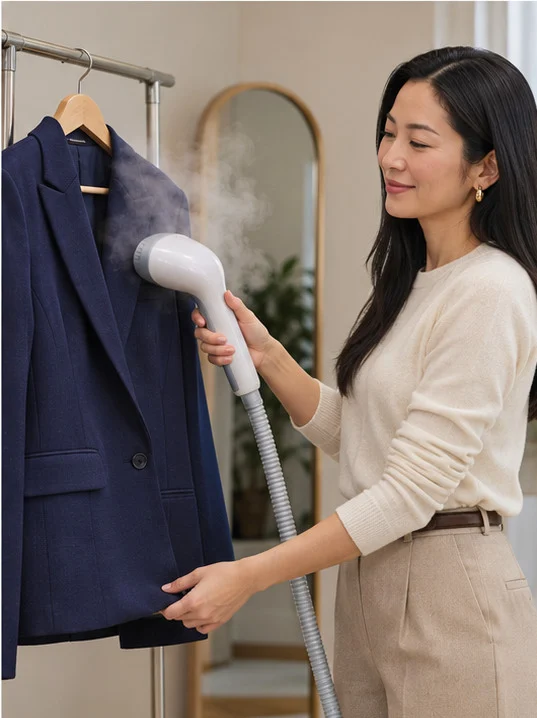
Wrinkles interrupt clean lines, especially on cotton, linen blends and tailoring.
Spend where wear will be highest, and save on trend-led extras that may only appear a few times. That matters especially with steam clothes before you wear them.
4. Use a Lint Roller and Fabric Shaver

Removing fluff, hair and pilling gives older knitwear and coats a neater surface.
A small alteration can make an inexpensive piece look considered; budget for that before another impulse purchase. That matters especially with use a lint roller and fabric shaver.
5. Choose a Simple Colour Palette

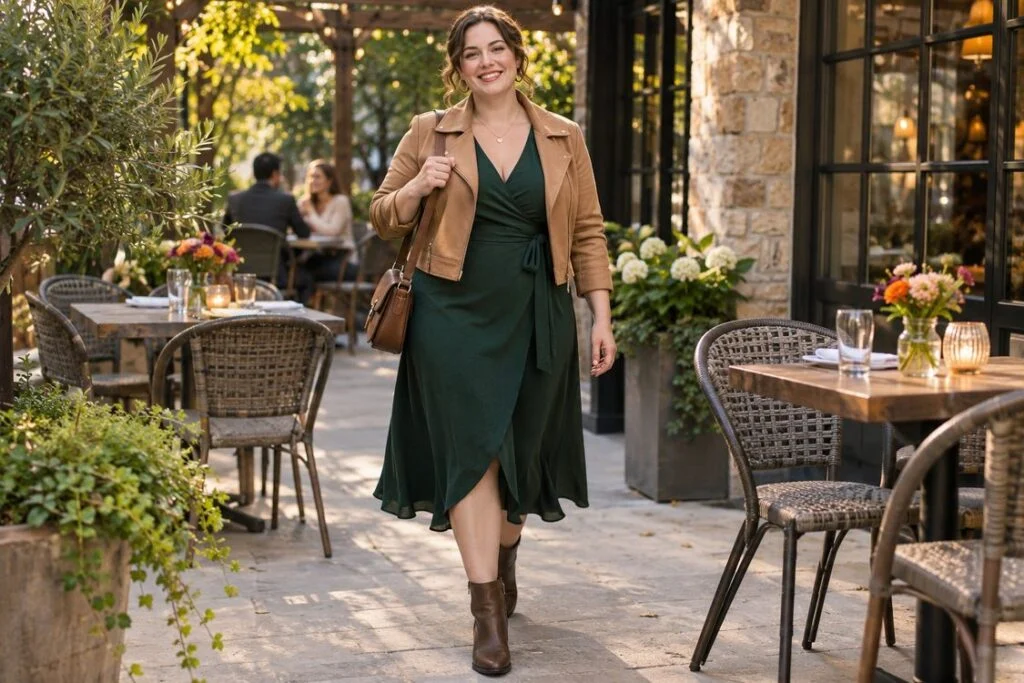
Two or three related colours are easier to make look intentional than many disconnected shades.
Restraint helps: one clean focal point usually reads more refined than several competing details. That matters especially with choose a simple colour palette.
6. Try Tonal Dressing

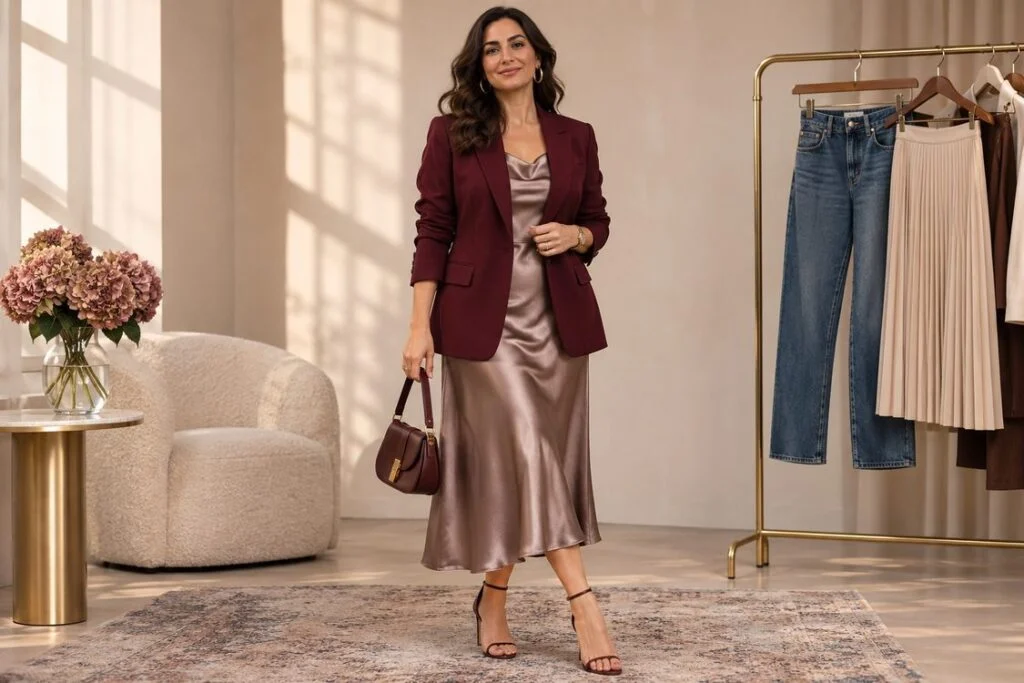
Different depths of one colour create dimension without relying on bold prints or logos.
Good fit and garment care are doing most of the work here, which is why the result does not depend on a designer label. That matters especially with try tonal dressing.
7. Prioritize Fabric Hand and Drape
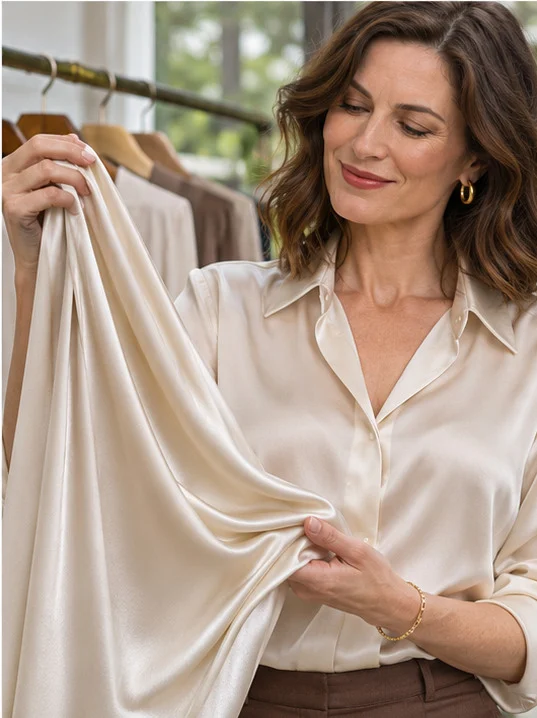
Touch the garment, check it in movement and avoid pieces that cling or collapse in the wrong places.
Compare the fabric in daylight and inspect seams, buttons and hems before deciding it is a bargain. That matters especially with prioritize fabric hand and drape.
8. Replace Flimsy or Dated Buttons
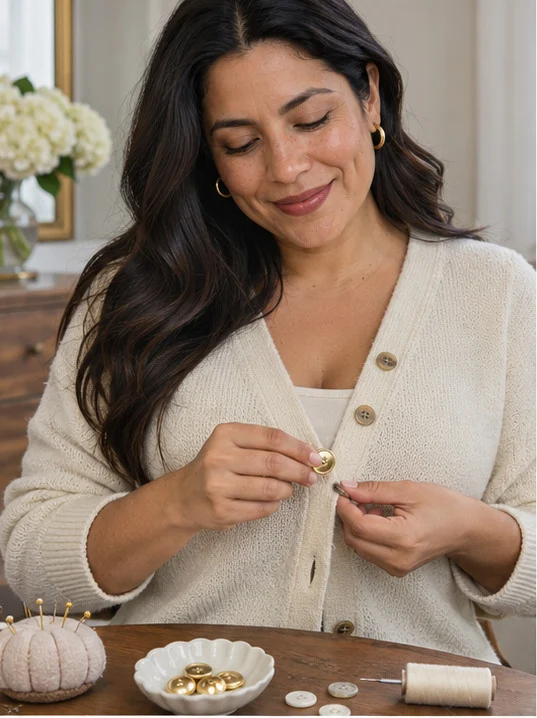
A simple button change can calm down a blazer, cardigan or coat.
Spend where wear will be highest, and save on trend-led extras that may only appear a few times. That matters especially with replace flimsy or dated buttons.
9. Keep Shoes Clean and Repaired

Polished leather, clean soles and intact heel tips affect the whole outfit.
A small alteration can make an inexpensive piece look considered; budget for that before another impulse purchase. That matters especially with keep shoes clean and repaired.
10. Carry a Structured Bag in Good Condition

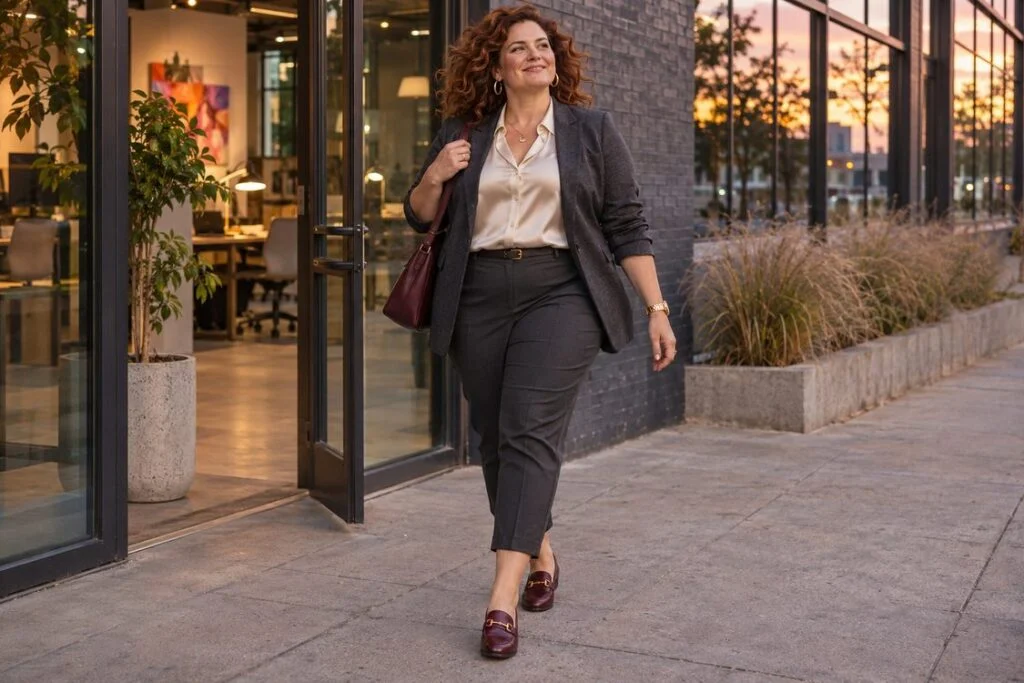
Shape and condition matter more than a visible designer mark.
Restraint helps: one clean focal point usually reads more refined than several competing details. That matters especially with carry a structured bag in good condition.
11. Wear Simple Jewellery Consistently
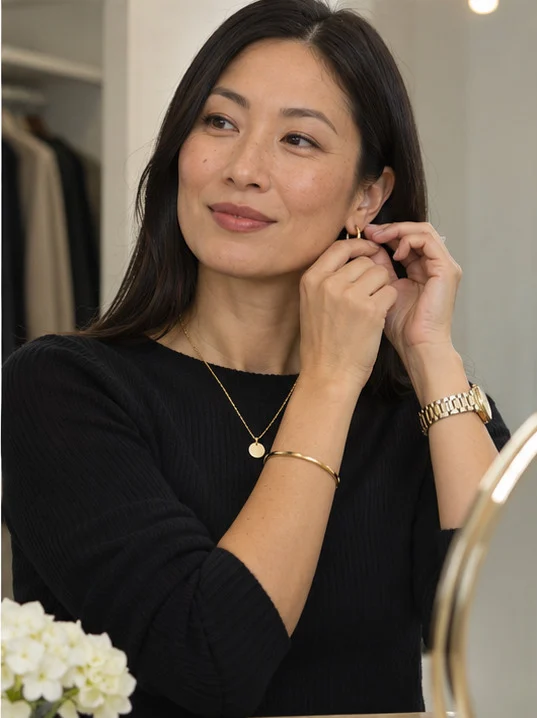
A small repeatable set can make daily outfits feel finished without looking busy.
Good fit and garment care are doing most of the work here, which is why the result does not depend on a designer label. That matters especially with wear simple jewellery consistently.
12. Match Hardware When It Is Easy
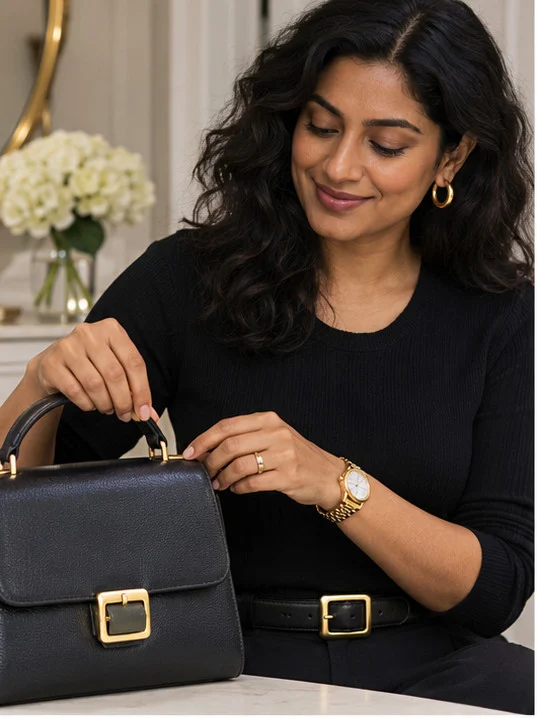
You do not need perfect coordination, but repeating one metal can make accessories feel connected.
Compare the fabric in daylight and inspect seams, buttons and hems before deciding it is a bargain. That matters especially with match hardware when it is easy.
13. Use One Strong Outer Layer

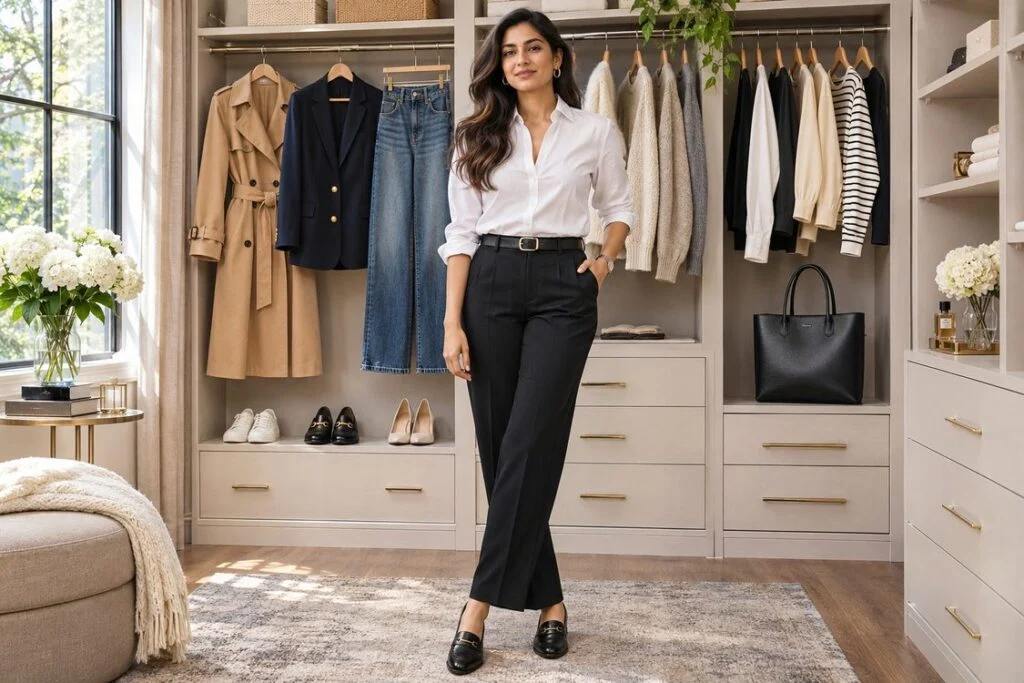
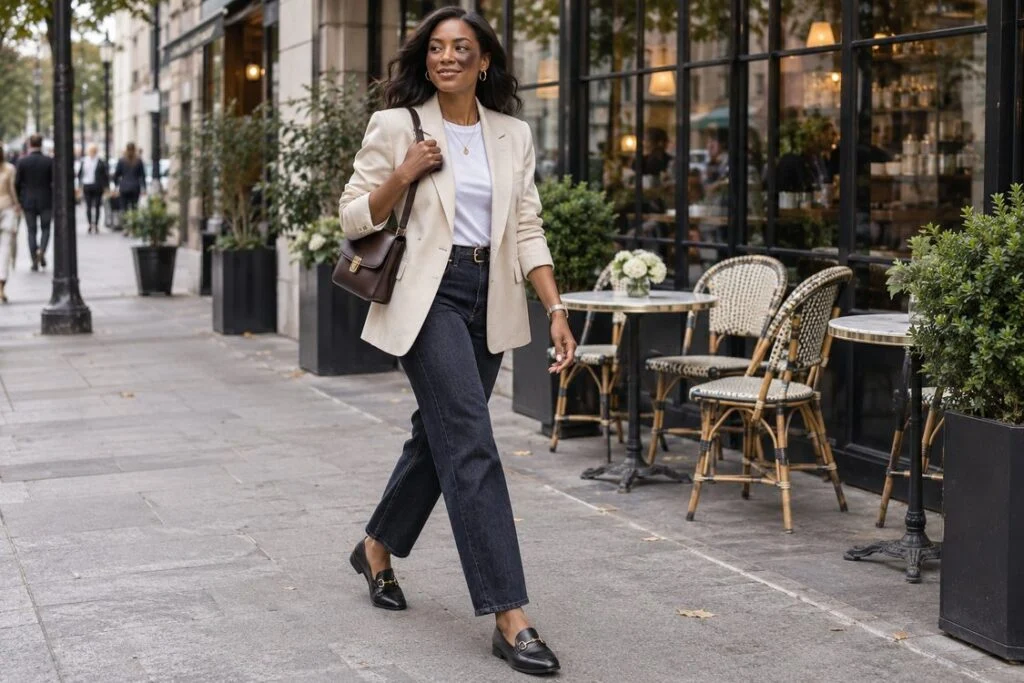
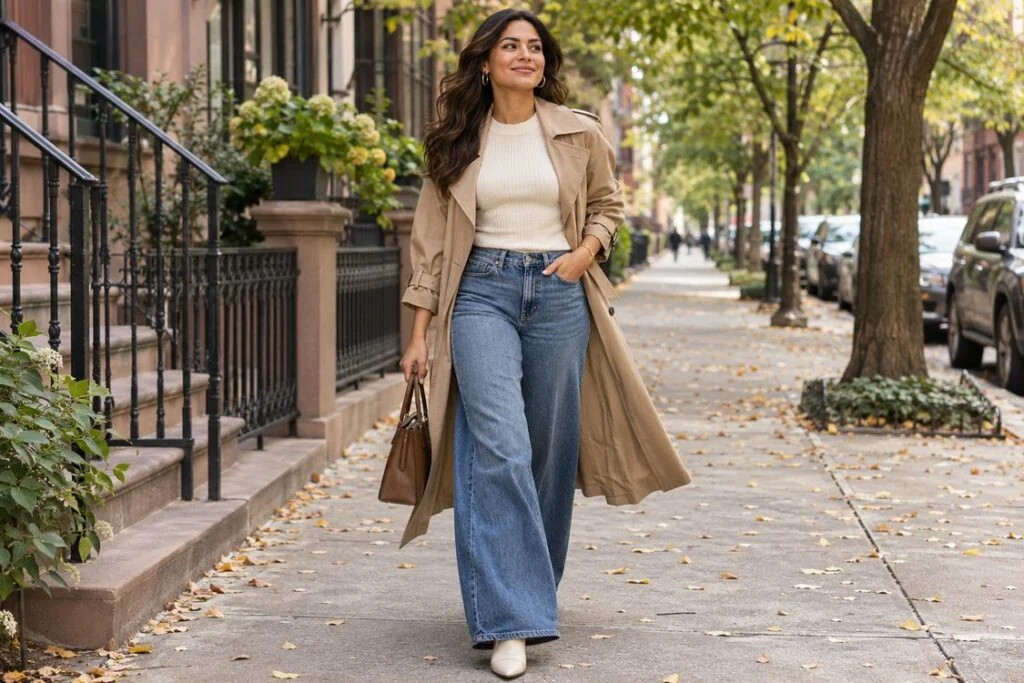
A neat trench, wool coat or blazer gives inexpensive basics a clear frame.
Spend where wear will be highest, and save on trend-led extras that may only appear a few times. That matters especially with use one strong outer layer.
14. Shop Second-Hand for Better Materials
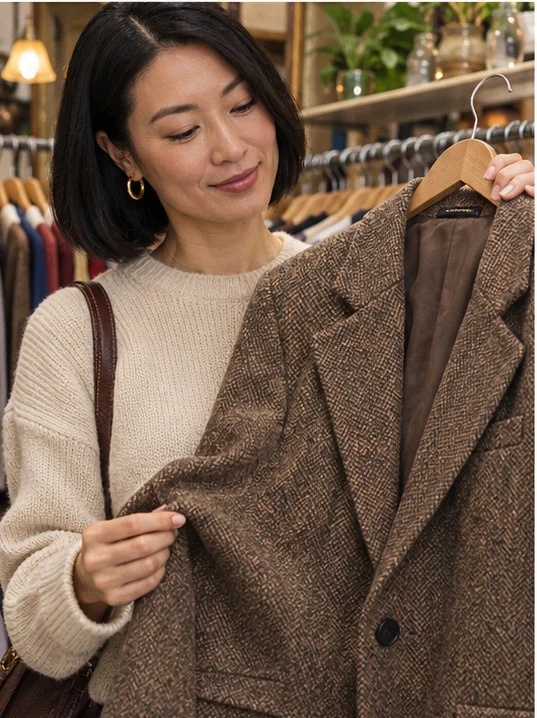
Inspect seams, lining, odour and wear, then budget for cleaning or alterations.
A small alteration can make an inexpensive piece look considered; budget for that before another impulse purchase. That matters especially with shop second-hand for better materials.
15. Buy Less and Repeat Better

A familiar outfit worn confidently and maintained well looks more considered than constant novelty.
Restraint helps: one clean focal point usually reads more refined than several competing details. That matters especially with buy less and repeat better.
Frequently asked questions
What colours look expensive?
No colour guarantees a luxury look. Tonal neutrals are easy to style, but deep blue, burgundy, forest green and well-balanced brights can look equally refined.
What should I spend money on first?
Start with alterations, comfortable shoes and outerwear you wear frequently. Cost per wear matters more than category rules.
Can inexpensive clothes look polished?
Yes, if the fabric, fit, condition and styling work for you. Remove wrinkles and pilling, and avoid details that look damaged.
Do logos make an outfit look expensive?
Not necessarily. A quiet outfit with good proportions and cared-for accessories often feels more refined.