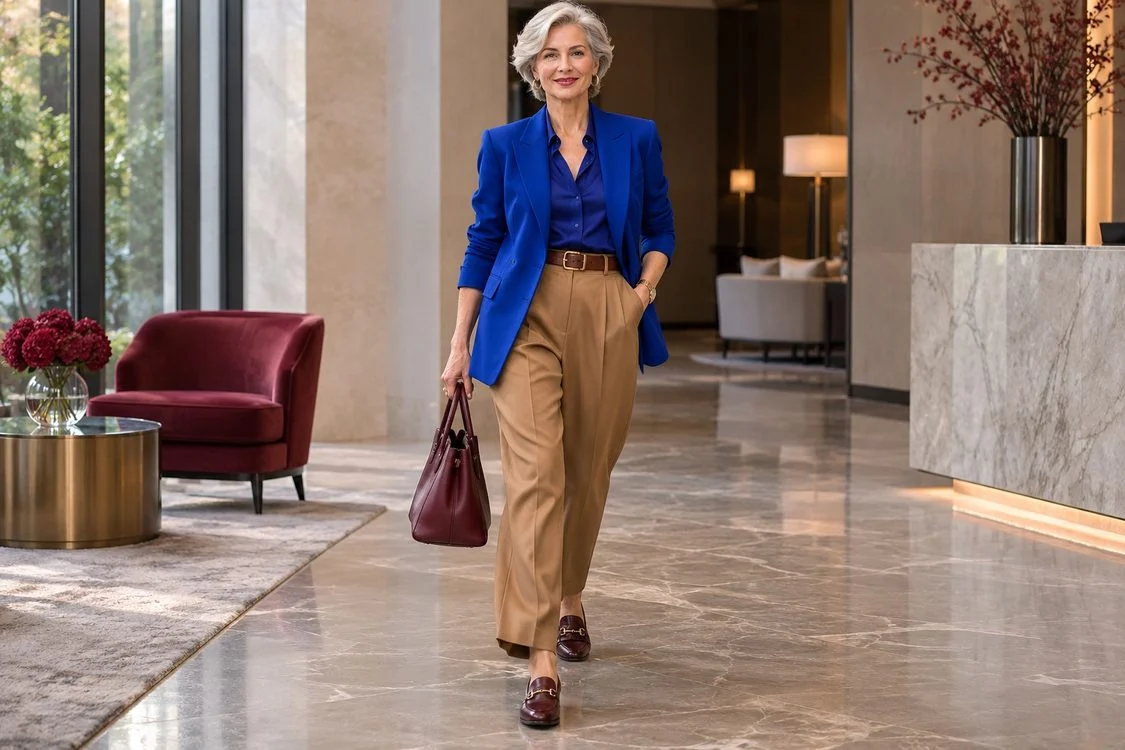
Use 20 stylish colour combinations for women's outfits, from easy neutrals to richer contrasts you can adapt to your wardrobe.
Quick answer
A successful colour combination usually has a clear lead colour and one or two supporting shades. Repeat a colour in a small accessory, vary the texture, and judge the combination in daylight before deciding it does not work.
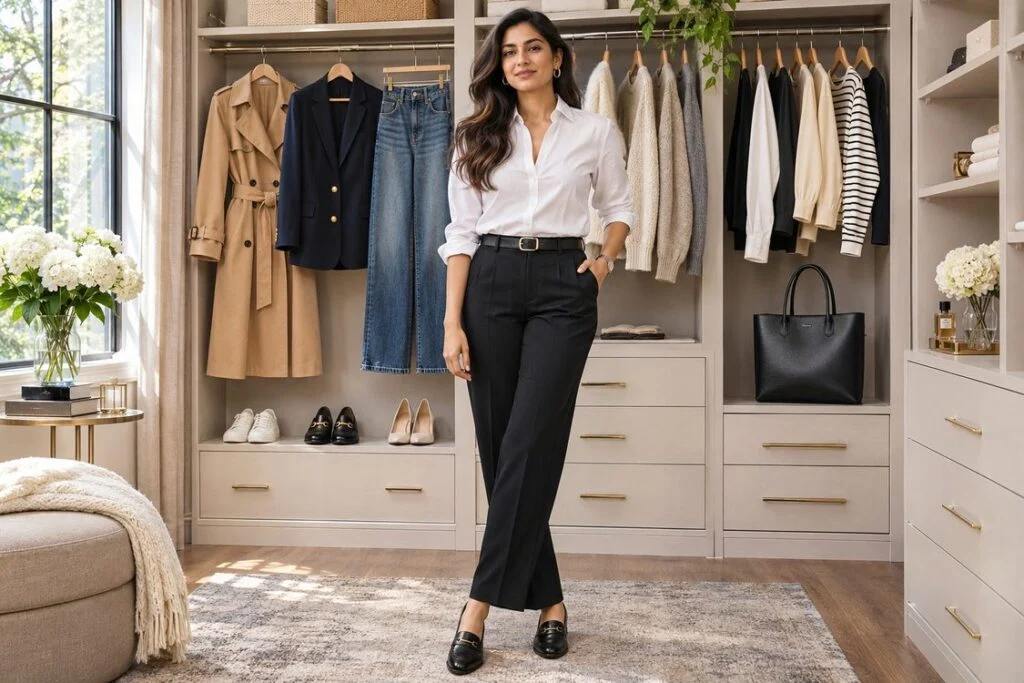
1. Navy and Camel

Use navy as the base and camel in a coat, trouser or bag for a warm classic contrast.
Use the larger garment for the quieter colour and let the brighter shade appear in a smaller area if you are easing into the pairing. That matters especially with navy and camel.
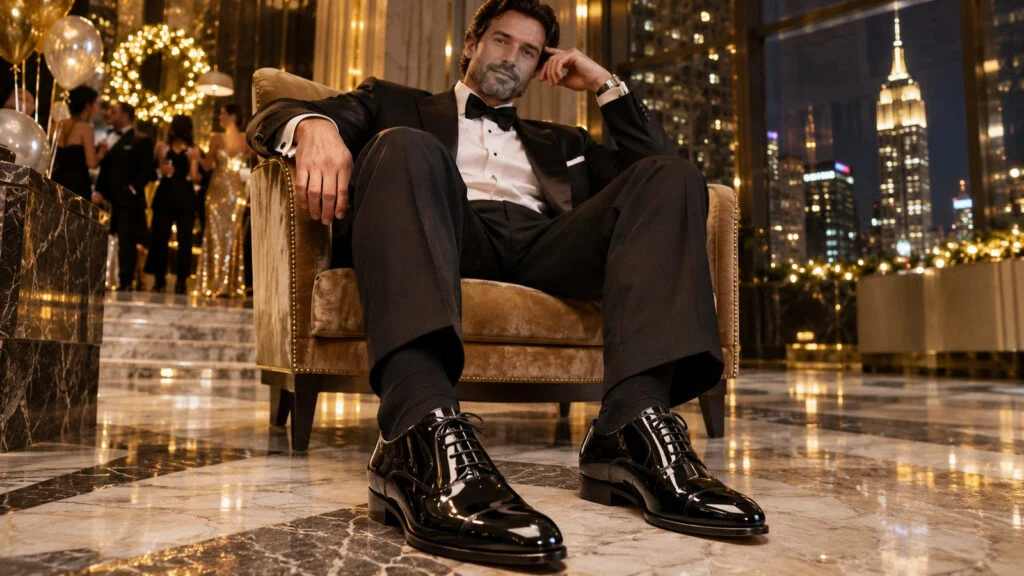
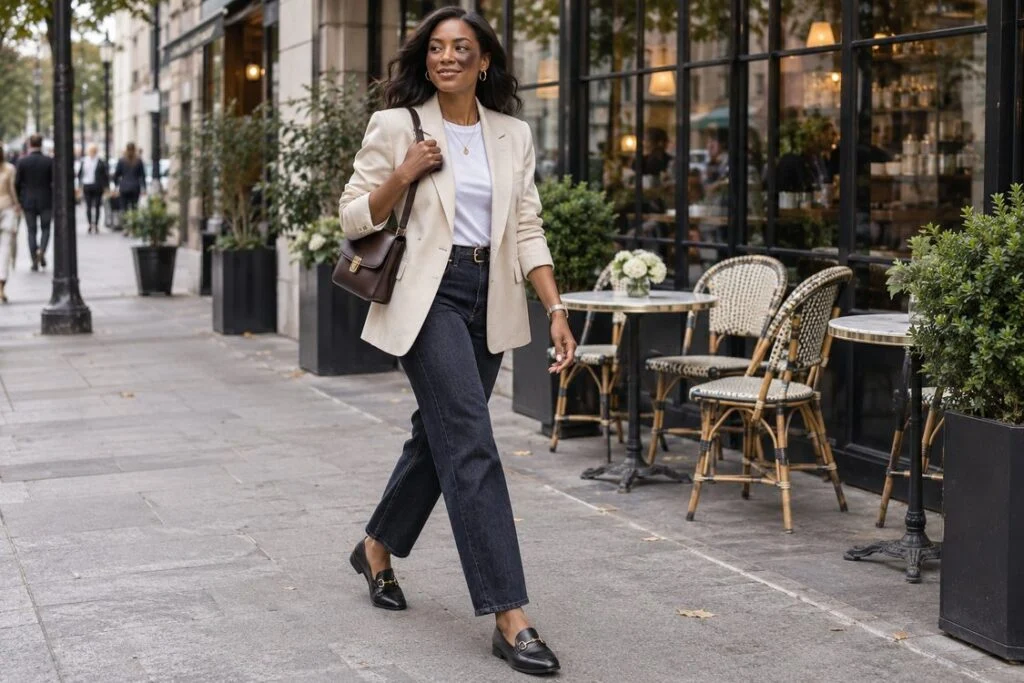
2. Black and Cream
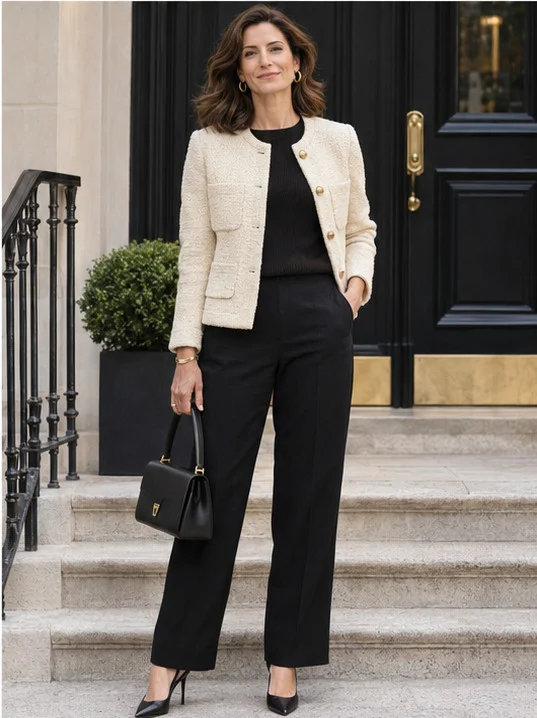
Cream softens black while preserving a clean, high-contrast outfit.
Repeat one colour once—in a shoe, bag or layer—so the combination feels intentional rather than accidental. That matters especially with black and cream.
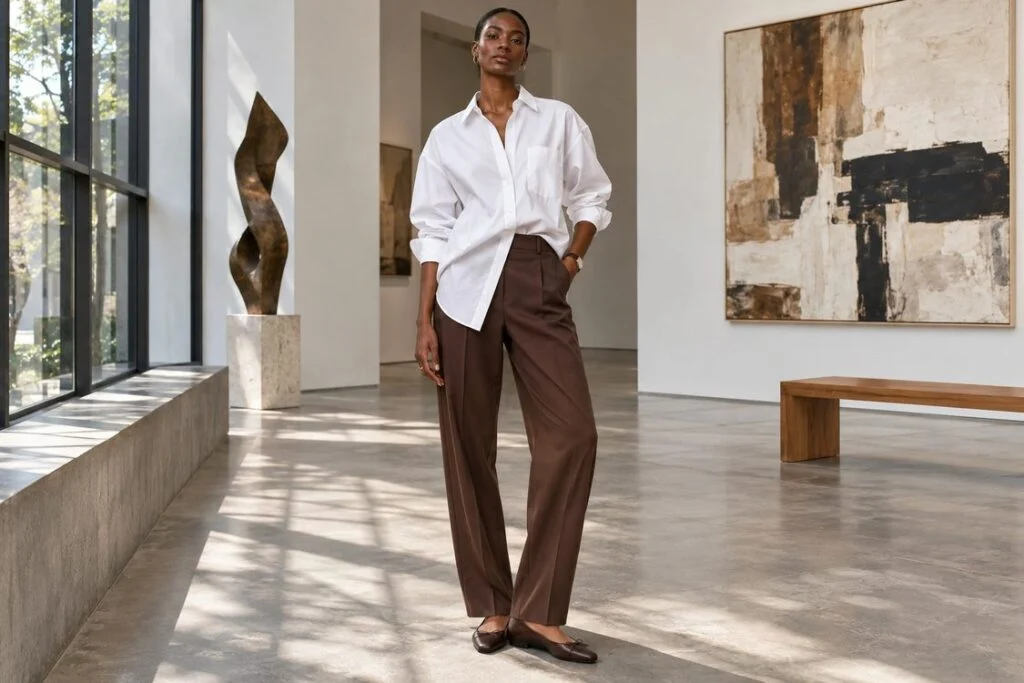
3. Chocolate Brown and Ivory
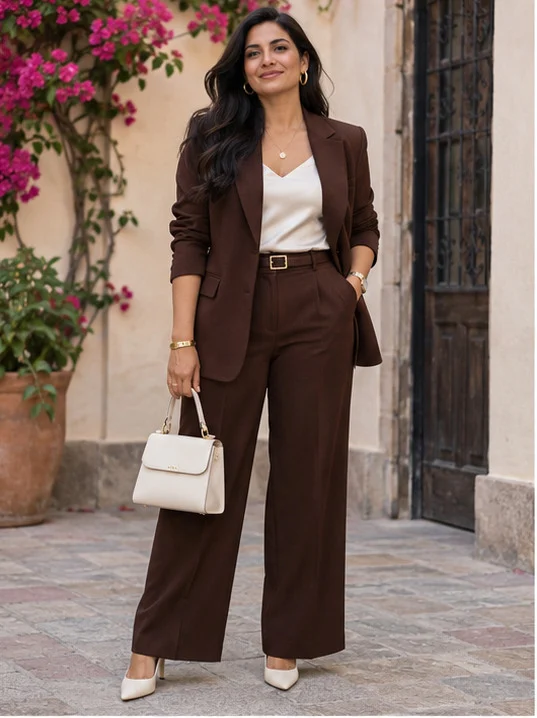
This warmer alternative to black and white works especially well in knitwear and tailoring.
Texture can soften a strong contrast; knit, suede, denim and silk all change how the same two colours read. That matters especially with chocolate brown and ivory.
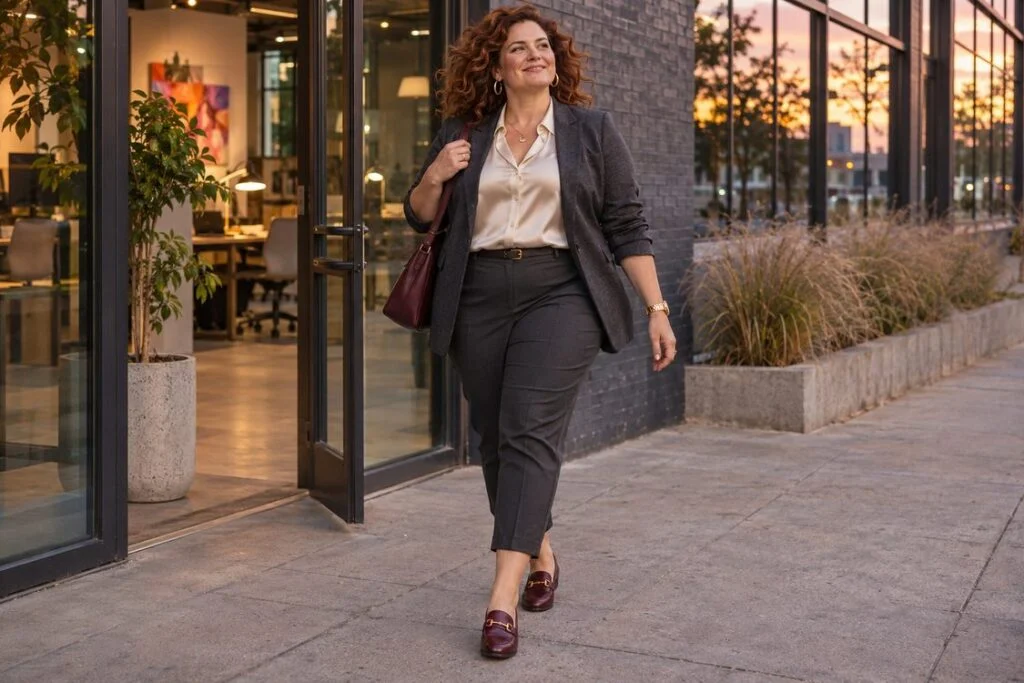
4. Charcoal and Blush Pink

A muted pink lifts grey without making the outfit feel sugary.
Photograph the outfit in daylight, because indoor bulbs can distort undertones and make a good pairing look wrong. That matters especially with charcoal and blush pink.
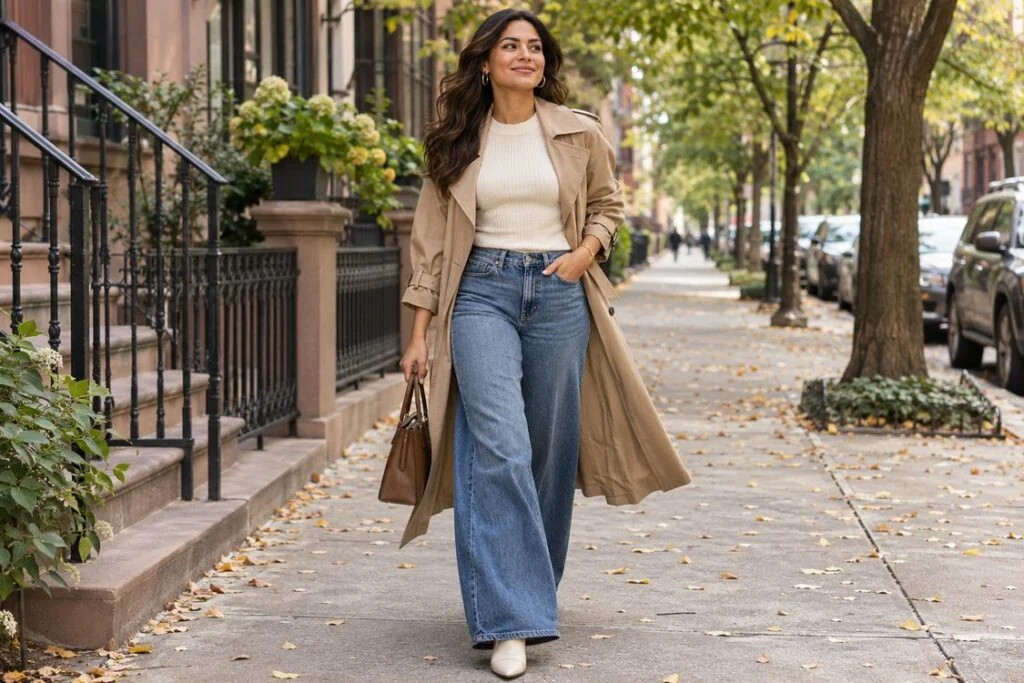
5. White and Denim Blue

Vary the denim wash and use tan, black or metallic accessories to finish the look.
If both colours are bold, keep jewellery and print simple so the palette remains the main idea. That matters especially with white and denim blue.
6. Olive and Ecru

Natural, softened shades make this combination easy for utility pieces and summer fabrics.
Use the larger garment for the quieter colour and let the brighter shade appear in a smaller area if you are easing into the pairing. That matters especially with olive and ecru.
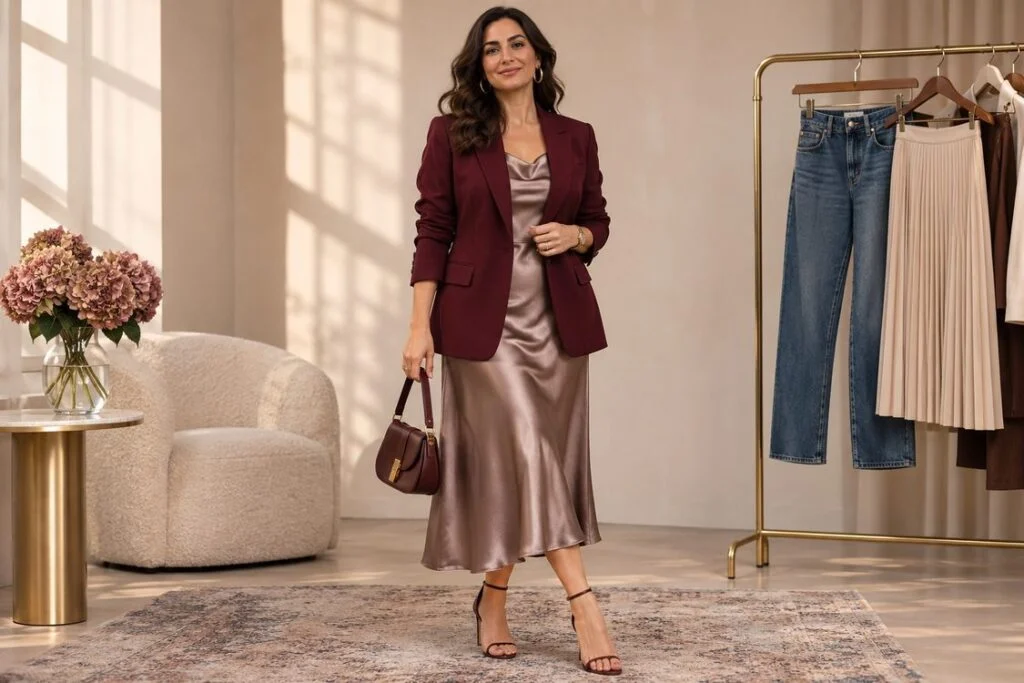
7. Burgundy and Camel
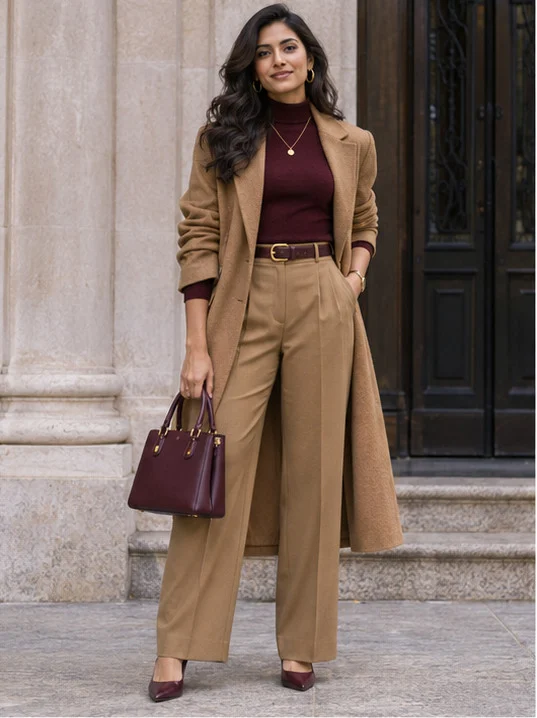
Deep red gives camel more richness, especially in autumn layers and leather accessories.
Repeat one colour once—in a shoe, bag or layer—so the combination feels intentional rather than accidental. That matters especially with burgundy and camel.
8. Navy and Burgundy

Keep one shade dominant and use the other in a knit, shoe or bag.
Texture can soften a strong contrast; knit, suede, denim and silk all change how the same two colours read. That matters especially with navy and burgundy.
9. Cobalt Blue and Camel

Strong blue feels wearable when grounded by a familiar warm neutral.
Photograph the outfit in daylight, because indoor bulbs can distort undertones and make a good pairing look wrong. That matters especially with cobalt blue and camel.
10. Forest Green and Black

Mix matte and shiny textures so the two deep shades do not merge.
If both colours are bold, keep jewellery and print simple so the palette remains the main idea. That matters especially with forest green and black.
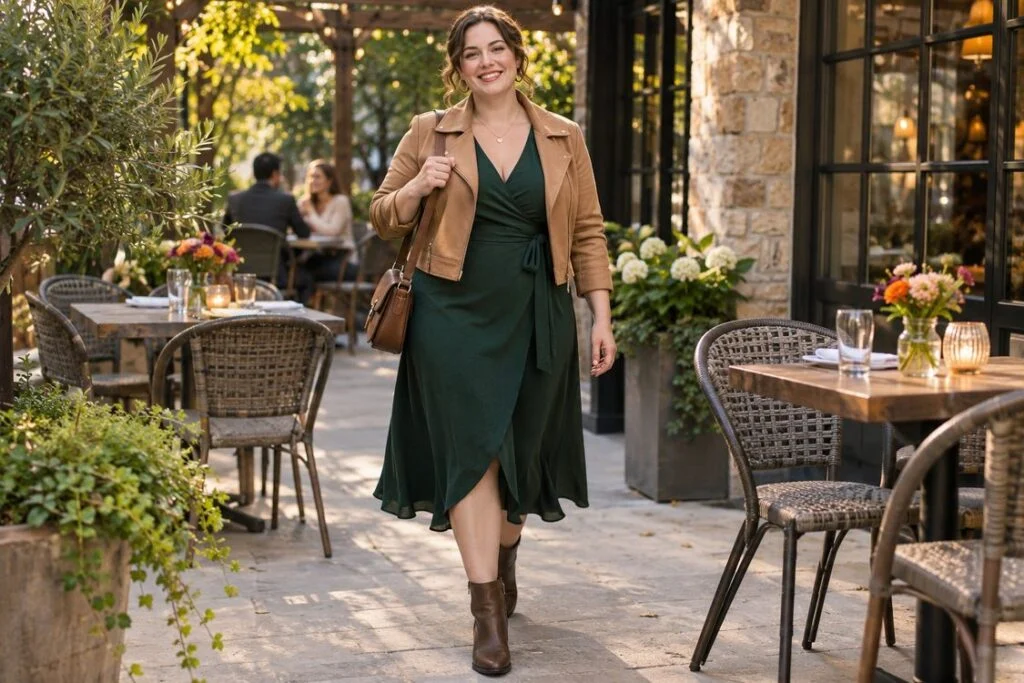
11. Emerald and Chocolate Brown
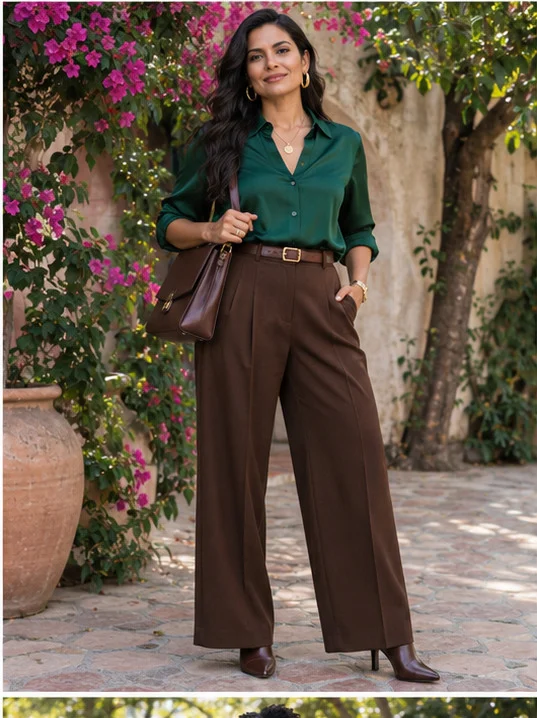
The jewel tone adds energy while brown keeps the result sophisticated.
Use the larger garment for the quieter colour and let the brighter shade appear in a smaller area if you are easing into the pairing. That matters especially with emerald and chocolate brown.
12. Red and Pale Blue
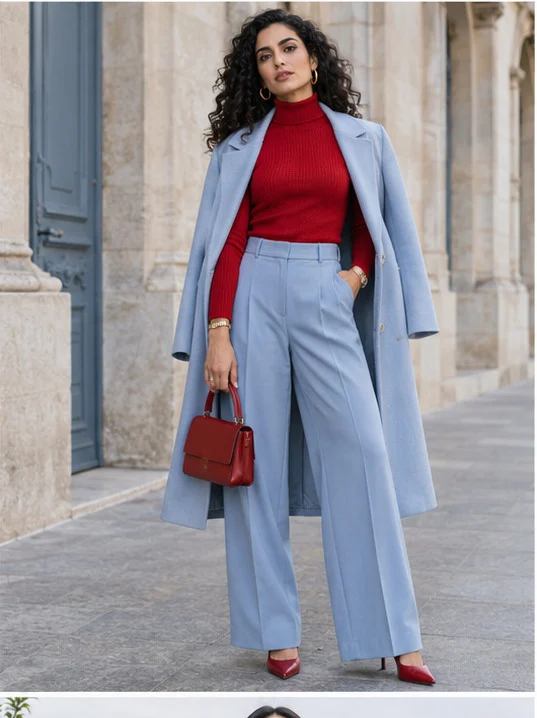
Use crisp blue denim or shirting to make red feel fresh rather than formal.
Repeat one colour once—in a shoe, bag or layer—so the combination feels intentional rather than accidental. That matters especially with red and pale blue.
13. Pink and Red

Choose neighbouring warm or cool versions so the contrast feels deliberate.
Texture can soften a strong contrast; knit, suede, denim and silk all change how the same two colours read. That matters especially with pink and red.
14. Lilac and Grey
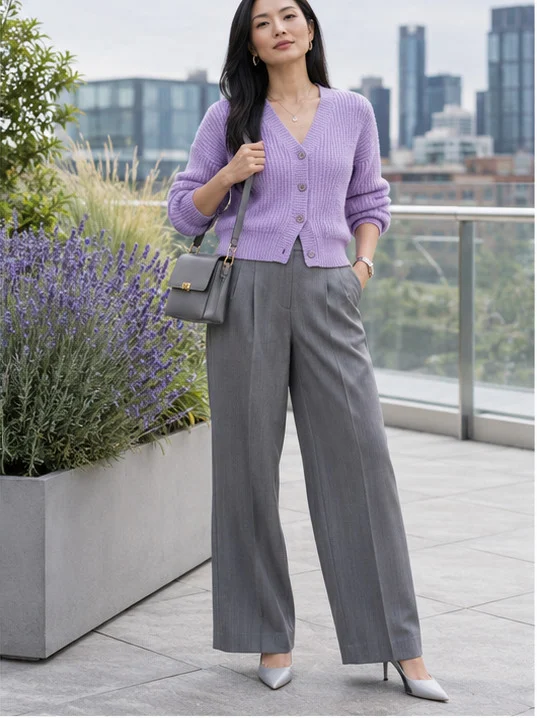
Cool grey provides a quiet base for soft purple knitwear or accessories.
Photograph the outfit in daylight, because indoor bulbs can distort undertones and make a good pairing look wrong. That matters especially with lilac and grey.
15. Mustard and Navy
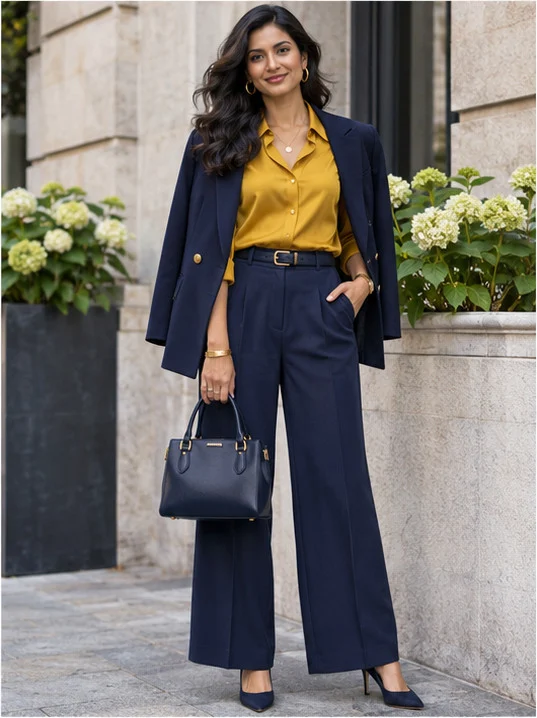
Navy absorbs the intensity of mustard and works well in coats, trousers and denim.
If both colours are bold, keep jewellery and print simple so the palette remains the main idea. That matters especially with mustard and navy.
16. Teal and Rust

These rich opposing tones look best when one appears in a smaller amount.
Use the larger garment for the quieter colour and let the brighter shade appear in a smaller area if you are easing into the pairing. That matters especially with teal and rust.
17. Powder Blue and Chocolate
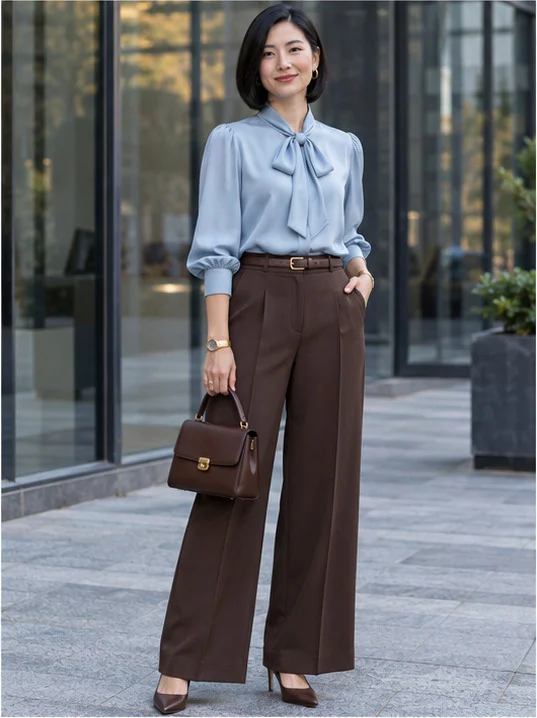
Light blue brings clarity to dark brown tailoring and leather.
Repeat one colour once—in a shoe, bag or layer—so the combination feels intentional rather than accidental. That matters especially with powder blue and chocolate.
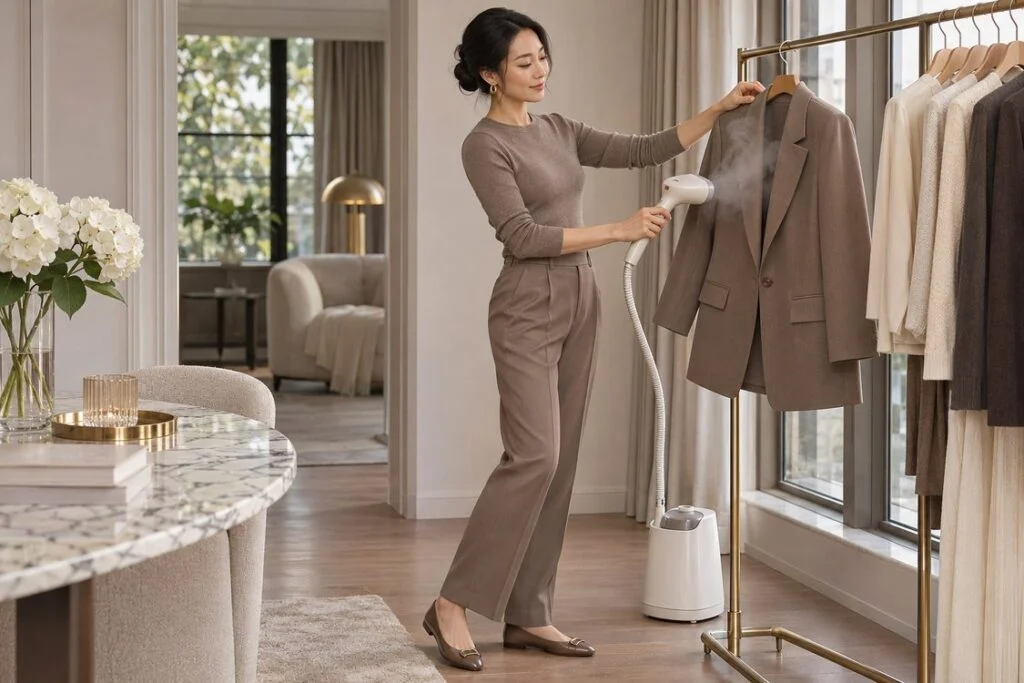
18. Monochrome Beige and Taupe

Use several tones and textures rather than trying to match every item exactly.
Texture can soften a strong contrast; knit, suede, denim and silk all change how the same two colours read. That matters especially with monochrome beige and taupe.
19. Black White and One Bright Accent
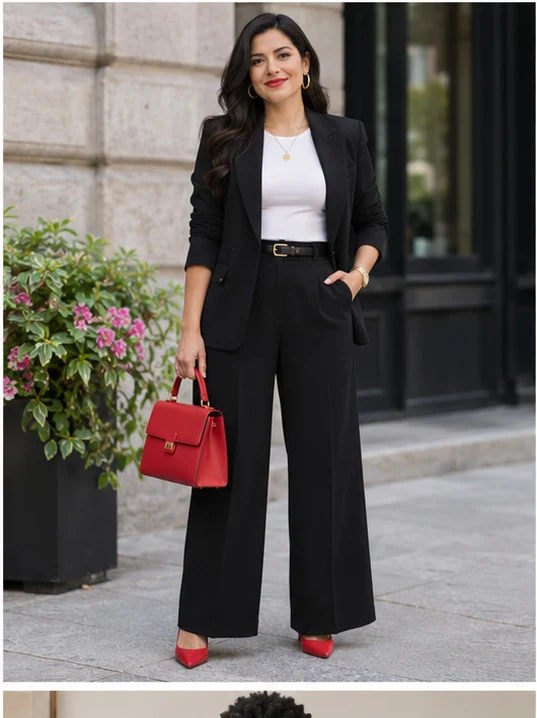
A shoe, bag or knit in one strong colour keeps the graphic base controlled.
Photograph the outfit in daylight, because indoor bulbs can distort undertones and make a good pairing look wrong. That matters especially with black white and one bright accent.
20. Denim Blue and Almost Any Neutral

Treat denim as a colour and match its wash to black, cream, grey, camel or brown.
If both colours are bold, keep jewellery and print simple so the palette remains the main idea. That matters especially with denim blue and almost any neutral.
Frequently asked questions
How many colours should an outfit have?
Two or three is an easy starting point, but there is no fixed maximum if the colours repeat or share a clear relationship.
Do shoes and bags need to match?
No. They can coordinate through colour temperature, material or formality instead of being identical.
What is the easiest colour combination for beginners?
Start with one neutral base and add one colour you already enjoy wearing.
How can I test a colour combination?
Place the pieces together in daylight, photograph the outfit and check the balance from a distance.